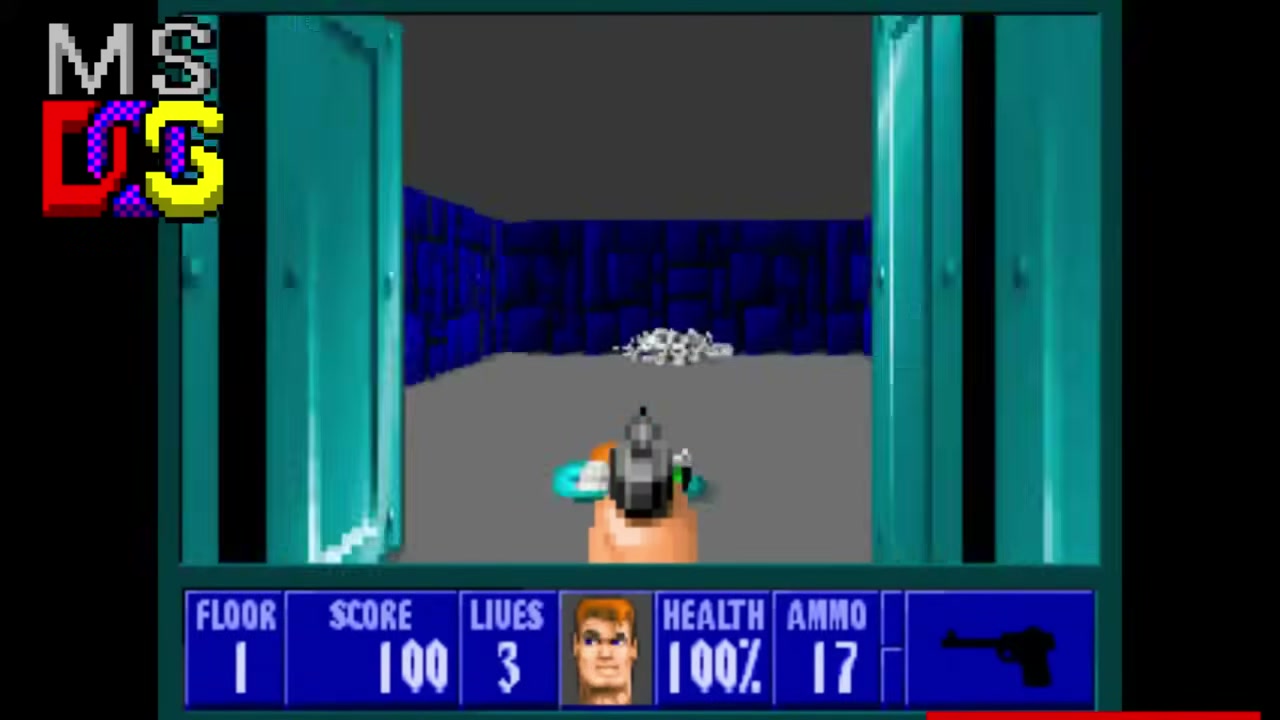
The video "11 NES Platformers That Are ABSOLUTELY PERFECT!" is basically a tour through how 8-bit developers solved the same problem 11 different ways: make movement feel good on brutally limited hardware. As the narration jumps from Getsu Fuma Den to Wacky Races, one pattern keeps repeating: when a game gives you clear movement rules, readable enemy behavior, and a reliable risk/reward loop, it survives decades of muscle-memory comparison.
Precision First, Then Personality
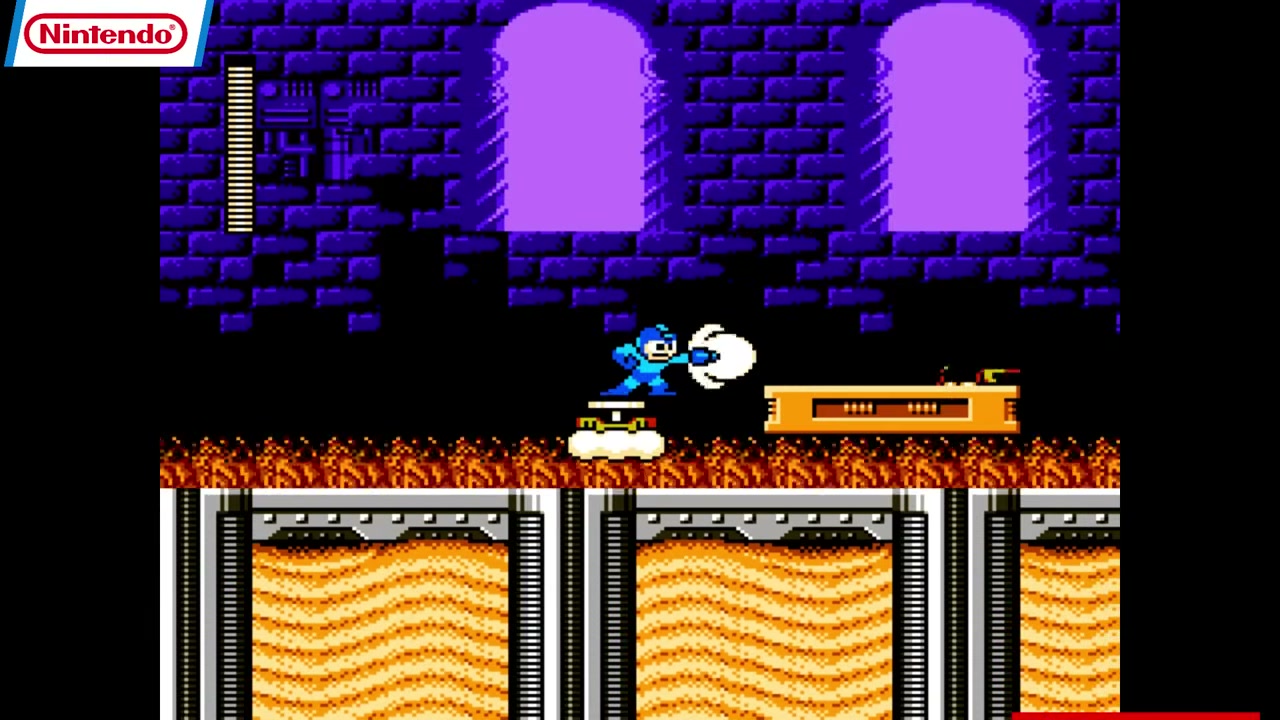
The source repeatedly highlights games where movement rules are strict but legible. Castlevania gets called out for its committed jump arc and punishing knockback; Ninja Gaiden gets framed as a reflex grinder with respawning enemies and pit-heavy punishment; Mega Man 6 is positioned as the polished midpoint, where stage routing and weapon choice become the skill test. Different tone, same core truth: platformers age well when the player can predict outcomes and blame execution, not randomness.
That is also why DuckTales and Kirby's Adventure still feel modern. The video emphasizes one defining verb in each game, Scrooge's pogo cane and Kirby's copy ability, then shows how level layouts are built around those verbs. Good NES design rarely needed huge move lists. It needed one strong interaction model, repeated in smarter contexts.
The "Perfect" Label Is Really About System Coherence
Calling all 11 entries "perfect" is obviously a little spicy, and the narration itself quietly admits cracks: Wacky Races gets praised for sprite work but criticized for shallow structure, and Kickmaster gets credit for kick-based progression while acknowledging stiffness and hit-detection issues. That tension is useful. It shows that players forgive rough edges when the broader system has internal logic.
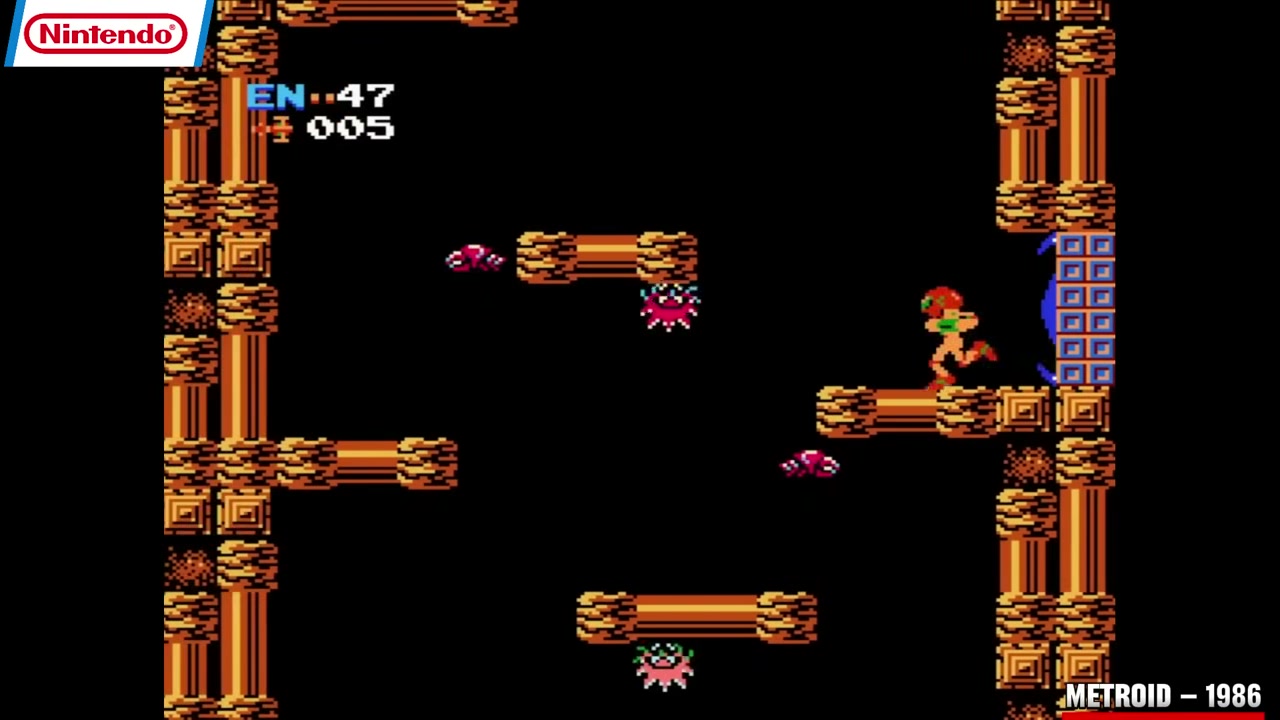
As presented in the video, Metroid is the clearest example of coherence over comfort. No hand-holding, sparse guidance, and deliberate backtracking can feel hostile on first contact, but the world structure teaches through gates, ability locks, and route revision. The game is "fair" only if you read space as information. That design philosophy later became an entire genre vocabulary.
Late-NES Visual Ambition Was a Gameplay Argument
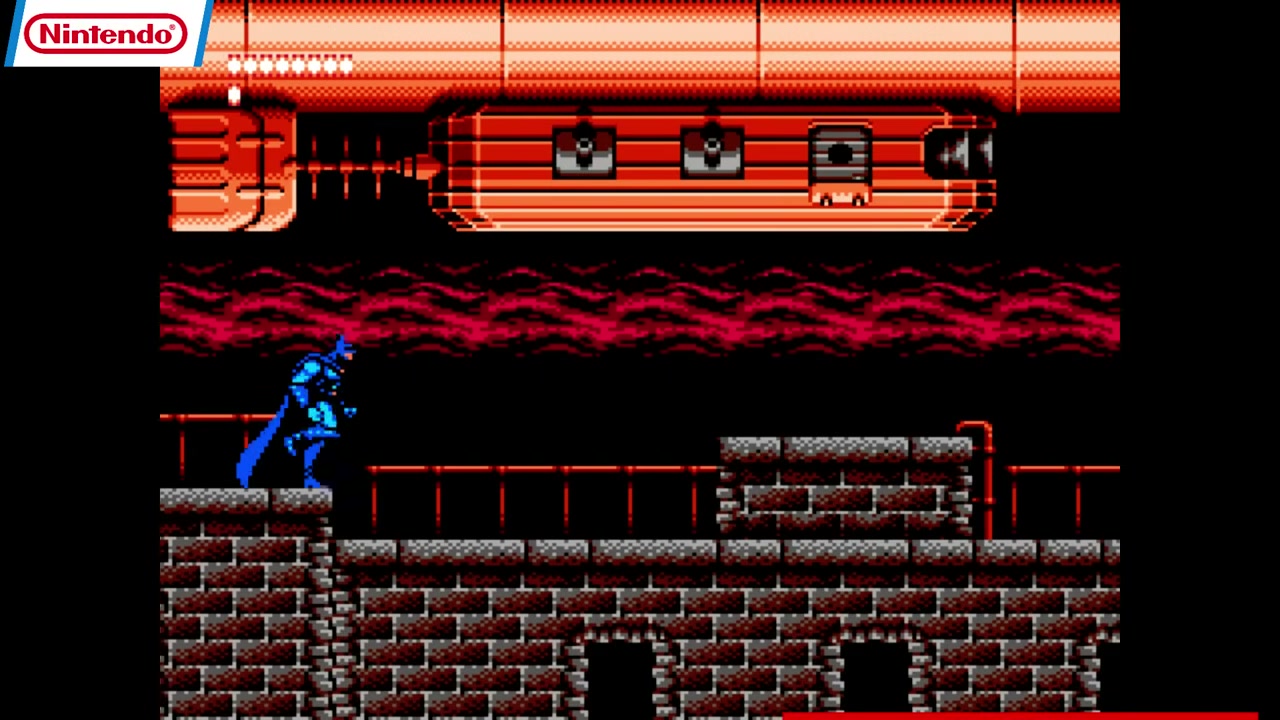
One of the stronger claims in the video is about late-cycle visual confidence. Batman: Return of the Joker, Kirby's Adventure, and Felix the Cat are described as games pushing sprite scale, color density, and animation smoothness to the point people remember them as "almost 16-bit." That matters beyond nostalgia. On NES, visual clarity is gameplay infrastructure: enemy silhouettes, projectile contrast, and animation timing windows are your UI.
When that clarity drops, difficulty feels cheap. When it holds, hard games feel honest. That is why players still replay brutally demanding sets like Ninja Gaiden and Castlevania while bouncing off newer games with technically better graphics but weaker readability discipline.
The best takeaway from this 11-game lineup is not "old games were harder." It is that NES-era teams treated mechanics, level geometry, and rendering constraints as one design problem. Cartridge space, CPU budget, and controller input were all pulling on the same rope. When that rope stayed tight, you got platformers that still feel clean in 2026.
Revisit NES platformers with a clean setup
For system setup, use play NES games online. If you want a broader starting list, pair this design breakdown with 21 best NES games of all time, then use play retro games online when you want one library for multiple classic systems.
Rebit fits this kind of mechanical comparison because it keeps your legally owned NES files, saves, and sessions in one browser library. It does not provide ROM downloads, so start from games you already own and use the platform for cleaner practice.