Renkai Games' new GBA video is framed around 12 games that still look wild after 20 years, but the real fun is not just the screenshots. It is the way these games cheat. The Game Boy Advance had a small screen, no backlight on the original model, limited buttons, and cartridges that made every extra animation, battle effect, or chunk of dialogue matter. Yet the video keeps landing on games that feel bigger than their hardware because they pick one design trick and squeeze it until the cartridge squeals.
That is the proper lens for this list. Golden Sun is not impressive only because its summons look expensive. Metroid Fusion is not memorable only because Samus animates beautifully. The Minish Cap is not gorgeous only because Capcom knew how to draw grass and rooftops. These games use presentation as system design: clarity, pressure, rhythm, and scale, all forced through a handheld that had no business carrying this much personality.
The GBA Was a Constraint Machine
The video's opening name-checks the GBA's greatest party tricks: solar sensors, rumble cartridges, huge sprites, fake 3D effects, and massive RPG systems. That sounds like a feature list, but the better read is that developers were constantly negotiating with the machine.
The GBA could do beautiful 2D, but beauty had to survive a low-resolution display. It could push busy effects, but they still had to be readable in motion. It could host RPG systems, but menus and combat feedback had to work on a screen you might have been squinting at in the back seat of a car. The best GBA games were not "console experiences, but smaller." They were compression engines.
That is why the list's variety matters. A puzzle-platformer, a Japan-only RPG, a ninja action game, a farming sim, an isometric sci-fi shooter, a card-based Kingdom Hearts sequel, and a Zelda made of tiny-world gags all sit together because they solve the same hardware problem from different angles: how do you make a small object feel dense?
Klonoa 2 and Minish Cap Turn Level Geometry Into the Spectacle
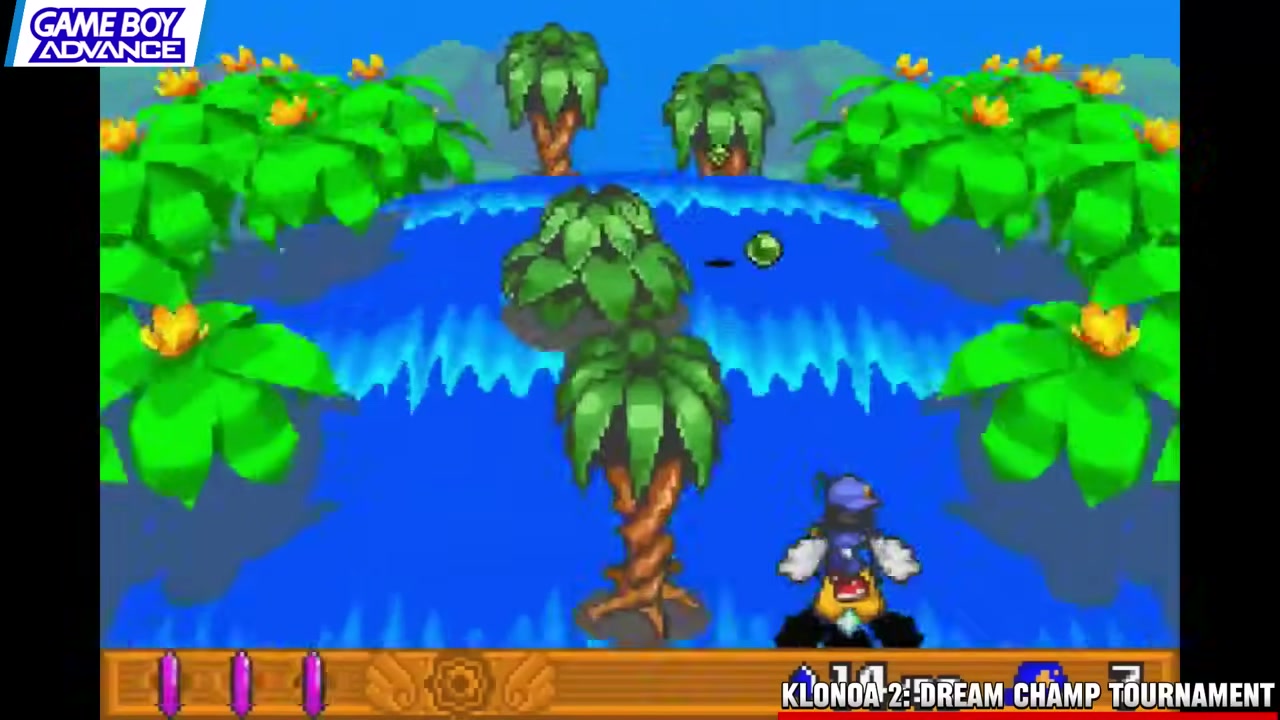
The video starts its list with Klonoa 2: Dream Champ Tournament, and that is sneakier than opening with the obvious showpieces. At first glance, it is cute side-scrolling business: run, jump, float, grab enemies with the ring. The good stuff appears once the enemies stop reading as targets and start reading as verbs.
Enemies become double-jump fuel, box breakers, switch activators, and little pieces of stage grammar. Across roughly 50 levels, the video calls out conveyors, spikes, doors, ladders, moving platforms, bonus surfboard stages, forced scrolling, hidden sunstones, rankings, and EX stages. None of that needs the GBA to throw giant polygons at the player. It needs the level designer to make every captured enemy feel like a key you are carrying in your hands.
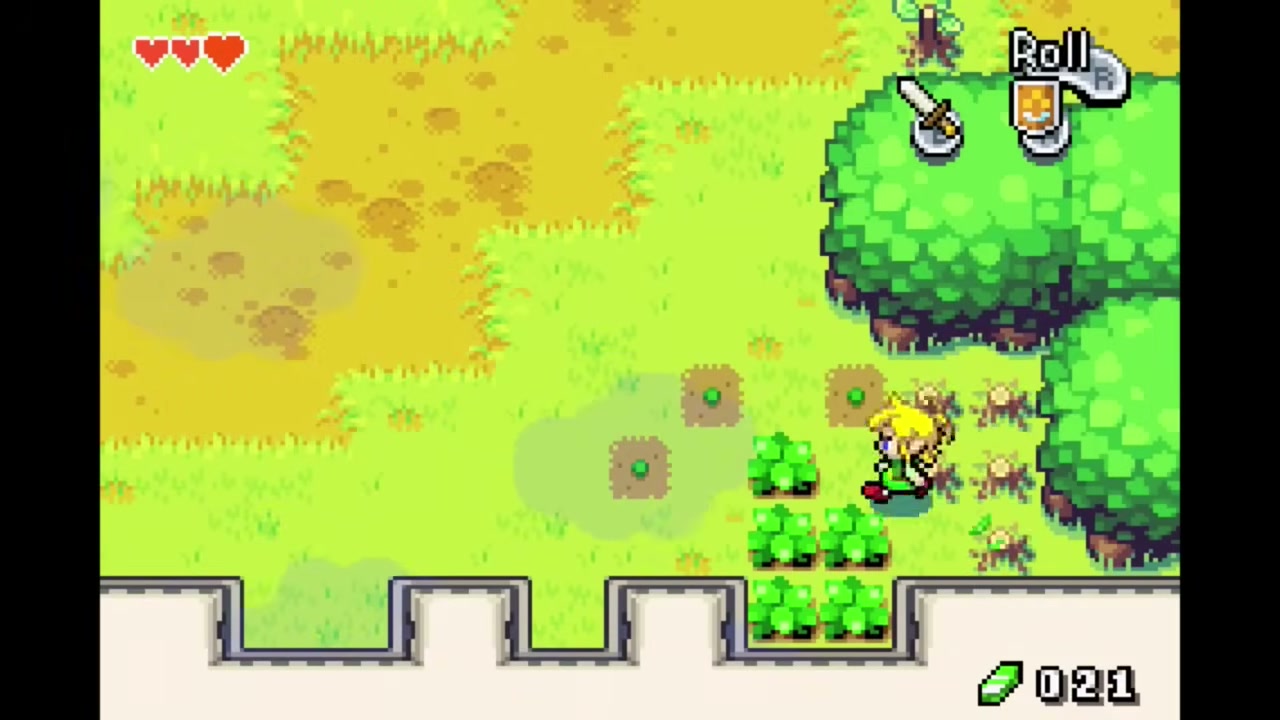
The Legend of Zelda: The Minish Cap pulls the same trick with world scale. Shrinking Link is not just a cute lore gag. It lets the designers reuse familiar spaces at two readings: normal Hyrule as an overworld, tiny Hyrule as a set of massive obstacle courses. Leaves become platforms. Puddles become hazards. Little holes turn into entrances. It is economical and theatrical at the same time, exactly the kind of magic trick handheld design loves.
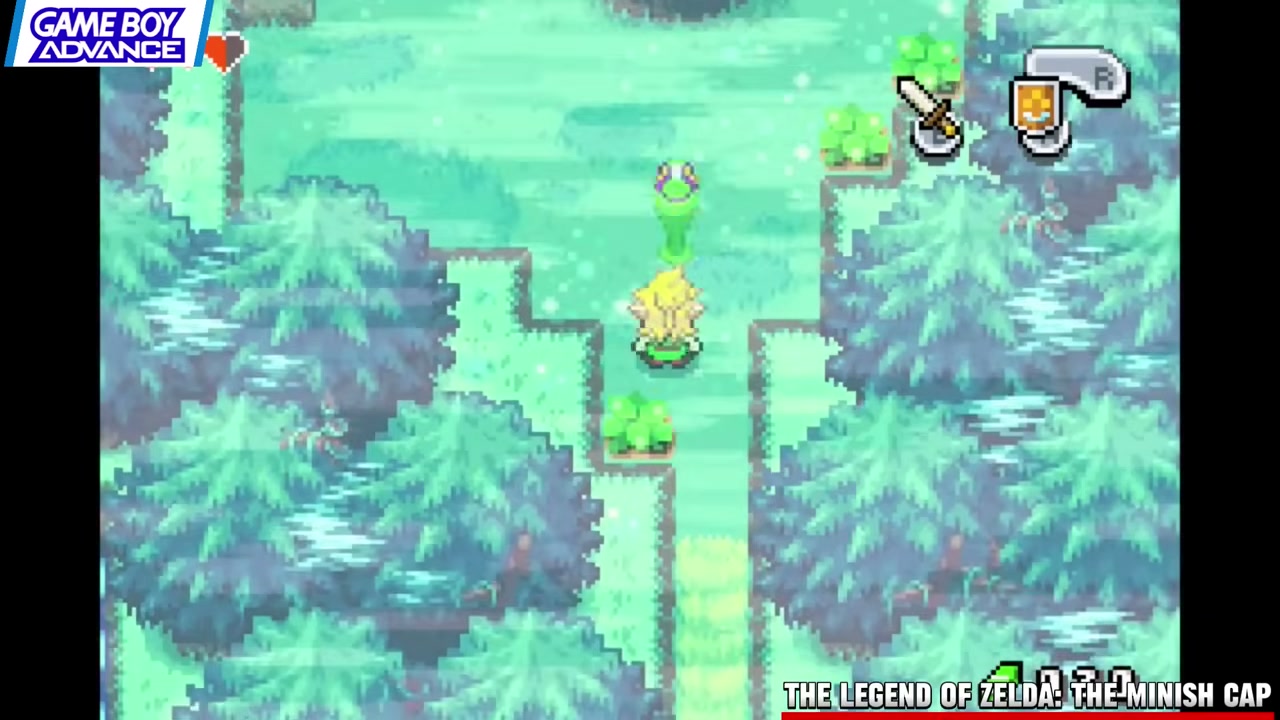
The video also highlights Kinstone Fusion, sword techniques, and items like the Gust Jar, Mole Mitts, and Roc's Cape. That is a lot of stuff, but the important part is how it points the player back into the same map with fresh intent. On a tiny screen, discovery is not about raw square footage. It is about making the same tilemap mean something different after the player earns a new verb.
Golden Sun and Magical Vacation Use Color Like a Hardware Feature
Some GBA games fought the screen. Golden Sun and Magical Vacation understood it.
The Renkai video describes Golden Sun as one of the most ambitious RPGs on the system, originally planned for Nintendo 64 before Camelot reworked it for handheld. That backstory matters because the finished game still feels like it wants to be huge. Battles swing the camera, blow out spell effects, and make summons feel absurdly lavish for a machine people were also using to play quick bus-stop sessions.
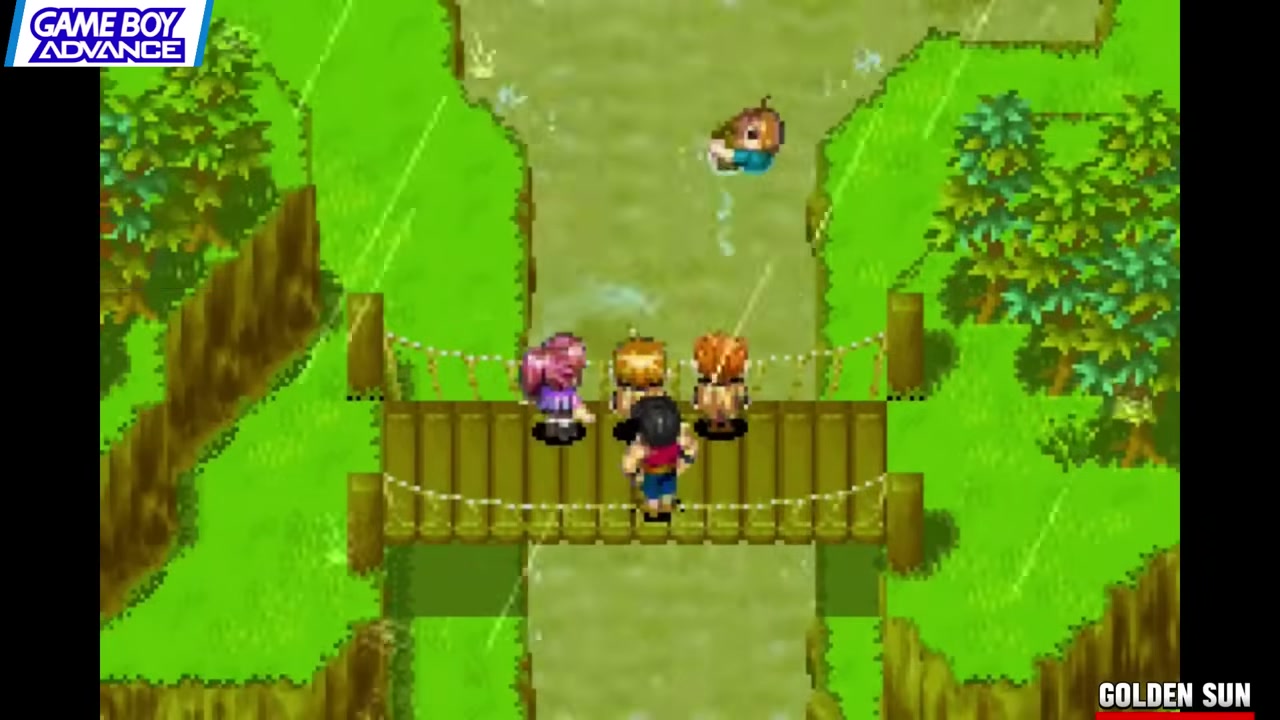
But the smartest part is not the flash. It is the Djinn system. Djinn are collectible, equippable, usable in combat, and relevant to puzzle solving. They alter classes, stats, abilities, and elemental options. That means the game's visual drama is backed by a party-building toybox. You do not just watch the GBA do a big summon and clap like it is a tech demo; you tinker with the loadout that makes those fireworks possible.
Magical Vacation works from the opposite direction. Brownie Brown's Japan-only RPG is described in the video as colorful, painterly, bizarre, and locked behind a few practical barriers: no official English release, one save file, and bonus content tied to the Amigo system. Even so, its appeal is obvious. Six-character parties and 16 magic attributes give the combat a thick rules layer, while the art direction turns every town and region into cartridge candy.
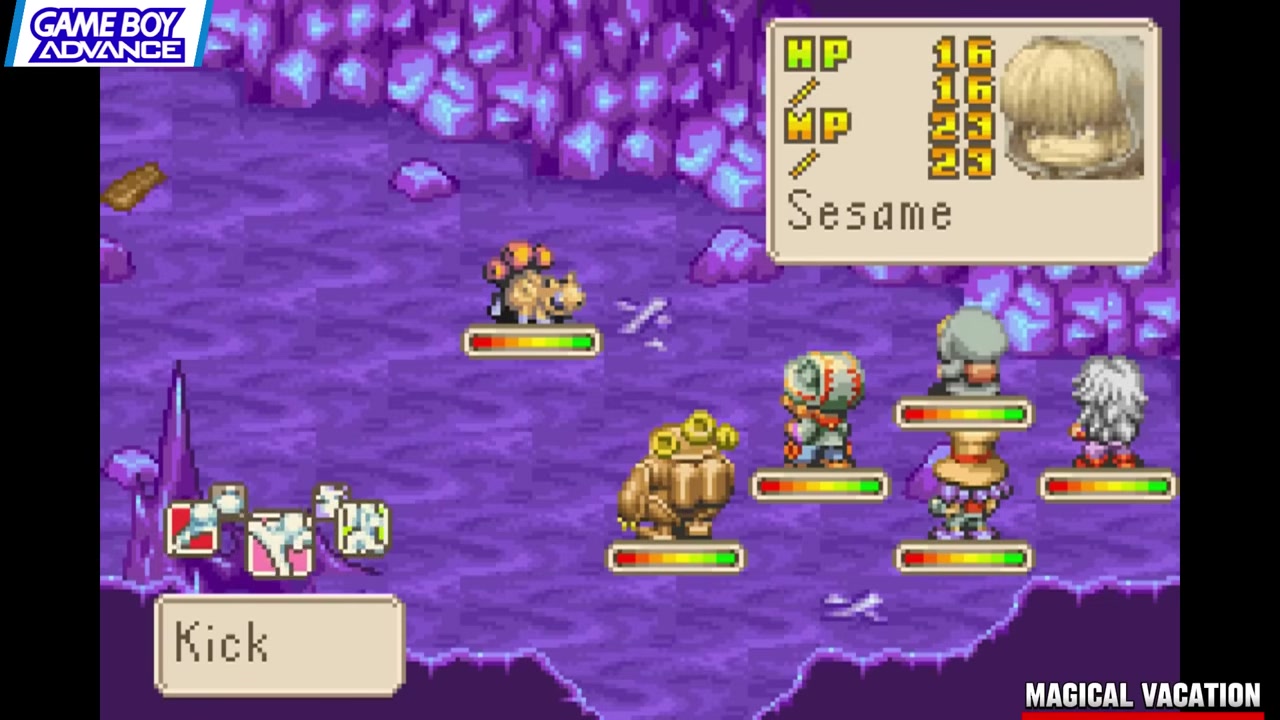
That is the GBA at its best: saturated enough to read on compromised hardware, eccentric enough to make the world feel authored, and system-heavy enough that the prettiness has mechanical weight.
Aria of Sorrow and Mega Man Zero 2 Make Repetition Worth Mastering
The video's Castlevania: Aria of Sorrow segment lands on the right reason that game still gets talked about: the soul system turns enemy repetition into possibility. Every enemy is a slot-machine pull for a new ability. Some souls are attacks, some are movement tools, some are passive stat boosts. That changes the whole texture of a Metroid-style castle. Backtracking is not just "come back later with double jump." It is also "maybe this weird monster has a power that rewires my build."
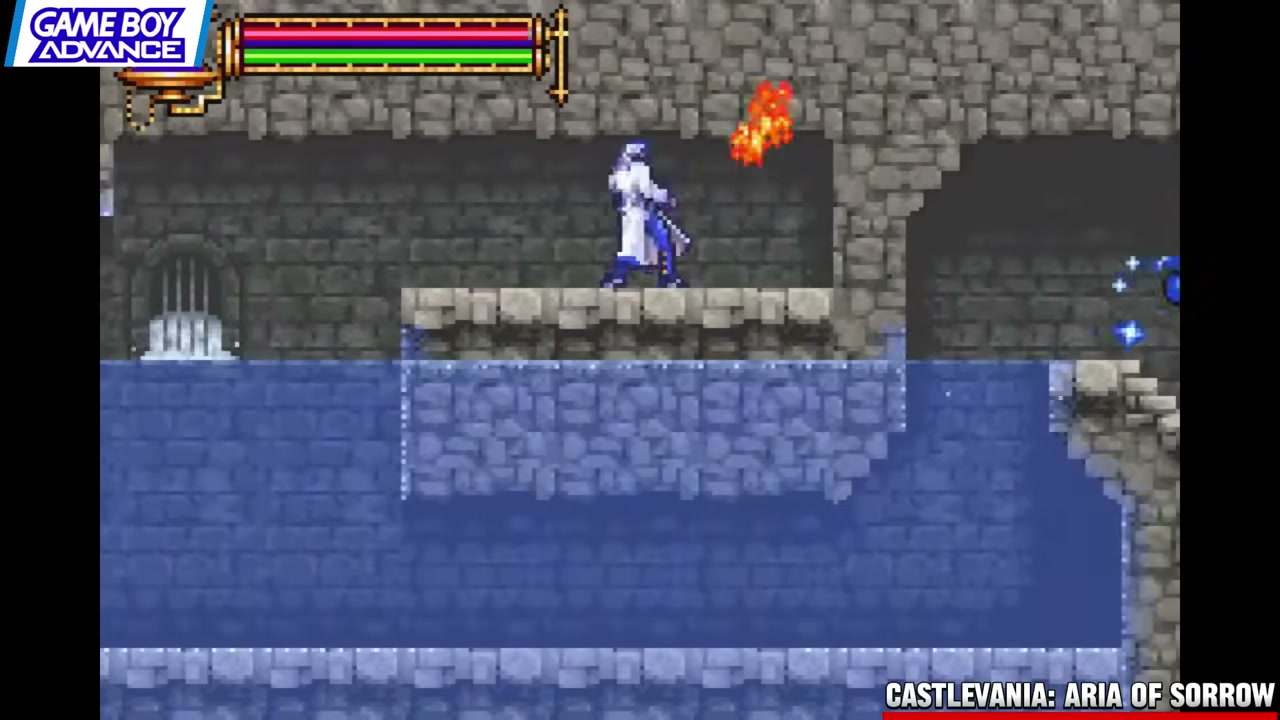
That is a brutal improvement over simple gear accumulation. It lets the game be grindy without feeling empty, because the player is not only chasing numbers. They are chasing behaviors.
Mega Man Zero 2 is less generous and maybe more honest. The video describes it as fast, difficult, precise, and built around dying, learning the stage, memorizing enemy placement, then coming back cleaner. That is 2000s handheld action in its purest form: a tiny screen full of knives, pits, and bosses with attack patterns that do not care about your feelings.
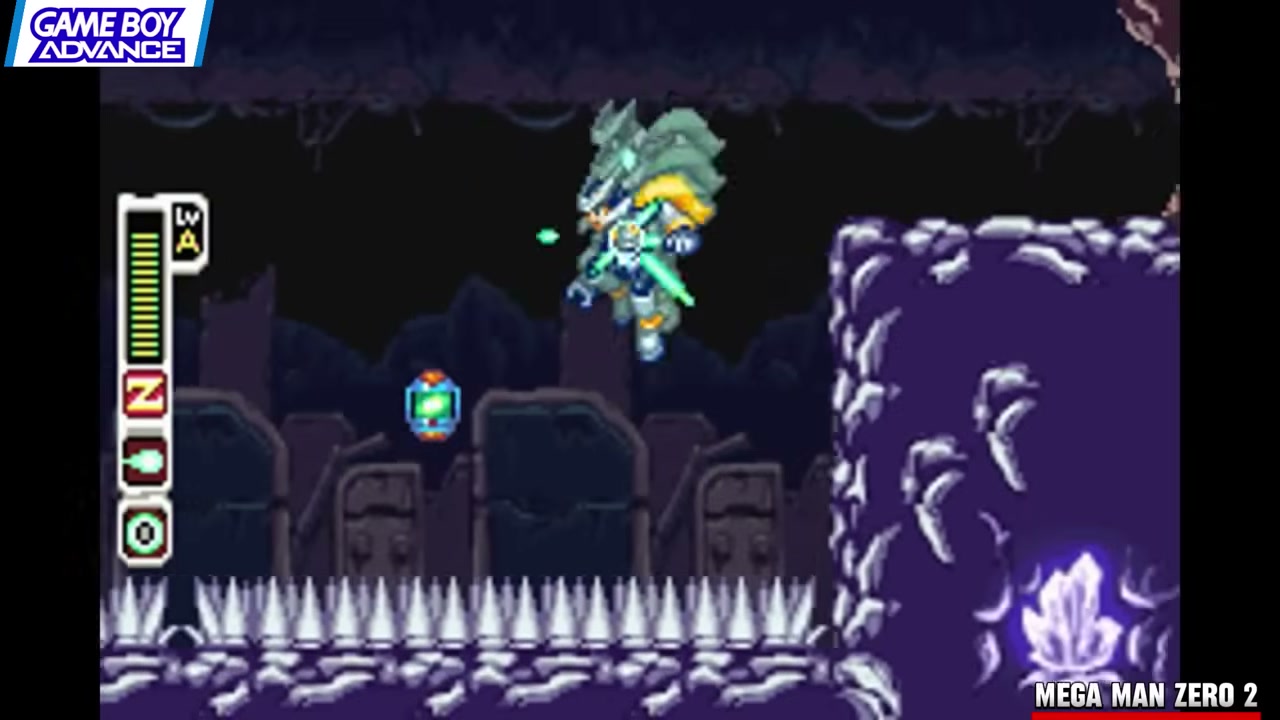
The sequel's chain rod is the interesting detail. It adds a bit of Bionic Commando movement logic to the Zero formula: swing from ledges, grab items, pull enemies, change spacing. The GBA cannot make action "bigger" by zooming out forever, so the game makes movement denser. One new tool changes how the same screen is parsed.
Metroid Fusion and Scurge: Hive Weaponize Pressure
Metroid Fusion is polished enough that it would have made the list on animation alone, but the video wisely centers the SA-X. For most of the game, the SA-X is not a boss. It is a rule: if it appears, you run. That decision gives the station an ugly little horror pulse. Samus is still collecting missile tanks and opening routes like a proper Metroid game, but now the strongest version of Samus is stalking the same corridors.
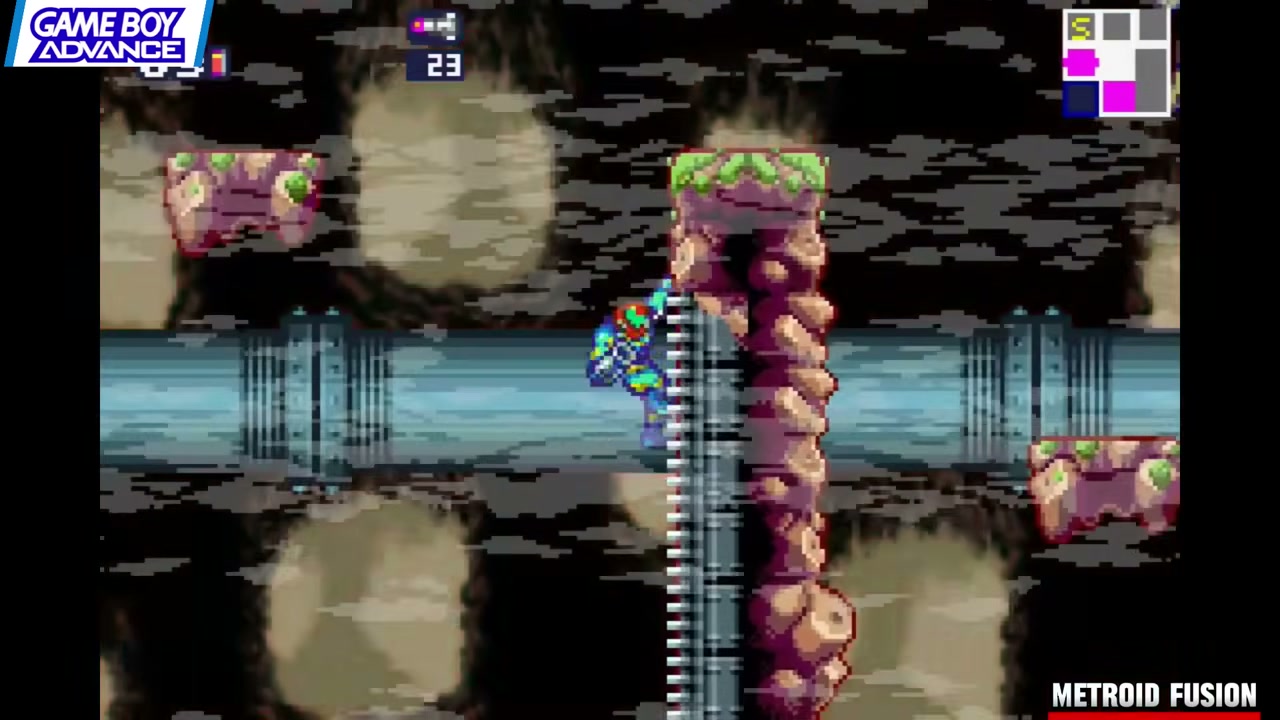
The guided structure gets criticized by some Super Metroid purists, but on GBA it has a purpose. The computer directs the player, sectors change state, locked routes shift, explosions rearrange memory of the map, and the SA-X makes "where am I allowed to go?" feel like a survival question instead of a checklist.
Scurge: Hive is even more mechanical about pressure. The video points out its constantly rising infection meter, which drains health at 100% unless the player reaches decontamination stations. That is such a nasty handheld idea. It turns exploration into time management without needing a giant HUD lecture.
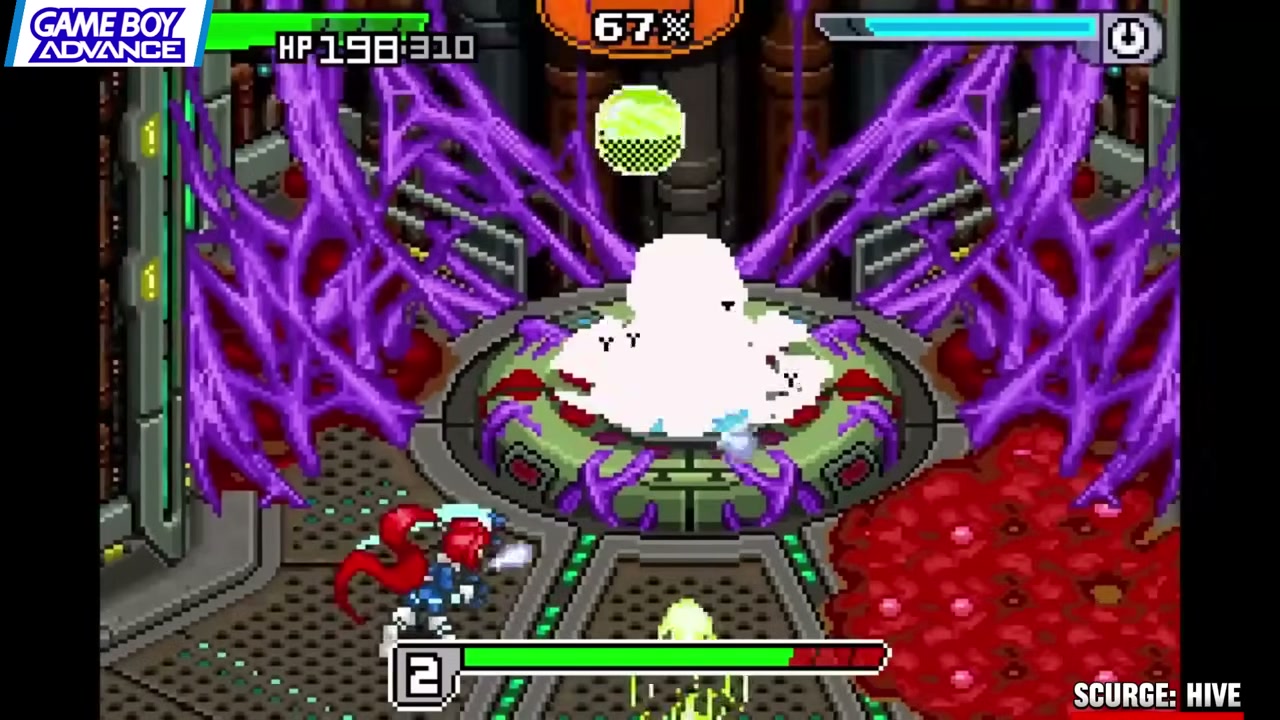
Its weapon system has teeth too: biological, mechanical, and energy enemies respond to different shots, while wrong projectiles can empower some targets. Add the overheating cannon, and the game becomes a little knot of routing, aim, cooldown, and panic. It may repeat keycards and door loops too often, as the video notes, but the central infection mechanic is still the kind of elegant stress system designers should steal shamelessly.
Harvest Moon Proves "Pushing the GBA" Was Not Always Loud
The most useful inclusion might be Harvest Moon: Friends of Mineral Town, because it pushes against the list's own title. It does not need fake 3D, giant bosses, or a screen full of spell effects. Its technical achievement is routine.
Every day asks the same little question: what can you afford to do before time runs out? Water crops, feed animals, mine, fish, shop, talk to villagers, attend festivals, build relationships. The map is compact enough to memorize, but warm enough to feel lived in. Seasonal colors refresh repeated routes. Festivals interrupt the grind before it goes stale.
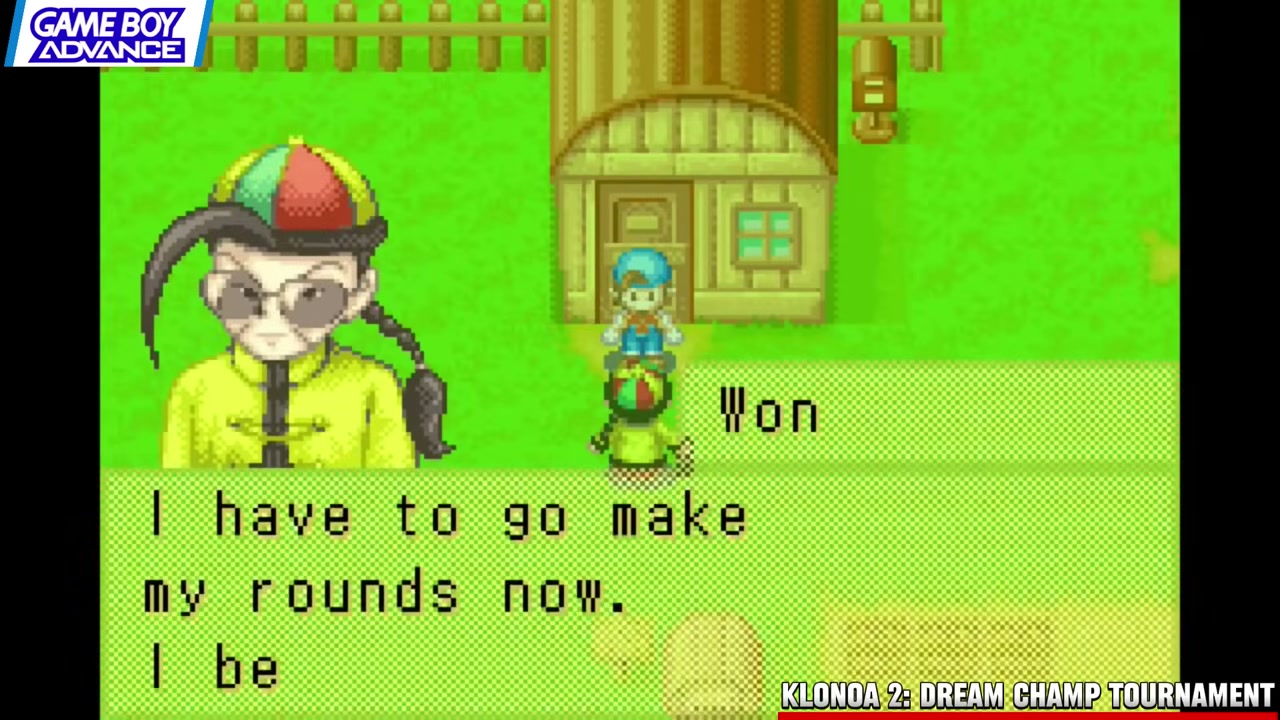
That is not lesser ambition. It is simulation compression. Friends of Mineral Town turns the GBA into a pocket schedule machine where the reward is not spectacle but attachment. Anyone who played this on a long car ride knows the danger: "one more day" becomes 40 minutes instantly.
Chain of Memories Wins by Refusing to Imitate the PS2
Kingdom Hearts: Chain of Memories could have been janky trash if Square Enix tried to shrink the PlayStation 2 combat directly onto the GBA. Instead, as the video stresses, it rebuilds Kingdom Hearts as a 2D action RPG structured around cards.
That is the correct kind of compromise. Keyblade attacks, magic, items, summons, friend assists, enemy effects, and special moves all become deck resources. The memory theme of Castle Oblivion is not just story flavor; it matches the combat economy. You are literally fighting with a constructed memory of options, numbers, and rules.
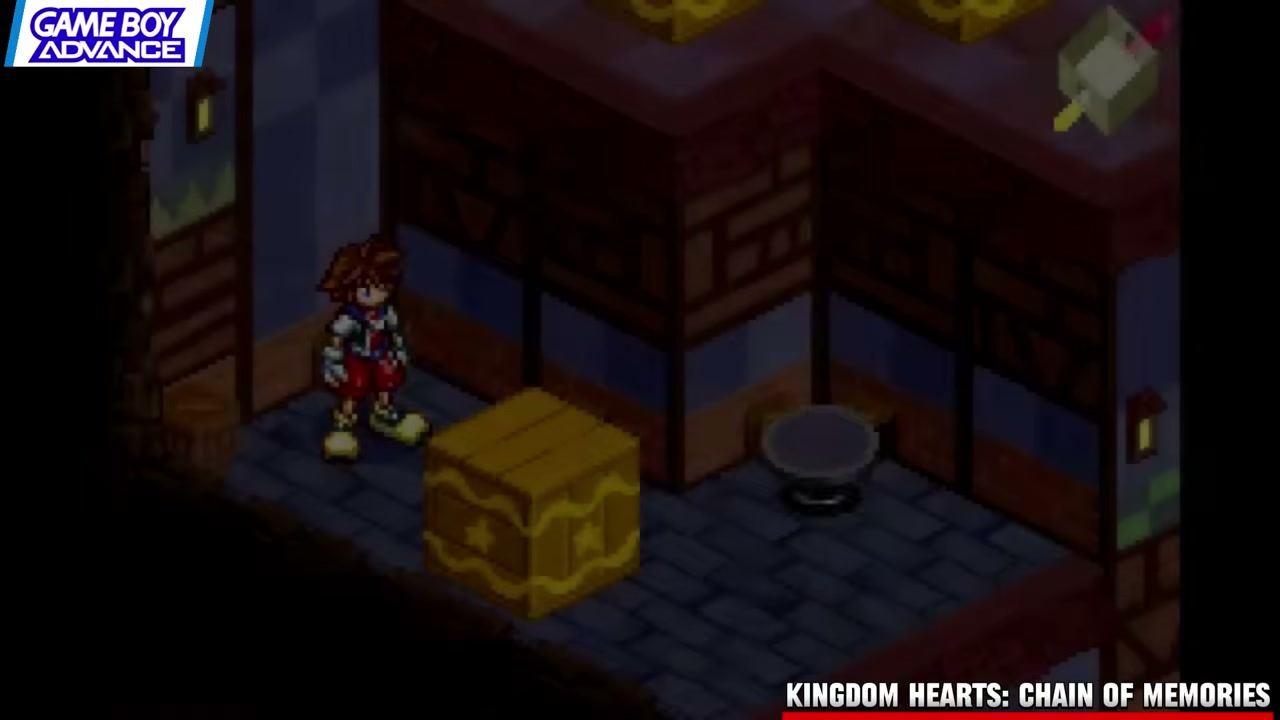
The result is divisive because card combat asks for a different brain than button-mashing through a Disney action RPG. But as a hardware adaptation, it is fascinating. The GBA version does not apologize for being smaller. It changes the genre until the platform makes sense.
The Real Pattern: Readability First, Spectacle Second
What ties the Renkai list together is not that all 12 games are equally beautiful in the same way. They are not. Ninja Five-O impresses through snappy animation, grappling-hook flow, hostage layouts, and short-stage intensity. Sword of Mana leans into rich environments, dual protagonists, ring menus, forging, planting, and softened action-RPG flow. Metroid Fusion looks expensive because Samus moves with liquid confidence. Golden Sun looks expensive because Camelot turns turn-based battles into a little theater production.
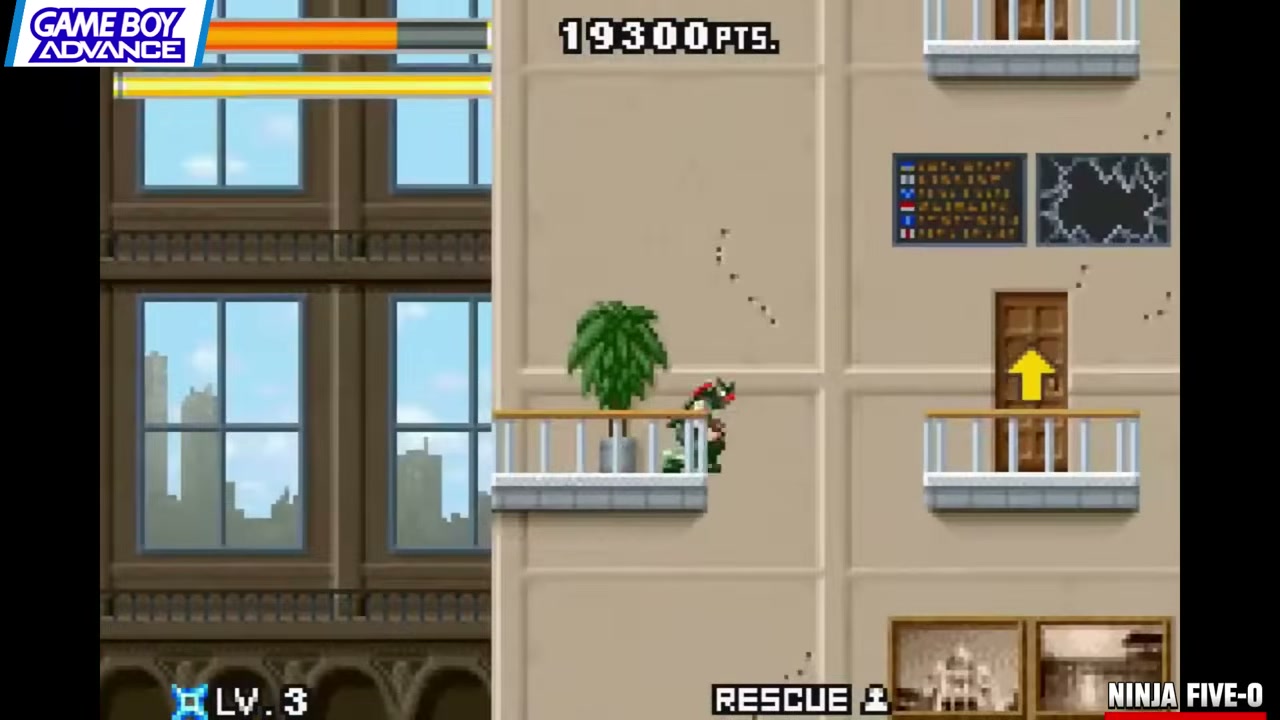
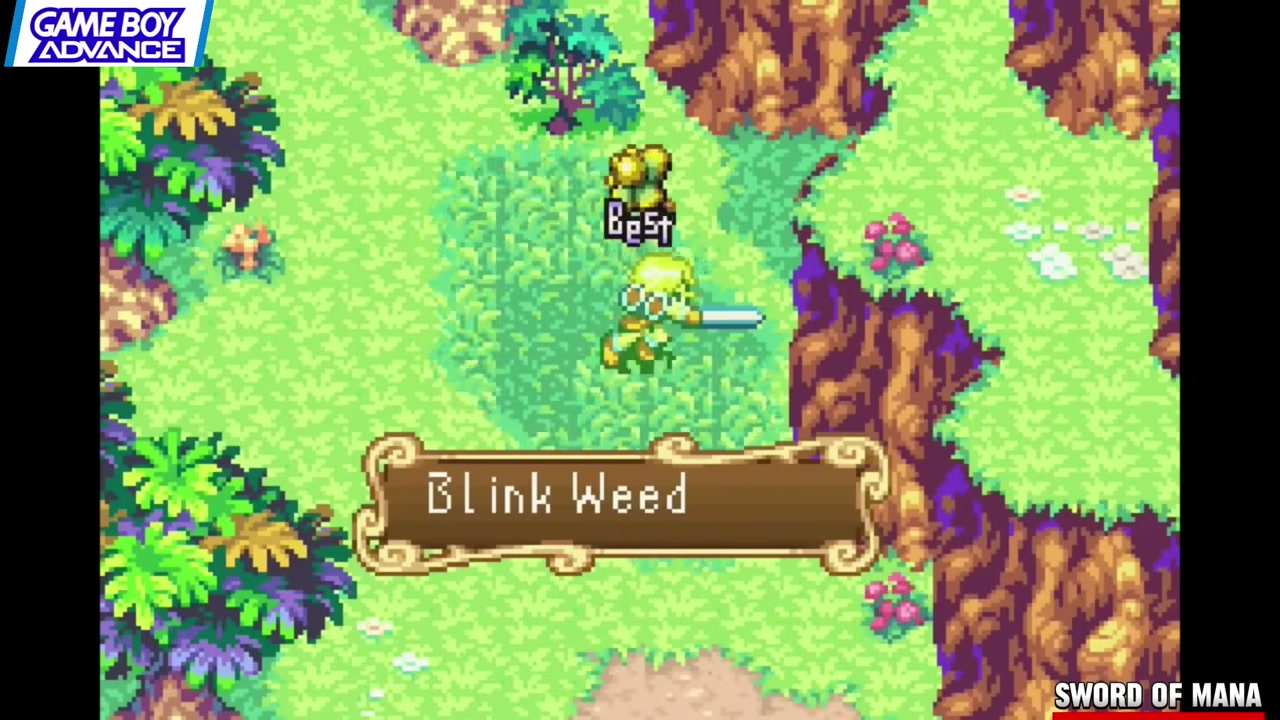
Different tricks, same priority: the player has to read the screen instantly.
That is the secret sauce of great GBA art direction. The sprites are bold. The colors are loud but purposeful. The UI stays chunky. Effects hit hard, then get out of the way. Systems are allowed to be deep, but moment-to-moment feedback has to be immediate because the hardware gives you no room for mush.
The GBA library is full of games that understood this and plenty that absolutely did not. The 12 games in this video are worth revisiting because they mostly land on the right side of that divide. They do not just survive the hardware. They make the hardware's limits part of the flavor.
That is why these screenshots still hit. Not because they are secretly modern, and not because nostalgia is doing all the work. They hit because the best GBA developers were absolute maniacs about compression: compressing scale into tiles, drama into sprites, RPG complexity into readable menus, and tension into meters you could understand in half a second.
For a handheld that fit in your pocket, that is still ridiculous.
If this made you want to revisit the system, Rebit already has practical reads for the best GBA games to play online in a browser, moving retro saves between devices, and cloud saves for retro games.
Rebit does not provide GBA ROM downloads. Bring legally owned .gba files, then use browser play and save management to compare how these games handle readability, scale, and long-session progress.