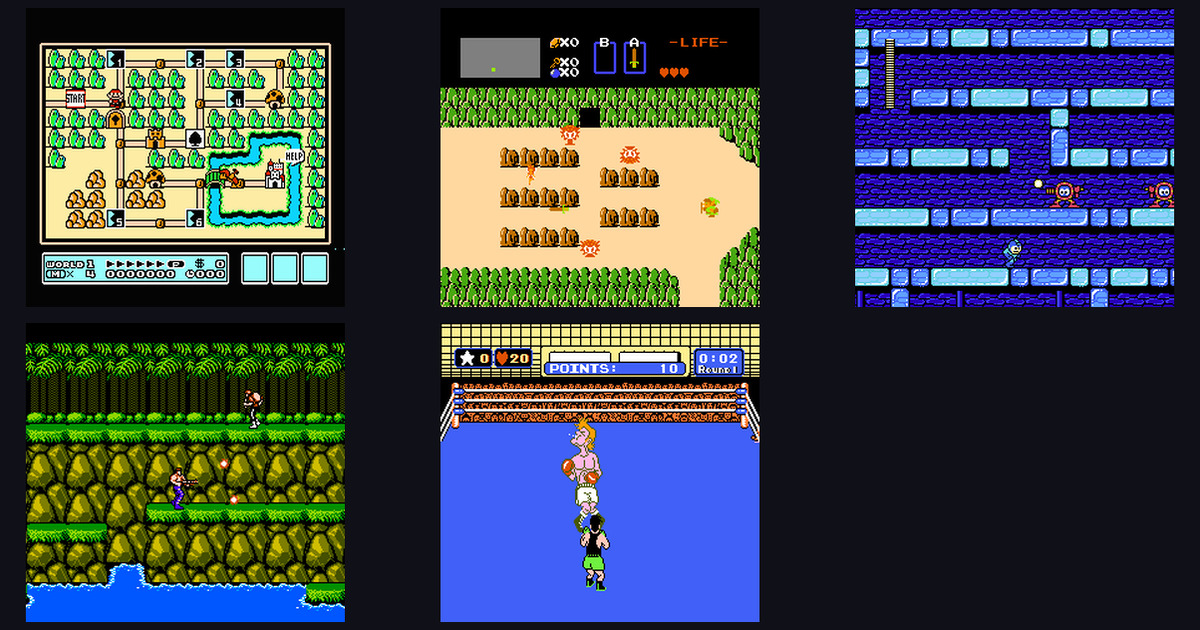
The Nintendo Entertainment System (NES) didn't just save the video game industry; it built the foundation for everything we play today. With a library of over 700 titles, picking favorites is always a challenge. But if you strip away the nostalgia and look at pure design, innovation, and lasting impact, these twenty-one games stand above the rest.
These aren't just games you played—they are the games that taught you how to play. As someone who has poured hundreds of hours into these 8-bit cartridges, memorizing every spawn pattern and pixel-perfect jump, I'm taking you on a deep dive into the 21 absolute best NES games of all time.
1. Super Mario Bros. 3
Release Year: 1990 (NA) Developer: Nintendo R&D4
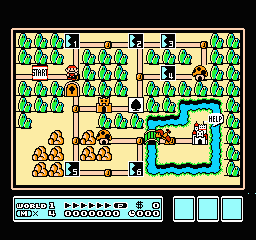
It is impossible to overstate the leap Super Mario Bros. 3 represented. If the original Super Mario Bros. invented the genre, Super Mario Bros. 3 perfected it. It took the linear formula and exploded it into a sprawling, theatrical adventure that still feels massive today.
I’ve put well over 300 hours into Super Mario Bros. 3, split between childhood couch co-op and adult speedrun rabbit holes. The moment the game clicked for me was learning to “ride” the P-meter—feathering the button presses so flight became a tool, not a crutch. From that point, the overworld stopped being a menu and turned into a strategy space: I’d route Hammer Bros. for extra inventory, bank a P-Wing for the fortress with the nasty jumps, and save a Star for the quick clear on a coin ship.
The control feel is still the gold standard for 2D platformers—clean acceleration, predictable air control, and jump arcs you can trust. Difficulty ramps smartly: early grasslands teach confidence, the first fortress tests precision, and airships force composure under autoscroll pressure. My favorite “oh wow” memory is Giant Land; suddenly everything familiar is huge, and the way you read enemy spacing changes completely. It’s playful, but it quietly tests whether you’re really paying attention.
I revisited SMB3 most recently on Nintendo Switch Online. Emulation is stable, rewind is handy if you’re exploring secrets, and suspend points let you pick up long routes without losing your flow. For speed work I still prefer original hardware or a low-latency setup; the P-meter timing and tail whip consistency feel more honest there. Compared with Super Mario World, SMB3 is snappier and more modular—bite-sized challenges that stack into mastery. It’s the game I recommend to anyone who asks “what made NES platformers great?” because you feel the design teach you as you play.
2. The Legend of Zelda
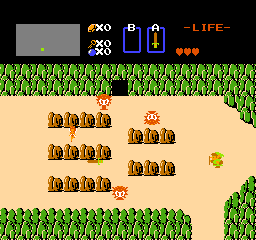
Release Year: 1987 (NA) Developer: Nintendo R&D4
Before The Legend of Zelda, console games were mostly about high scores or moving from left to right. Then came a gold cartridge that dropped you into the middle of nowhere with no instructions, a wooden sword, and a sense of absolute freedom.
I didn’t “finish” The Legend of Zelda the first time—I survived it. I remember getting lost in the Lost Woods, drawing a crude map on graph paper, and learning that discovery is the real reward here. The game hands you almost nothing: a cave, a sentence, a wooden sword. From there it’s pure curiosity and courage. The loop is elegant—explore, find a dungeon, earn an item, and use it to reach somewhere you couldn’t before. When I finally pieced together the Triforce and stared down Ganon, it felt earned in a way modern quest markers rarely deliver.
The controls are deliberate and teach patience: eight-direction movement, attack cadence you learn to respect, enemies that punish greed. The Second Quest is where I fell in love for good. It’s a remixed Hyrule that expects you to think sideways, bomb walls you’d never suspect, and trust your instincts. That second campaign doubled the game’s lifespan for me, and I still revisit it to see if I remember the labyrinths as well as I think I do.
Playing today on Switch Online preserves the feel, with rewind and suspend points for quality-of-life. I prefer a real D-pad—tiny movements matter. If A Link to the Past is the grand, cinematic adventure, Zelda 1 is the raw blueprint for open-world play. It’s quiet, ruthless, and deeply rewarding, and the social side—swapping tips, drawing maps—feels like part of the design. If you want to understand why people say NES games taught them how to think, this is the class.
3. Mega Man 2
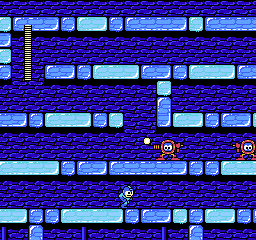
Release Year: 1989 (NA) Developer: Capcom
Mega Man 2 is the textbook definition of a perfect sequel. It took a promising but rough concept and polished it into a diamond. With its high-energy soundtrack and rock-paper-scissors combat system, it set a standard for action platformers that few have ever matched.
I can chart my Mega Man 2 journey by boss order. I started with Bubble Man because the stage was forgiving, moved to Metal Man after I realized the Metal Blade was basically a license to improvise, and eventually settled into Air → Quick → Flash routes for fun. The joy here is in the rhythm—tight jump-shoot timing, weapon swapping that feels tactical, and stage themes that somehow make you play better. Wily 1’s music still makes me lean forward.
Controls are sharp and honest. The game expects you to learn, not grind. When you reach Wily’s fortress, it stops being a tour and becomes an exam. The Mecha Dragon fight on single tiles will expose bad habits instantly; the Boobeam Trap punishes poor ammo planning. I’ve done Buster-only runs for the pure challenge and “metal-first” runs when I just want to feel unstoppable. Both are valid, and both feel phenomenal.
I’ve replayed MM2 across collections and on Switch Online; emulation is good, but I favor a setup that minimizes latency because muscle memory rules here. As much as I admire Mega Man 3’s scope, MM2 has a pace and polish that keeps me coming back. It’s the game that taught me to route, to conserve, and to take satisfaction in precision. If you’ve ever wondered why people rank this one so high, play until Wily 1 and listen to your heart rate.
4. Contra
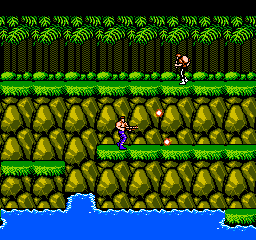
Release Year: 1988 (NA) Developer: Konami
If you want to define "run-and-gun," you simply say Contra. It brought the intensity of the arcade into the living room without compromising on the action. It was fast, it was brutal, and it was the ultimate test of friendship.
My best Contra memories are shared ones—two controllers, one couch, and the unspoken rule that whoever loses Spread Gun first gets priority on the next pickup. The game is pure kinetic reading: enemies and bullets teach you how to move, and the weapon capsules change your role instantly. Spread Gun feels like cheating until Laser reminds you that precision is a virtue too. The moment the waterfall stage starts scrolling vertically, the game re-tests everything you thought you knew about pacing and spacing.
Controls are snappy, jump arcs are trustworthy, and the punishment for greed is swift. Contra is tough, but it’s fair if you respect it. I’ve done “No Code” clears and 1CC attempts; both are humbling in the best way. The pseudo-3D base stages and the vertical climb keep the rhythm fresh—no single skill carries you.
On original NES hardware, the game runs at a solid clip with occasional flicker; modern emulation cleans that up but I still prefer the authentic feel when playing co-op. The Famicom version’s animated backgrounds are slick, but the NES release has that lean, mean tempo I grew up with. Compared with Super C, I find Contra more immediate and better balanced for two players. If you want to know why the run-and-gun genre caught fire, this is the match.
5. Punch-Out!!
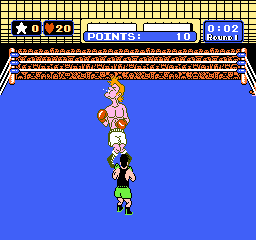
Release Year: 1987 (NA) Developer: Nintendo R&D3
Punch-Out!! isn't really a sports game; it's a rhythm puzzle game disguised as boxing. It features some of the most memorable characters in gaming history and a David vs. Goliath narrative that everyone could root for.
The first time I beat Mike Tyson, I stood up and shouted at my TV. Punch-Out!! looks like a boxing game, but it plays like reading sheet music—tells, timing, and confidence. Glass Joe is a warm-up, King Hippo is a lesson in patience (pop the mouth, count the gut shots), and Bald Bull is your first real test in frame-perfect body blows. Every fighter teaches a different rhythm, and when you lock into it, the match feels less like a fight and more like a dance.
Controls are razor-sharp on NES. Audio cues matter as much as visuals, and that’s why blindfold runs are both possible and mind-blowing. On some emulators, a hint of input lag can wreck your timing, so I still prefer original hardware or a setup tuned for low latency. Tyson (or Mr. Dream) at the end is a wall—a blitz of one-hit uppercuts. The difference between panic and poise is everything, and the surge of adrenaline when you finally land the counter you practiced is hard to describe without grinning.
I come back to Punch-Out!! because it makes me better at games in general. It rewards observation, punishes autopilot, and turns mastery into muscle memory. Compared to other boxing titles, this one is readable and fair, and that’s exactly why it holds up. If you’ve never tried it, listen closely. The opponents are telling you how to win.
Gameplay Mechanics
- Core loop: Read opponent tells → dodge/block → counter → manage stars/hearts → execute Star Punch windows; each fighter is a distinct timing puzzle.
- Innovations: Visual and audio tells as core mechanics; one-knockdown KO design for certain fighters (King Hippo) adds personality and pacing variety.
- Controls: Extremely responsive on NES; modern emulation should minimize latency; audio cues are critical for mastery.
- Difficulty & progression: Steady curve up Minor/Major/World circuits; end boss spike (Tyson/Mr. Dream) tests peak reaction and pattern reads. Typical completion 2–5 hours; mastery runs much shorter.
Store Presentation
- Where to play: NES original reissued across Virtual Console, NES Classic, Switch Online (Mr. Dream version).
- Pricing & value: NSO bundle; no DLC; high value due to skill ceiling and evergreen design.
- User sentiment: GamesRadar ranked it among the top NES games; players celebrate readability, fairness, and personality-rich opponents.
Entertainment Value
- Narrative: Underdog tale conveyed through caricatured opponents and Doc Louis flavor; emotional highs from close wins and perfect reads.
- Social features: Competitive races, blindfold exhibitions, and community strat sharing keep it lively.
- Replayability: Very high—no-hit runs, blindfold runs, time attacks, and input-restricted challenges.
Technical Research
- Performance: 60 FPS; instant transitions; emulation can introduce minor lag—original hardware preferred for tight timing.
- Issues: Minimal; challenge rests on skill, not technical hiccups; input lag on some displays can hinder timing.
- Comparisons: More readable and satisfying than most boxing sims; sits closer to rhythm-action and puzzle design.
- Developer reputation: Nintendo R&D3’s polish and iteration across arcade-to-NES lineage established a genre classic.
6. Metroid
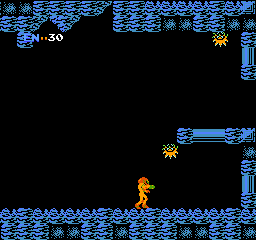
Release Year: 1987 (NA) Developer: Nintendo R&D1
Metroid pioneered a genre that would later bear its name. It dropped players into the alien world of Zebes with no map, no guidance, and a protagonist whose identity would become one of gaming's greatest reveals.
I spent weeks lost in Metroid as a kid, drawing my own maps on notebook paper. The game trusts you to figure things out—bomb every floor, shoot every wall, and slowly piece together the labyrinthine structure of Planet Zebes. When you finally acquire the Varia Suit or the Screw Attack, the areas that once seemed impossible suddenly open up. That feeling of earned progression is what made Metroid revolutionary.
The atmosphere is unmatched on the NES. The music shifts from eerie silence to pulsing urgency, and the alien creatures feel genuinely hostile. Samus moves deliberately—there's weight to her jumps and a rhythm to her shooting that demands patience. Kraid and Ridley aren't just bosses; they're gatekeepers that test everything you've learned. And Mother Brain? That final gauntlet through Tourian, dodging Metroids and Rinkas, is pure tension.
Playing on Switch Online adds save states, which honestly makes the experience more approachable without diminishing the sense of discovery. The password system was brutal, and nobody misses it. If you want to understand why "Metroidvania" became a genre, start here—Metroid is the blueprint.
7. Castlevania
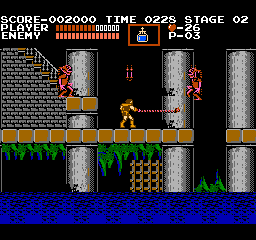
Release Year: 1987 (NA) Developer: Konami
Castlevania is gothic horror distilled into pure gameplay. Simon Belmont's assault on Dracula's castle is methodical, demanding, and dripping with atmosphere that still holds up decades later.
The first time you walk through those castle gates and the music kicks in, you know you're in for something special. Castlevania doesn't let you rush—Simon's whip has a wind-up, his jumps are committed, and the stairs are their own special challenge. This deliberate pace frustrated me as a kid, but as an adult I appreciate how it forces mastery. Every enemy placement is calculated, every candle is a decision: do you grab the dagger or keep your holy water?
The subweapon system adds layers of strategy. Holy water trivializes some bosses; the cross boomerang clears corridors; the stopwatch turns chaos into calm. Learning which weapon to carry into each section is half the battle. Death and his sickles, Frankenstein's Monster and Igor, the Mummies—each boss is a puzzle wrapped in a pattern.
The soundtrack is legendary. "Vampire Killer," "Wicked Child," and "Heart of Fire" are burned into gaming history. Modern emulation preserves the experience perfectly, and Castlevania remains a masterclass in level design and atmosphere. It's hard, but it's fair—and that makes every victory feel monumental.
8. Final Fantasy
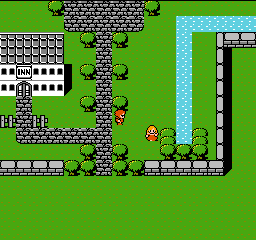
Release Year: 1990 (NA) Developer: Square
Final Fantasy was supposed to be Square's last game. Instead, it launched one of the most beloved franchises in gaming history and brought Japanese RPGs to Western audiences in a way that changed everything.
Building your party of four Light Warriors is where the magic starts. Fighter, Black Belt, Thief, Black Mage, White Mage, Red Mage—the combinations feel endless, and each playthrough can feel completely different. My first run was the classic balanced party; my most memorable was an all-White Mage challenge that taught me more about the game's systems than any guide ever could.
The world feels genuinely epic for an NES game. From Cornelia to the Chaos Shrine, across oceans and through time itself, the journey has a scope that was unprecedented. The elemental Fiends—Lich, Kary, Kraken, and Tialos—are iconic bosses with distinct arenas and strategies. And the time loop twist at the end? It blew my mind in 1990 and still holds up as clever storytelling.
Combat is turn-based and deliberate, with the "ineffective" attack glitch adding unintentional challenge when your party member swings at a defeated enemy. The spell system, with limited charges per level, forces resource management across dungeons. Playing today, I'd recommend the Pixel Remaster for quality of life, but the original NES version has a charm—and a challenge—that's worth experiencing at least once.
9. Dragon Warrior (Dragon Quest)
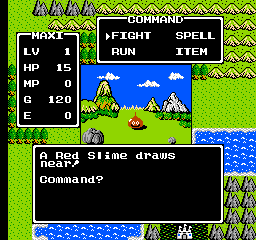
Release Year: 1989 (NA) Developer: Chunsoft/Enix
Dragon Warrior is the foundation of console RPGs. It simplified the complexities of Western computer RPGs into something accessible, addictive, and endlessly influential.
I remember the pure joy of finding my first Metal Slime and watching the experience points roll in. Dragon Warrior is grinding distilled to its essence—fight monsters, gain gold, buy equipment, explore further. The loop is simple but hypnotic. Every new piece of armor, every spell learned, every bridge crossed feels like genuine progress.
The quest to rescue Princess Gwaelin and defeat the Dragonlord takes you across Alefgard, and every step is a decision. Do you risk the swamp damage to reach the next town faster? Can you afford the inn, or do you push through one more fight? The game demands patience and rewards persistence. There's no hand-holding; you talk to everyone, piece together clues, and feel genuinely smart when you find Erdrick's hidden treasures.
The NES version was given away with Nintendo Power subscriptions, which is how many Western players discovered it. That promotional campaign created a generation of JRPG fans. Playing today, the game is slow by modern standards, but it's a fascinating time capsule—the seed from which Dragon Quest, Final Fantasy, and countless others grew.
10. Ninja Gaiden
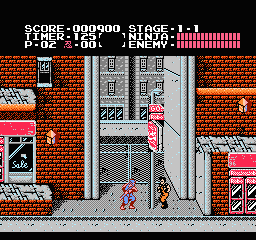
Release Year: 1989 (NA) Developer: Tecmo
Ninja Gaiden brought cinematic storytelling to the NES with animated cutscenes that felt like nothing else at the time. It also brought some of the most demanding platforming ever put on the console.
Ryu Hayabusa moves like a dream—wall jumps, fast sword slashes, and the ability to cling to surfaces made him feel decades ahead of other action heroes. The ninpo system adds magic attacks that can clear screens or save you in boss fights. Managing your spirit gauge becomes second nature, and choosing when to use the Windmill Shuriken versus saving it for a tough section is constant tactical decision-making.
The difficulty is legendary, and not always for the right reasons. Those eagles that spawn infinitely and knock you into pits? The boss rushes in Act 6 where dying sends you back three stages? Ninja Gaiden can feel cruel. But when you're in the zone, flowing through a level with perfect jumps and timed strikes, it's exhilarating. The game demands you master it, not just finish it.
The story cutscenes were groundbreaking. Watching Ryu discover his father's fate, face off against mysterious rivals, and confront demons from another realm made this feel like an interactive action movie. Ninja Gaiden proved that NES games could tell stories with cinematic flair, and its influence echoes through action games to this day.
11. Tetris
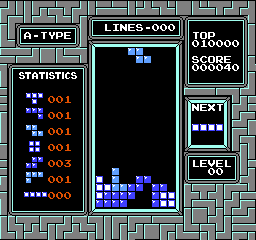
Release Year: 1989 (NA) Developer: Nintendo (NES version)
Tetris is the perfect puzzle game. It's been ported to everything, but the NES version—with its clean controls, iconic Type-A music, and competitive legacy—remains the definitive classic experience.
There's a reason Tetris is still played competitively decades later. The rules are simple: rotate falling tetrominoes, clear lines, survive. But the depth is infinite. Tucks, spins, building for Tetrises, managing your stack during drought—the game reveals new layers the more you play. My personal best on NES is reaching level 19, and every time I think I've peaked, someone posts a maxout video that humbles me.
The NES version has specific quirks that make it beloved. The piece randomizer creates genuine droughts, the DAS (delayed auto-shift) movement requires adaptation, and the colors at higher levels (level 19's invisible I-pieces!) test your spatial memory. The Classic Tetris World Championship exists because this version specifically has so much competitive depth.
Whether you're playing for meditation or competition, Tetris on NES delivers. The music is earworm-tier, the gameplay is eternally satisfying, and there's always room to improve. It's the game you can play for five minutes or five hours, and it never gets old.
12. Duck Hunt
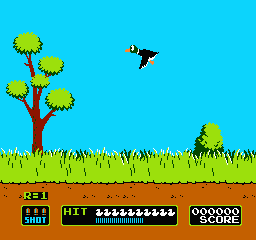
Release Year: 1984 (NA) Developer: Nintendo R&D1
Duck Hunt came bundled with the NES and Zapper, introducing millions to light gun gaming. That laughing dog is simultaneously the most beloved and most infuriating character in NES history.
The gameplay is simple—ducks fly up, you shoot them down, the dog either celebrates or mocks you. But there's genuine skill involved in the higher rounds. Ducks fly faster, erratically, and give you less time to line up shots. Game B with two ducks at once doubles the challenge. And Game C's clay pigeon shooting is a different beast entirely, testing quick reflexes over tracking.
What makes Duck Hunt special is the physicality. Pointing the Zapper at the TV, pulling the trigger, and seeing the duck fall creates a connection that controllers can't replicate. It's the original motion control gaming, and it worked beautifully. Playing today requires a CRT television (the Zapper doesn't work with modern displays), which makes it increasingly rare to experience authentically.
The dog transcends the game itself. His iconic hunting pose, his joyful leap when you succeed, and that insufferable laugh when you fail are burned into gaming's collective memory. Duck Hunt might be simple, but it's a perfect example of accessible design that anyone could enjoy—and that made it one of the most played NES games ever.
13. Kirby's Adventure
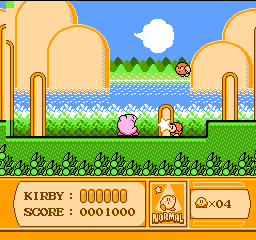
Release Year: 1993 (NA) Developer: HAL Laboratory
Kirby's Adventure pushed the NES to its absolute limits, releasing in 1993 when the Super Nintendo was already dominating. The result is the most visually impressive game on the console and one of its most inventive platformers.
Kirby's copy ability changed everything. Swallow an enemy, steal their power—it sounds simple, but the execution is brilliant. Over 20 abilities means constant experimentation: Sword for reliable damage, UFO for flight dominance, Ball for weird fun, Sleep for... well, a nap. The game encourages you to try everything, and different abilities make different sections easier or harder.
The presentation is stunning. Smooth scrolling, parallax backgrounds, huge sprites, and animation quality that rivals 16-bit games. HAL squeezed every drop of performance from the NES hardware. The music is equally polished—catchy, varied, and perfectly matched to each world's theme. Butter Building's tune still gets stuck in my head.
Difficulty is gentle, making this perfect for younger players or anyone wanting a relaxing experience. But the minigames add challenge, the secrets reward exploration, and completing everything takes genuine effort. Kirby's Adventure proves that the NES had life left even at the end of its era, and it remains one of the console's crowning achievements.
14. Battletoads
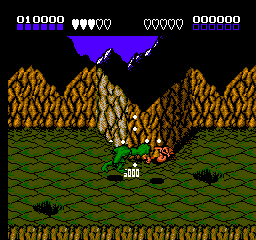
Release Year: 1991 (NA) Developer: Rare
Battletoads is infamous for its difficulty, but it's also a technical showcase and a genuinely creative beat-em-up that constantly reinvents itself across its levels.
Rash, Zitz, and Pimple punch, kick, and transform their limbs into absurd weapons—giant fists, ram horns, anvil weights. The combat is satisfying and the animations are incredible for NES hardware. But the game's variety is what sets it apart: one level is a brawler, the next is a rappelling descent, then a speeder bike sequence that haunts gamers' nightmares.
The Turbo Tunnel. Those two words trigger PTSD in anyone who played Battletoads. The speeder bike section is brutally fast, demanding memorization and split-second reactions. Most players never see past it. But if you persevere, the game keeps throwing curveballs—snake mazes, surfing, unicycle racing. It never lets you get comfortable.
Co-op should be a highlight, but friendly fire is always on, leading to chaos and frustration. Many friendships were tested by Battletoads. Playing solo is arguably easier because you only have your own mistakes to manage. Despite (or because of) its crushing difficulty, Battletoads achieved legendary status. It's a badge of honor to beat it, and a testament to Rare's ambition and technical skill.
15. DuckTales
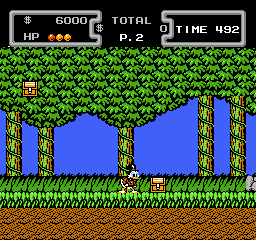
Release Year: 1989 (NA) Developer: Capcom
DuckTales proved that licensed games could be genuine classics. Capcom took a beloved Disney cartoon and crafted one of the best platformers on the NES.
Scrooge McDuck bounces on his cane like a pogo stick, and that central mechanic is pure joy. The cane bounce gives you height, defeats enemies, breaks blocks, and becomes second nature within minutes. Combined with non-linear level selection, hidden treasures, and multiple endings based on your wealth, DuckTales offers more depth than most NES platformers.
The five stages—Amazon, Transylvania, African Mines, Himalayas, and the Moon—each have distinct aesthetics and secrets. The Moon music alone has achieved legendary status; it's been remixed countless times and remains one of the most beloved chiptunes ever composed. Every level hides gems and treasures, rewarding exploration and making replay genuinely worthwhile.
Boss battles are pattern-based and fair, and the whole game is completable in under an hour once you know it—but finding everything takes much longer. The remake (DuckTales: Remastered) is beautiful, but the NES original has a purity and pacing that I prefer. It's proof that licensed games, with the right developer, can transcend their source material.
16. Super Mario Bros.
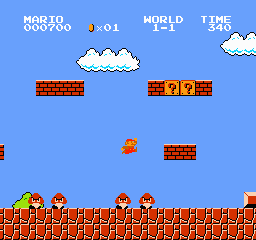
Release Year: 1985 (NA) Developer: Nintendo R&D4
Super Mario Bros. didn't just define the NES—it defined video games. The game that saved the industry, launched a mascot, and established the template for side-scrolling platformers deserves its legendary status.
World 1-1 is the most famous level in gaming history, and for good reason. It teaches you everything: Goombas show you can jump on enemies, the first Mushroom teaches you power-ups spawn, the pipes hint at exploration, and the flagpole rewards reaching the end. No tutorial needed—the design itself is the teacher.
Every world builds on what came before. Underground levels, underwater swimming, castle platforming, night levels with aggressive enemies—the variety within a consistent framework is masterful. Finding warp zones, kicking shells for 1-ups, and timing firebar jumps are skills that transfer to every platformer that followed. The game created a language that the entire genre speaks.
I've beaten Super Mario Bros. hundreds of times, and it never gets old. Speedrunners have pushed the game to incredible extremes, but it's equally satisfying to play casually. The controls are perfect—responsive, predictable, and expressive. If you want to understand why Nintendo dominated gaming, play Super Mario Bros. and feel how right everything is.
17. Excitebike
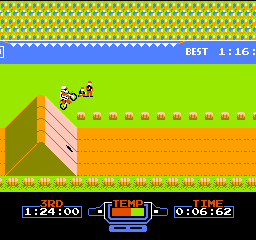
Release Year: 1985 (NA) Developer: Nintendo R&D1
Excitebike is pure racing distilled. No weapons, no gimmicks—just you, your bike, terrain, and the perfect balance between speed and overheating.
The core mechanic is brilliantly simple: accelerate with A for steady speed, use B for turbo boost. But turbo heats your engine, and overheat means stopping dead until it cools. Managing that temperature gauge while navigating jumps, mud, and other racers creates constant tension. Hit the arrows on the track to cool down; miss them and you're gambling.
The track editor was mind-blowing in 1985. Creating your own courses, testing them, and (in the Famicom version) saving them added infinite replayability. The NES version couldn't save designs, but the creation tools were ahead of their time. Racing your own creations, then trying to beat them, was early user-generated content.
Physics matter in Excitebike. Landing jumps flat gives you speed; landing at wrong angles wipes you out. Other racers can knock you down. The skill ceiling is higher than it appears—optimal racing requires knowing every ramp angle and managing heat perfectly. It's a classic that rewards mastery and still delivers quick racing thrills.
18. Tecmo Bowl
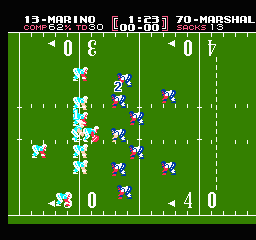
Release Year: 1989 (NA) Developer: Tecmo
Tecmo Bowl brought NFL action to the NES with accessible gameplay that captured the excitement of football without drowning in complexity.
Twelve NFL teams (with real players!), simple playbooks, and games that last minutes instead of hours made Tecmo Bowl perfect for the console. Picking plays, reading the defense, and breaking for a touchdown is endlessly satisfying. And then there's Bo Jackson—the Raiders running back is so overpowered that using him feels like cheating. Bo knows touchdowns.
The four-play offensive system seems limiting but creates genuine strategy. Your opponent tries to guess your play; if they match, you're likely stopped. The mind games add depth that pure action couldn't. Defense is about reading formations and positioning—simple enough to learn quickly, deep enough to master slowly.
Tecmo Super Bowl (the sequel) added full seasons and more teams, but the original has a purity that keeps fans returning. The ROM hacking community creates updated rosters yearly, keeping the game relevant decades later. Tecmo Bowl proved sports games could be fun for everyone, not just simulation enthusiasts, and its influence shaped arcade sports games for generations.
19. Ghosts 'n Goblins
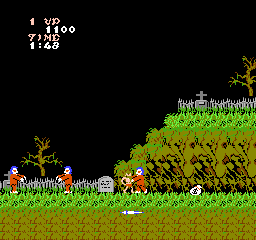
Release Year: 1986 (NA) Developer: Capcom
Ghosts 'n Goblins is infamous for one reason: it's brutally, legendarily, almost unfairly difficult. But beneath the punishment is a tight action platformer that rewards persistence and pattern mastery.
Arthur in his armor, fighting through graveyards, forests, and demon-filled castles to rescue Princess Prin-Prin—the setup is simple, but execution is anything but. One hit strips your armor, leaving you running in boxers. A second hit kills you. And when you finally beat the game? You're sent back to do it all again on a harder difficulty to get the true ending.
The weapons dramatically change your approach. The lance is reliable, the torch arcs usefully, the knife is fast, and the shield... the shield is a trap that will get you killed. Knowing which weapons to keep and which to avoid is crucial. Enemy spawns are infinite and relentless—zombies rise endlessly, Red Arremers hover and dive with malicious intelligence.
Despite the difficulty (or because of it), Ghosts 'n Goblins has devoted fans who've mastered every pattern. It's the original "difficult for difficulty's sake" game, predating Dark Souls by decades. Beating it legitimately is a badge of honor. The game doesn't respect your time, but if you conquer it, you've earned bragging rights forever.
20. Bubble Bobble
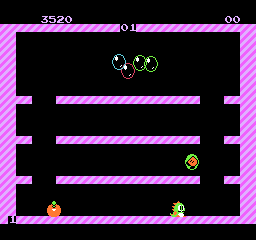
Release Year: 1988 (NA) Developer: Taito
Bubble Bobble is pure co-op joy. Bub and Bob—dragons who trap enemies in bubbles then pop them—star in 100 levels of single-screen puzzle-platforming that's perfectly designed for two players.
The mechanics are deceptively deep. Blow bubbles to trap enemies, then pop them for points. But bubbles also let you jump higher by bouncing on them, reach secret areas, and collect special items. EXTEND letters spell out extra lives. Secret rooms hold massive bonuses. The "true ending" requires two-player completion. It's designed from the ground up as a shared experience.
Each enemy has distinct behavior: Baron von Blubba (the skull) hunts you if you take too long; some enemies jump, some throw projectiles, some are immune to bubbles from certain directions. Later levels become puzzles—figuring out how to reach enemies before time runs out requires thought, not just reflexes.
The music will never leave your brain. That bouncy, repetitive tune is either charming or maddening depending on your tolerance. Bubble Bobble remains one of the best couch co-op games ever made. It's accessible enough for anyone, deep enough for mastery, and pure fun throughout.
21. Double Dragon
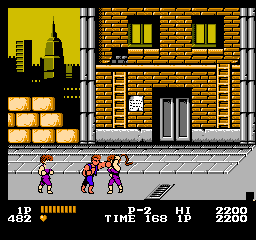
Release Year: 1988 (NA) Developer: Technōs Japan
Double Dragon brought the beat-em-up genre into homes. Billy and Jimmy Lee punch, kick, and weapon their way through gang-infested streets in a game that defined cooperative brawling.
The NES version differs significantly from the arcade—there's no simultaneous co-op, experience points unlock moves, and the stages are remixed—but it stands on its own merits. Learning the elbow strike, spin kick, and jump kick expands your arsenal as you play. By the time you're performing hair-grab knees and weapon juggles, you feel like a martial arts master.
Weapons are game-changers: baseball bats have reach, knives are fast, and dynamite clears rooms. Picking up enemy weapons and turning them against their owners never gets old. The bosses—Abobo, Burnov, and the final confrontation—test everything you've learned. The final twist in the story (no spoilers) was surprising for its time.
Flicker and slowdown hit when too many enemies appear, which was common in NES beat-em-ups. But the core gameplay is solid enough to overcome technical limitations. Double Dragon spawned sequels, imitators, and an entire genre of cooperative side-scrolling brawlers. If you've ever punched your way through a video game level, you're playing Double Dragon's legacy.
Which of these 21 classics did you spend the most time with? Did you ever beat Tyson? Clear Battletoads? Find all the secrets in Metroid? Let us know!
Play NES classics on Rebit
If this list is your starting point, use the play NES games online page for the system flow, or start broader with play retro games online. For two-player picks from this era, the best NES co-op games online with friends guide is the better next read, and the retro netplay guide is the right follow-up before hosting a remote session.
Rebit does not provide ROM downloads. Bring legally owned NES game files, keep your library private, and use browser saves or save states as a convenience layer around games you already own.