Most people remember the SNES platform era through the same greatest-hits lens: Super Mario World, Donkey Kong Country, maybe Yoshi’s Island. Fair. Those games are masterpieces.
But if you stop there, you miss the weird, brilliant middle layer of SNES design: games that were too late, too strange, too hard, too expensive, or too "not Mario" to become household names.
After watching a killer YouTube piece on hidden SNES platformers, we wanted to do what retro nerds always do: go deeper. Not just "here are games you forgot," but why these games still play insanely well in 2026.
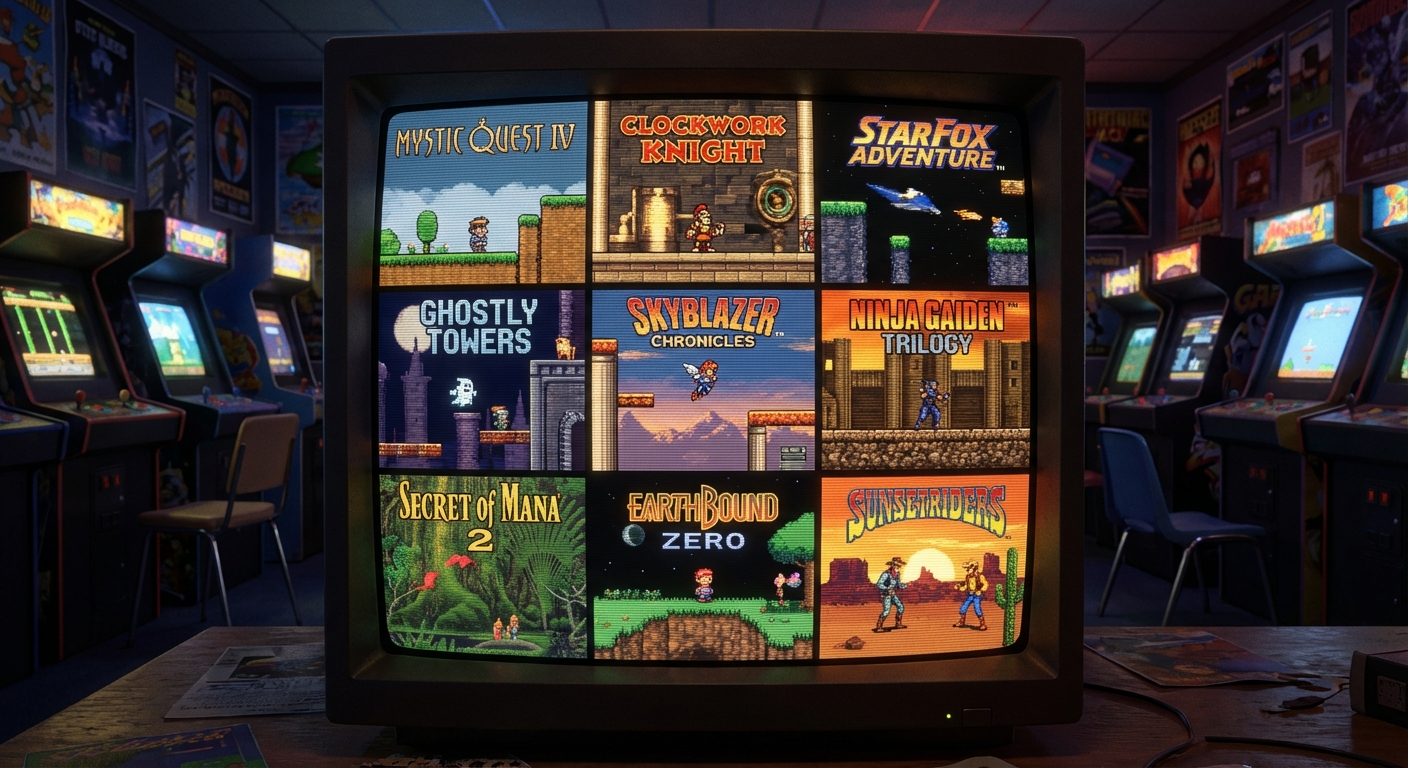
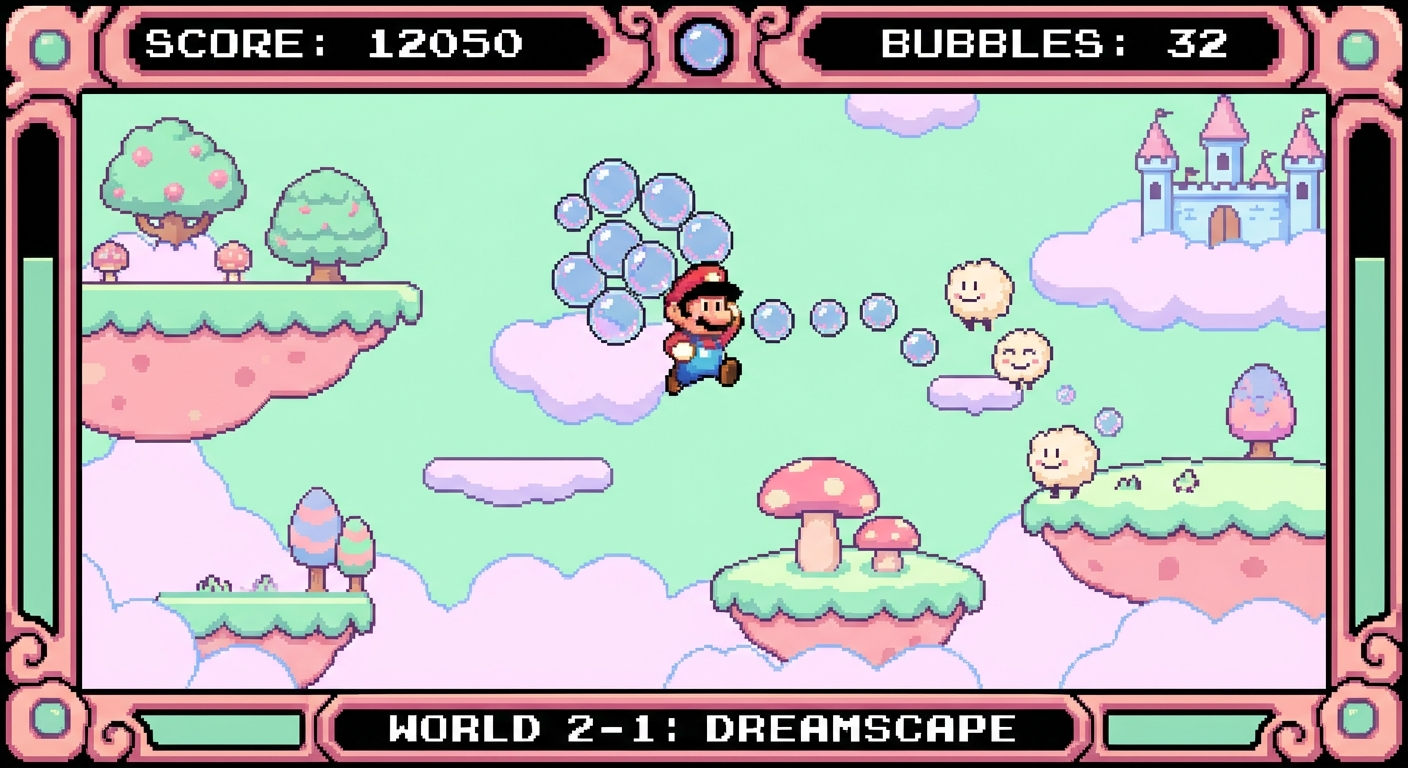
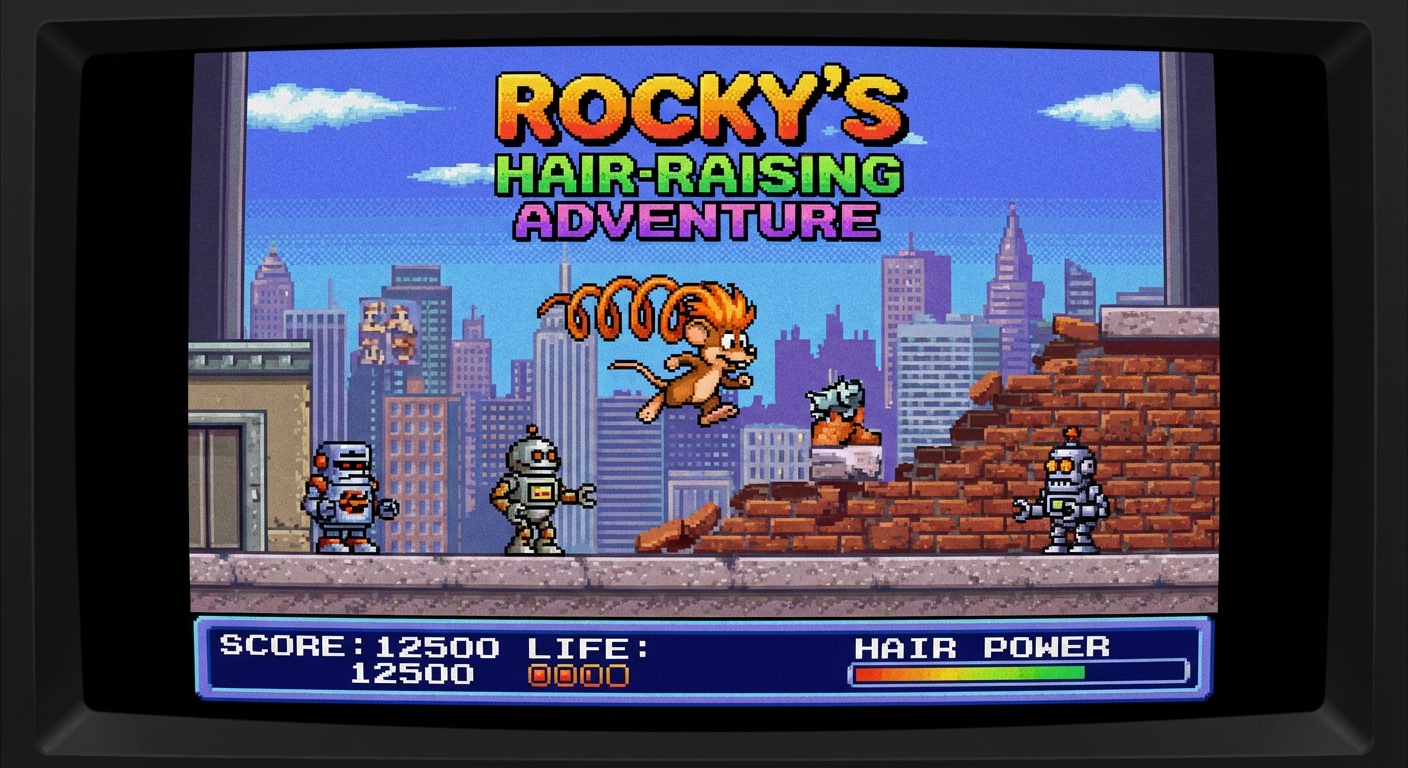
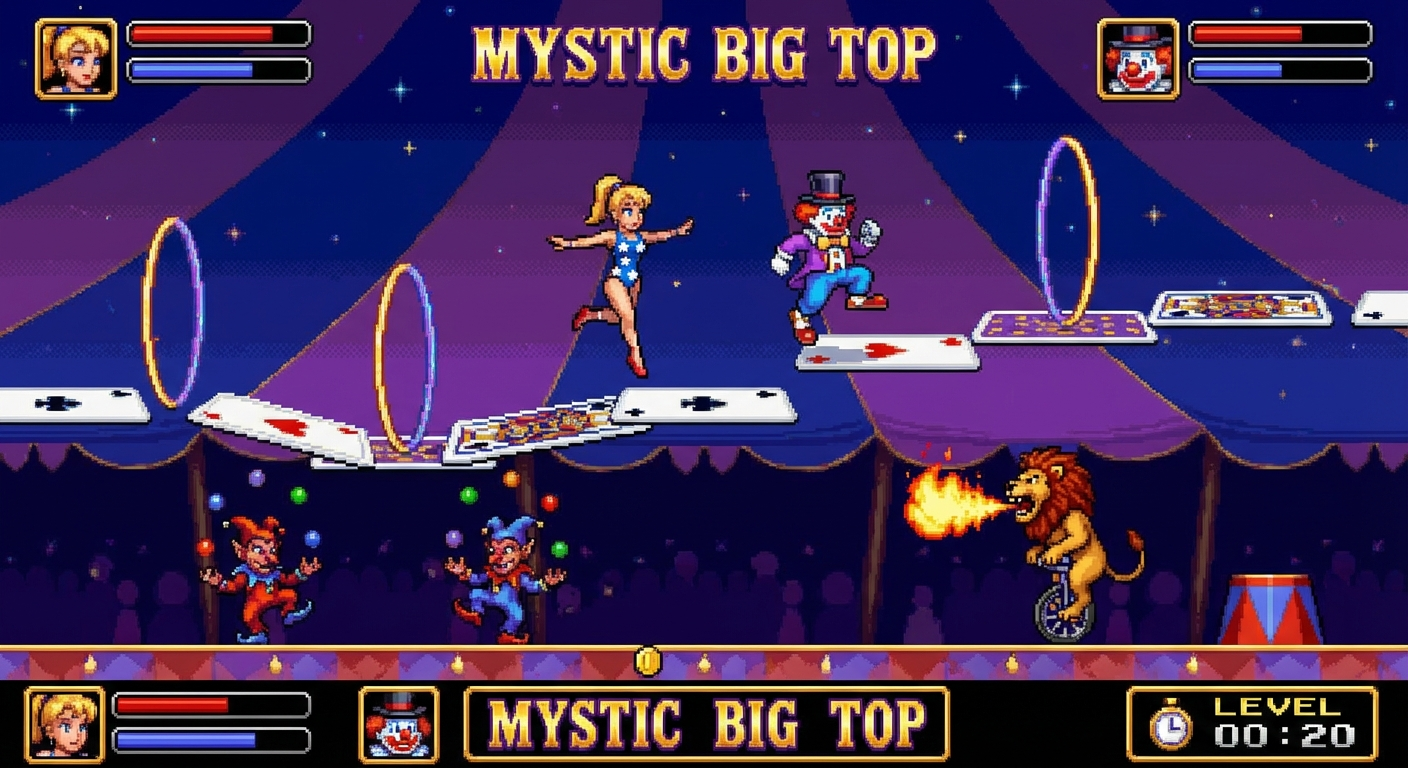
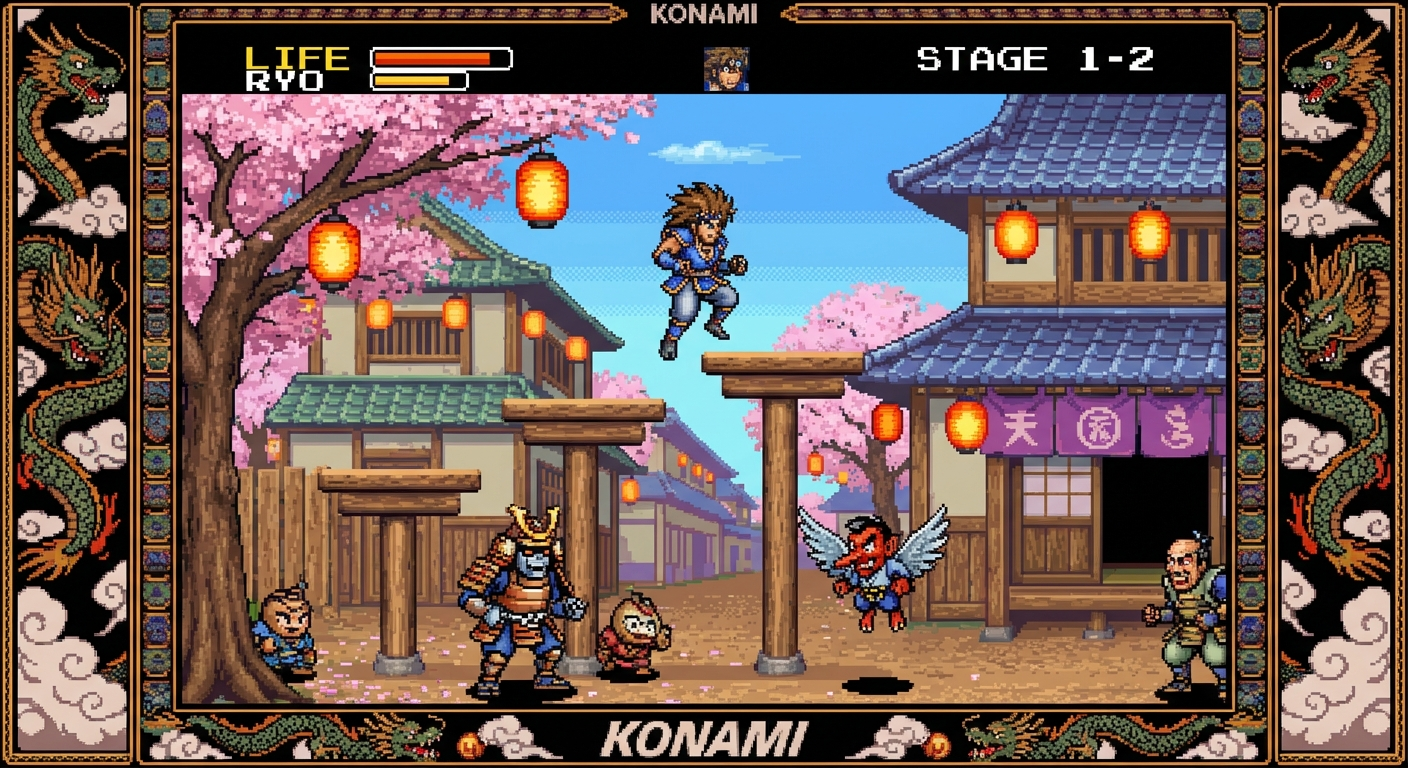
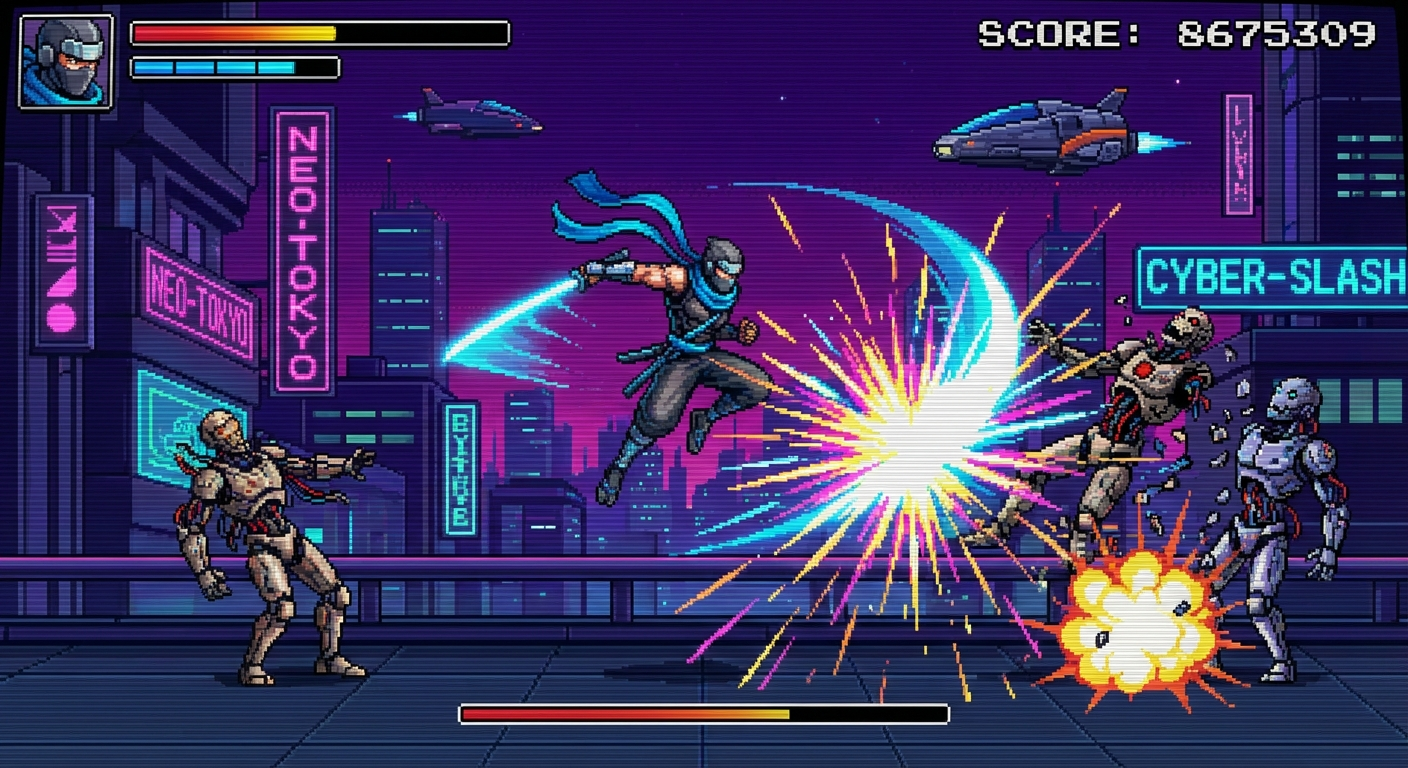
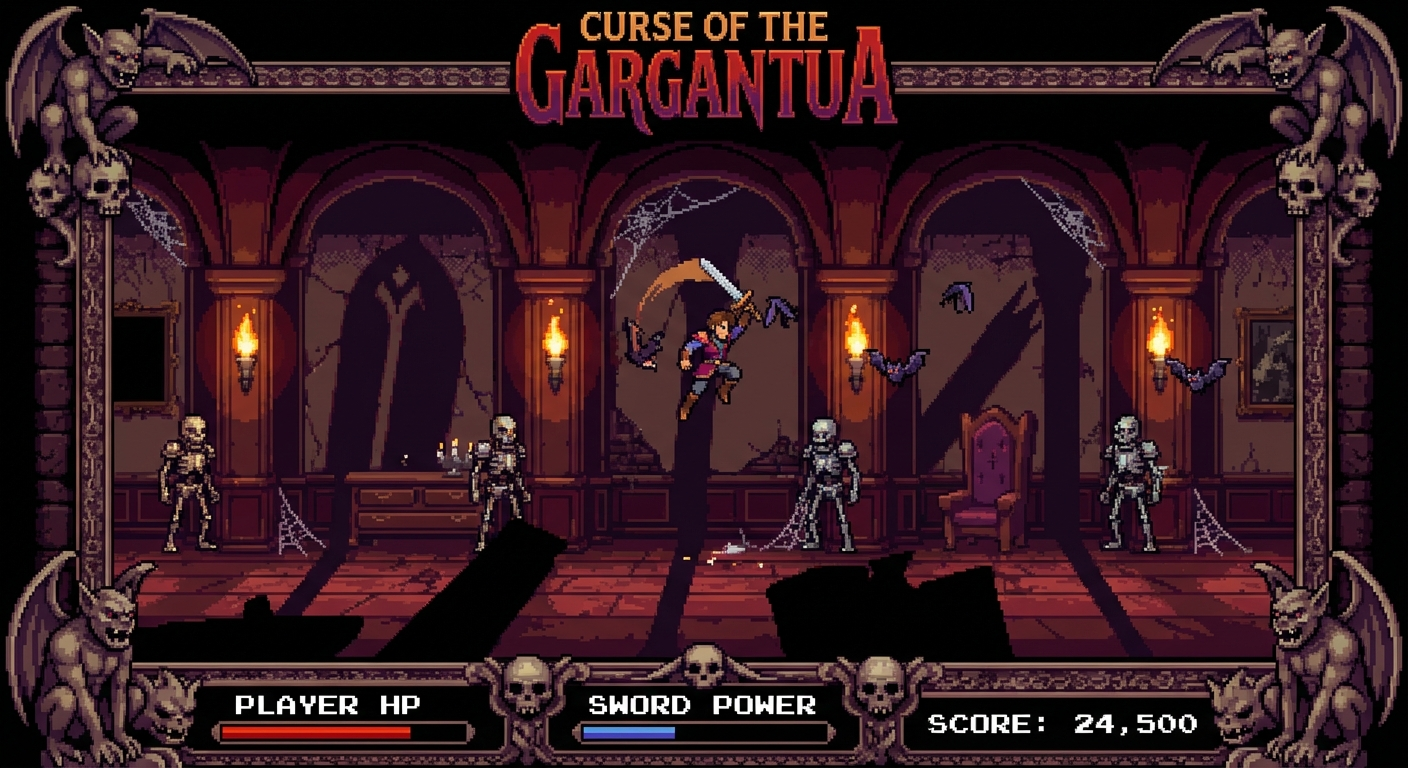
Image note: demo visuals are style-inspired illustrations for this post.
Why hidden SNES platformers age so well
The best overlooked SNES platformers share four traits modern games still chase:
- Immediate control response (tight acceleration/deceleration)
- Readable enemy telegraphing (clear "I’m about to attack" language)
- Compact, replayable levels (high density, low filler)
- Mechanic-first identity (one strong gimmick, fully exploited)
That combo creates something rare: games that feel fair even when they’re brutal.
11 hidden SNES platformers worth your time
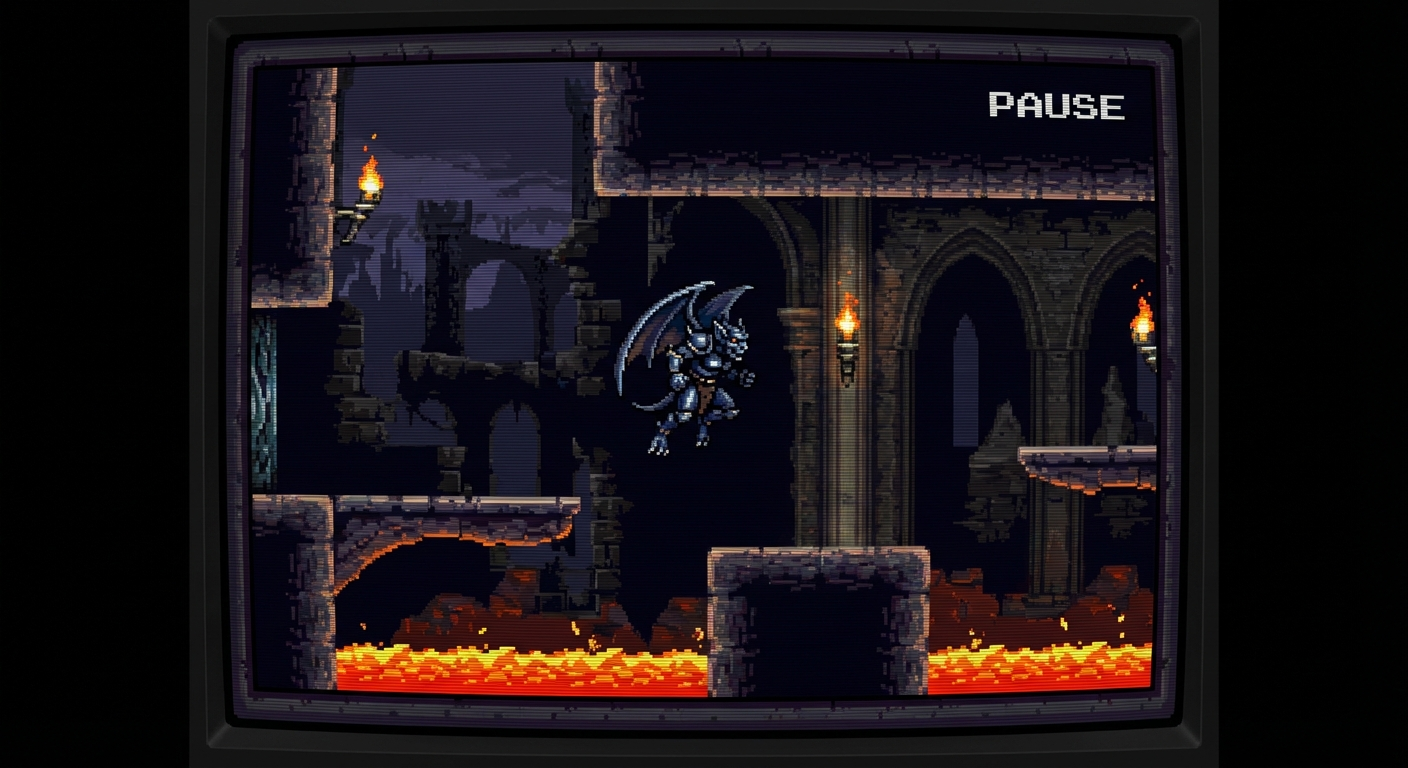
1) Demon’s Crest (Capcom)
If Ghosts ‘n Goblins grew up and got design discipline, you get Demon’s Crest.
You play as Firebrand with air-hover, wall interactions, and form-switch powers that genuinely alter routing. The magic is in movement rhythm: short hop, hover correction, commit. It’s deliberate in a way modern action-platformers often overcomplicate.
Nerd note: The game’s "open" progression is subtle but smart. It gives non-linear flavor without becoming maze soup.
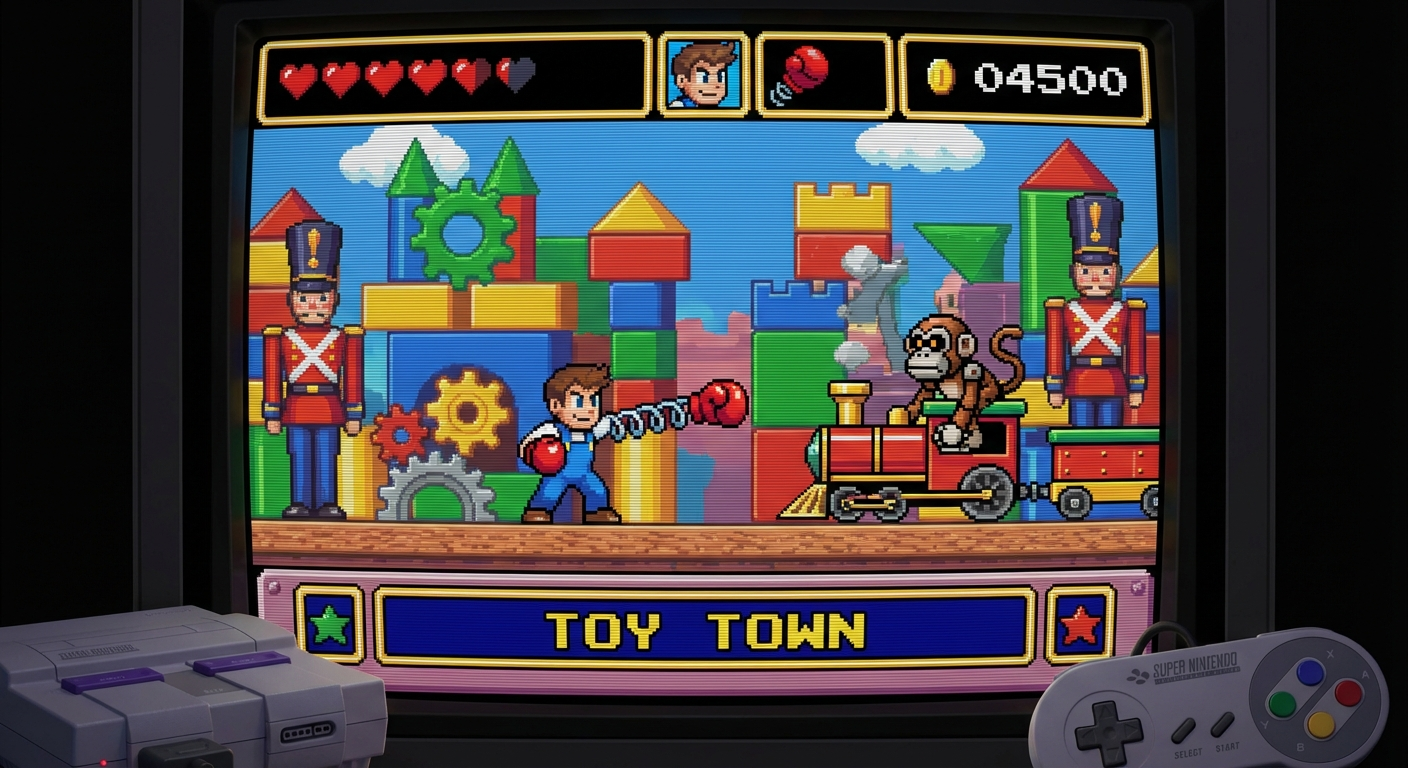
2) Plok (Software Creations)
This one is famous among soundtrack nerds and criminally underplayed by everyone else.
Plok can literally throw his limbs as projectiles. Sounds goofy, plays genius. You’re constantly making risk/reward decisions because throwing your limbs can leave you vulnerable. It turns combat into spacing strategy, not button mashing.
What still feels modern: expressive animation + weird mechanic + high difficulty curve done cleanly.
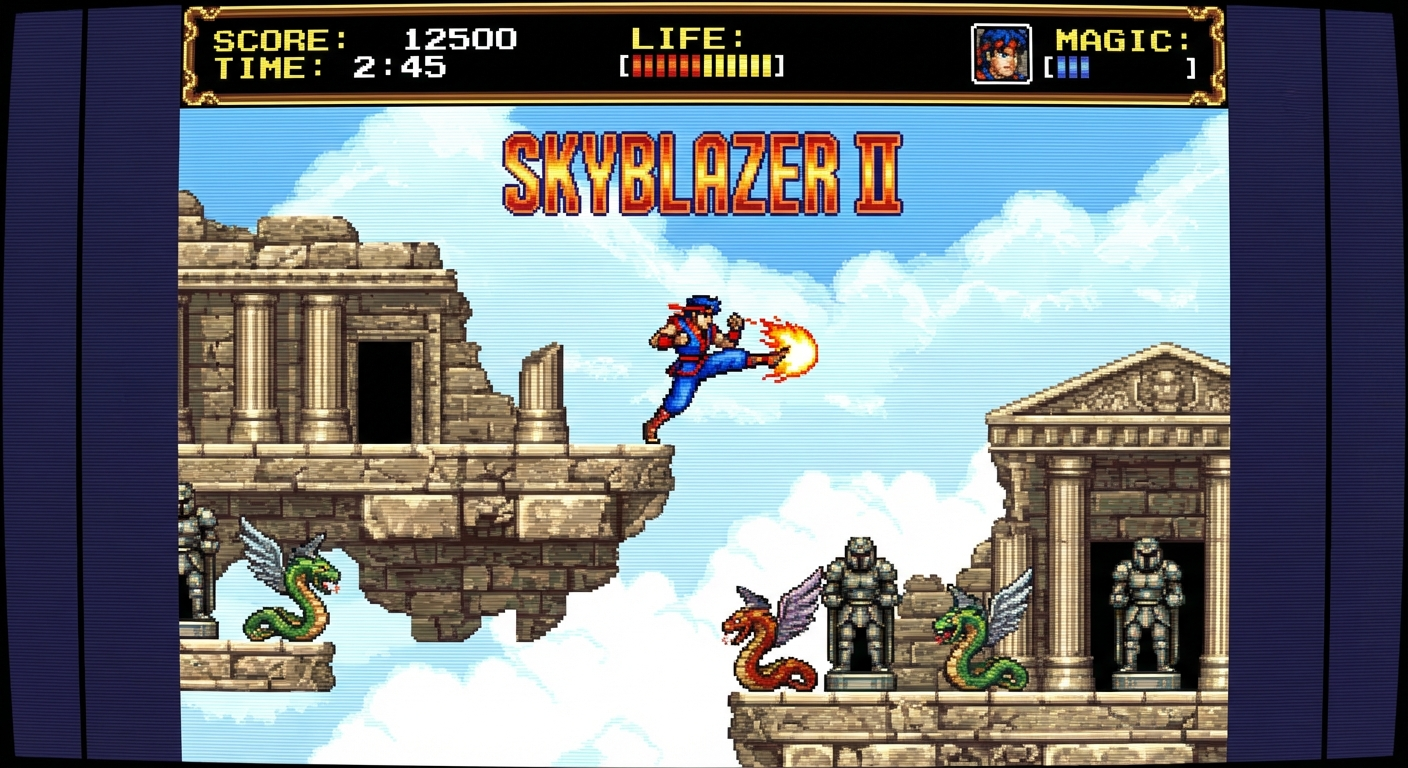
3) Skyblazer (Ukiyotei/Sony Imagesoft)
A movement game disguised as a flashy action game.
Skyblazer’s flow comes from chaining jumps, directional attacks, and momentum-preserving movement over vertical layouts. It rewards confidence without requiring frame-perfect masochism.
Design win: great vertical readability. You almost always know where to go next.
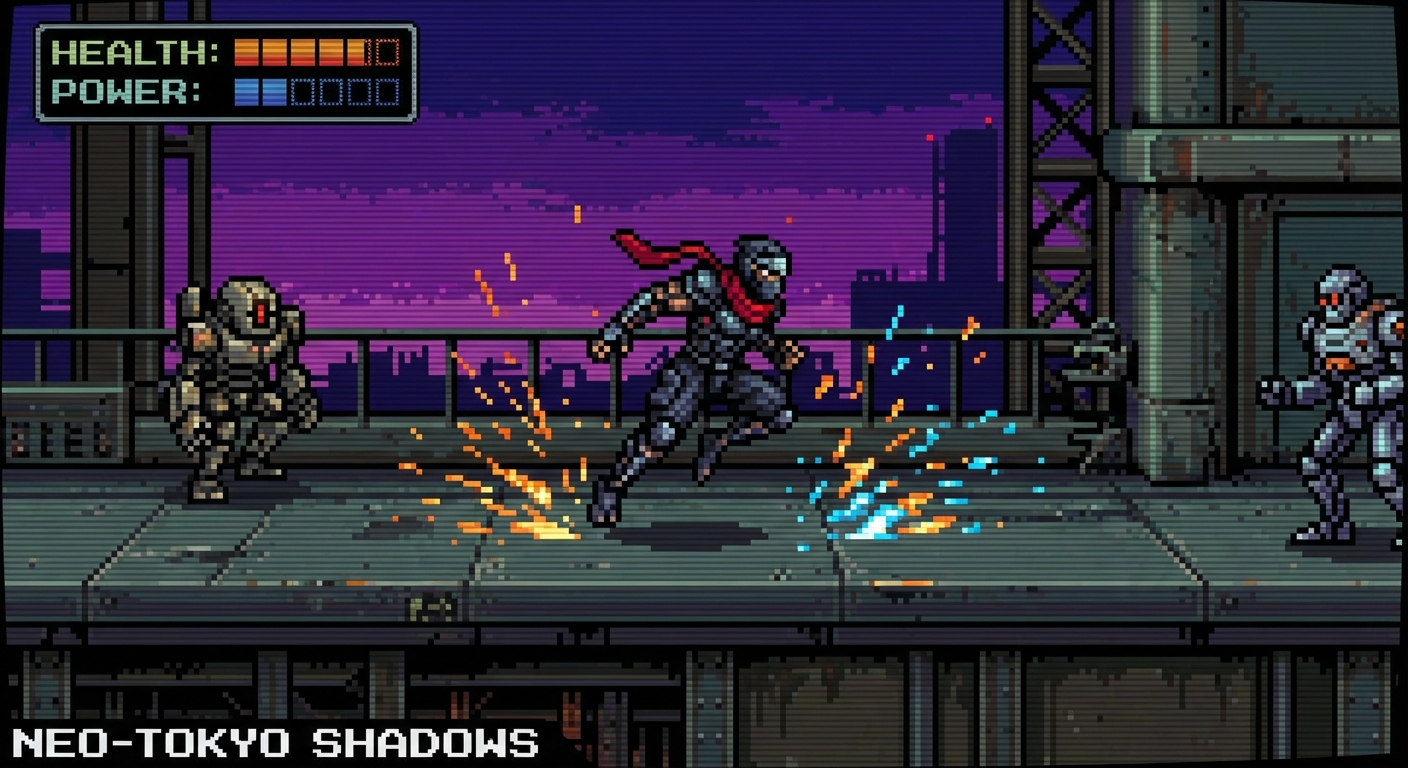
4) Hagane: The Final Conflict (CAProduction/Hudson)
The legend, the rental ghost, the collector wallet-killer.
Hagane combines ninja-action speed with platforming precision. It’s strict, but not random. Enemy placements are there to train route discipline: where to dash, where to short hop, where to commit with invuln windows.
Nerd note: It’s often discussed as a "myth game," but underneath the rarity hype is genuinely excellent encounter pacing.
5) DoReMi Fantasy: Milon no DokiDoki Daibouken (Hudson)
A Japan-only gem that deserves way more international love.
This is one of the SNES’s most charming platformers, but don’t mistake cute for shallow. Bubble-based attacks and bouncy traversal create this airy, toy-like movement model that stays engaging for a full run.
Why it matters: it proves "cozy" and "mechanically rich" can absolutely coexist.
6) Rocky Rodent (Irem)
Yes, the hair game. Yes, it’s real.
Rocky changes hairstyles as power-ups, and each style changes both offense and traversal utility. The concept could’ve been gimmick trash. Instead, it’s tightly integrated into stage logic.
Key takeaway: strong platformers teach the player by level architecture, not by tutorial popups. Rocky nails that.
7) The Great Circus Mystery Starring Mickey & Minnie (Capcom)
This one is polished Capcom platform craft with co-op flavor and excellent readability.
Costume changes provide clear verbs (climb, defend, hit in arcs) and the level design asks you to apply each verb in escalating patterns. It’s not ultra-hard, but it’s clean.
Why retro fans respect it: low jank, smart enemy cadence, and elegant co-op communication moments.
8) Goemon 2: Kiteretsu Shougun Magginesu (Konami)
Platforming + action-adventure + pure "90s Konami weirdness." That’s a compliment.
Side-scrolling platform sections are interleaved with exploration and set-piece energy that keeps pacing fresh. It’s mechanically less pure than Demon’s Crest, but culturally richer and endlessly re-playable with friends.
Nerd angle: This is where genre boundaries were still fluid and devs weren’t afraid to get weird.
9) Goemon 3: Shishi Juurokubei no Karakuri Manjigatame (Konami)
Even bolder than Goemon 2 in structure and tone shifts.
The platforming challenge comes less from raw execution and more from adaptation: different segments ask different movement and timing instincts. It’s a design style we now call "variety pacing," years before that was trendy.
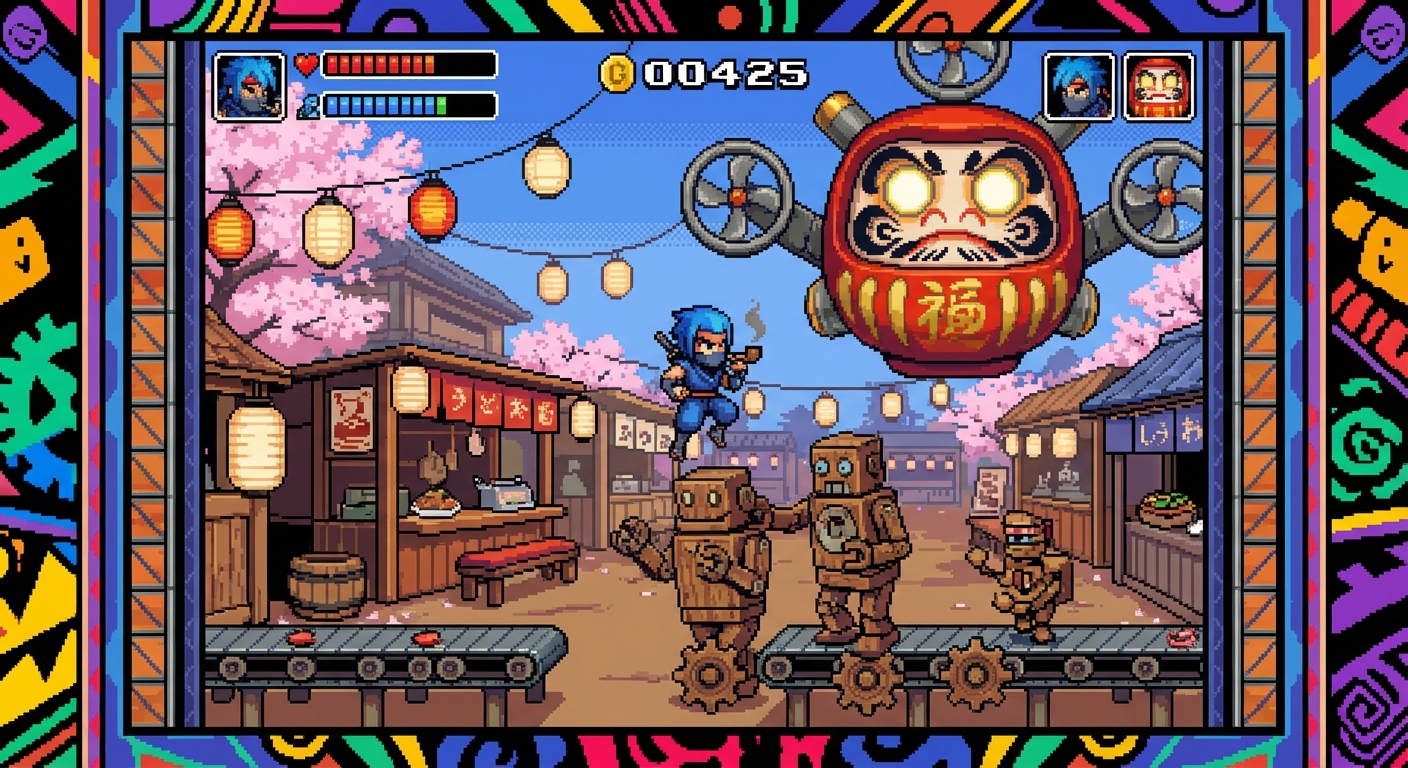
10) Run Saber (Atelier Double/DreamWorks)
More action-heavy than pure platforming, but absolutely in the conversation.
Run Saber rewards aggressive forward pressure while still demanding lane awareness and aerial timing. Think "anime cyber-ninja energy with clear arcade DNA."
Why it holds up: instant readability + low input lag feel + high commitment gameplay.
11) Nosferatu (SETA)
A cinematic horror platformer with a distinct identity.
It’s slower and moodier than most of this list, but that’s exactly why it stands out. Hit timing, spacing, and room pacing carry the tension. Not for everyone. For the right player, unforgettable.
Nerd note: Great example of atmosphere supporting mechanics, not replacing them.
What most people miss about this era
Here’s the part we care about most.
A lot of modern retro discourse reduces hidden SNES games to "underrated gems." That’s true but shallow. The deeper point is this era was a lab for platform design ideas:
- Movement-first identity was king. Games started from "how should this character feel?" not "what content can we stack?"
- Difficulty curves were handcrafted, not stat-inflated. Challenge came from pattern comprehension, not HP bloat.
- Mechanics were introduced through level layout, not pop-up text walls.
- Bosses tested verbs you already learned instead of inventing random one-off gimmicks.
- Replayability came from mastery, not grind loops.
That design DNA is exactly why these games still hit hard today.
How to play these games the right way in 2026
If you want the full experience (not just nostalgia sampling), do this:
- Commit to one game for a week. These games reveal depth after repeat runs.
- Play with a gamepad, low-latency setup. Control feel is everything in this genre.
- Run short sessions (20-40 min). Platformer mastery compounds better in focused bursts.
- Take notes on enemy patterns and risky jumps. Old-school, but insanely effective.
- Try co-op where available. A second player changes route decisions and pacing.
And if you’re playing on Rebit, this gets better fast: browser convenience, easy session switching, and netplay sessions when you want to compare routes with a friend.
A practical Rebit challenge: the hidden-platformer gauntlet
If you’re in the mood for a proper retro challenge, run this format with friends:
- Pick 3 games from this list
- 30 minutes each
- Score by: stage progress + deaths + clean boss clears
- Bonus point: no-save-state run segment
You’ll learn two things quickly:
- these "hidden" games are not second-tier at all, and
- SNES-era platforming depth is still absurdly high.
Final take
The SNES platform catalog is way bigger than the obvious classics. And honestly, some of the most interesting design work happened in the so-called B-tier releases.
That’s why we love digging through lists like this YouTube feature: not just for nostalgia, but for design archaeology. You start seeing how much modern platforming still owes to these experiments.
If you haven’t touched these yet, fix that this week. Start with Demon’s Crest or Skyblazer if you want tight fundamentals, then jump into Plok or Hagane when you’re ready for chaos.
And when you’re ready to run them with friends, test routes, or settle score debates the proper way, we’re here.
Play retro games online with your crew on Rebit: rebit.cc
For the system setup, start with play SNES games online. For group route races or score-debate nights, use play SNES games online with friends and the broader retro netplay hub.
Rebit does not provide SNES ROM downloads. Bring legally owned game files, then use browser play, save states, and netplay rooms to make these old platforming challenges easier to revisit with friends.