The source video argues these 11 DOS picks still work for one simple reason: they are built on strong design loops, not production bloat. You can feel that immediately in how each game communicates rules, punishes bad habits, and rewards mastery. No battle pass, no filler, just systems doing real work.
1) Wolfenstein 3D (1992)
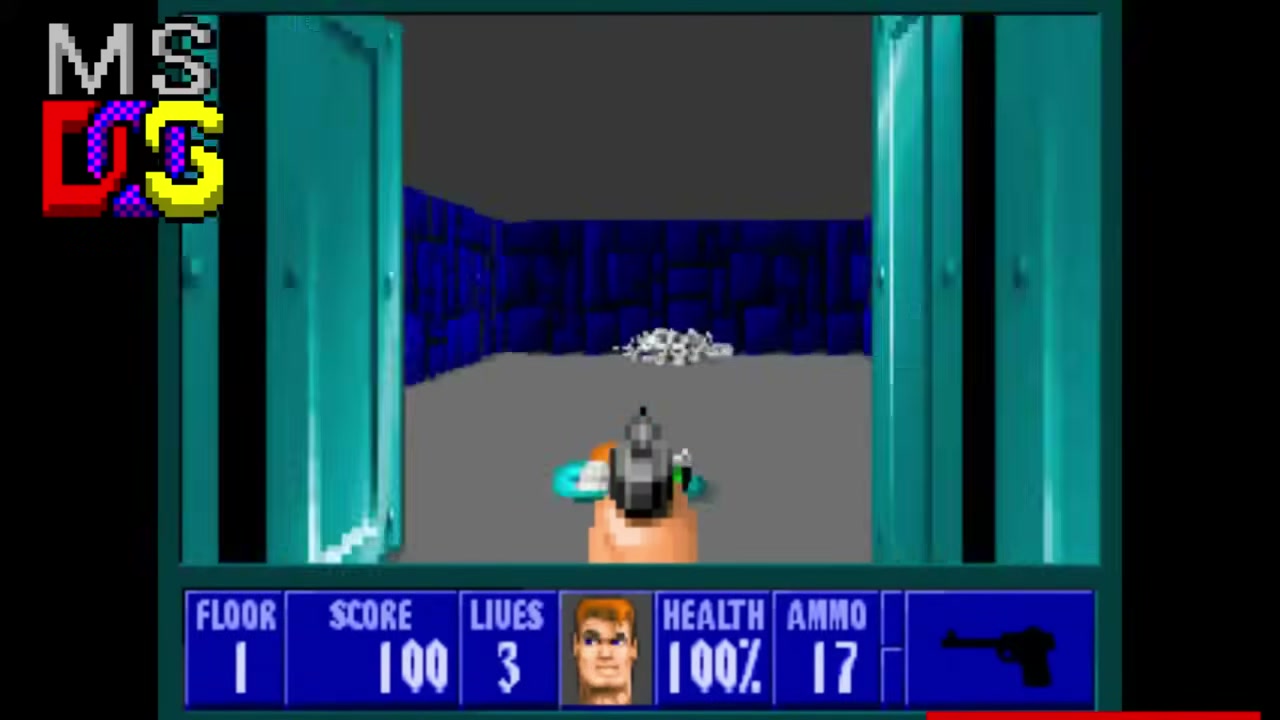
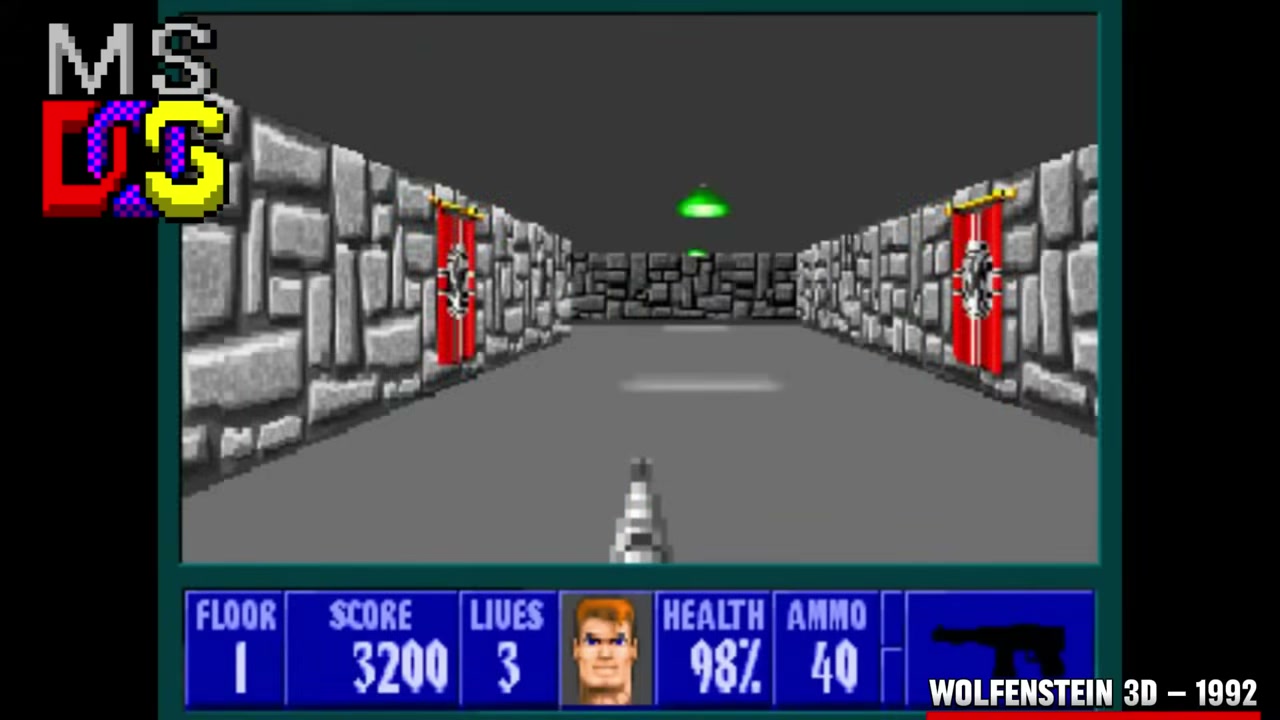
As the video frames it, Wolfenstein 3D is less about visual complexity and more about readable pressure. Corridor geometry, instant enemy callouts, and fast weapon escalation create a loop where spatial memory matters as much as aim. The pseudo-3D trickery is technically simple by current standards, but design-wise it still nails rhythm: clear threat, quick decision, hard consequence.
2) The Lost Vikings (1992)
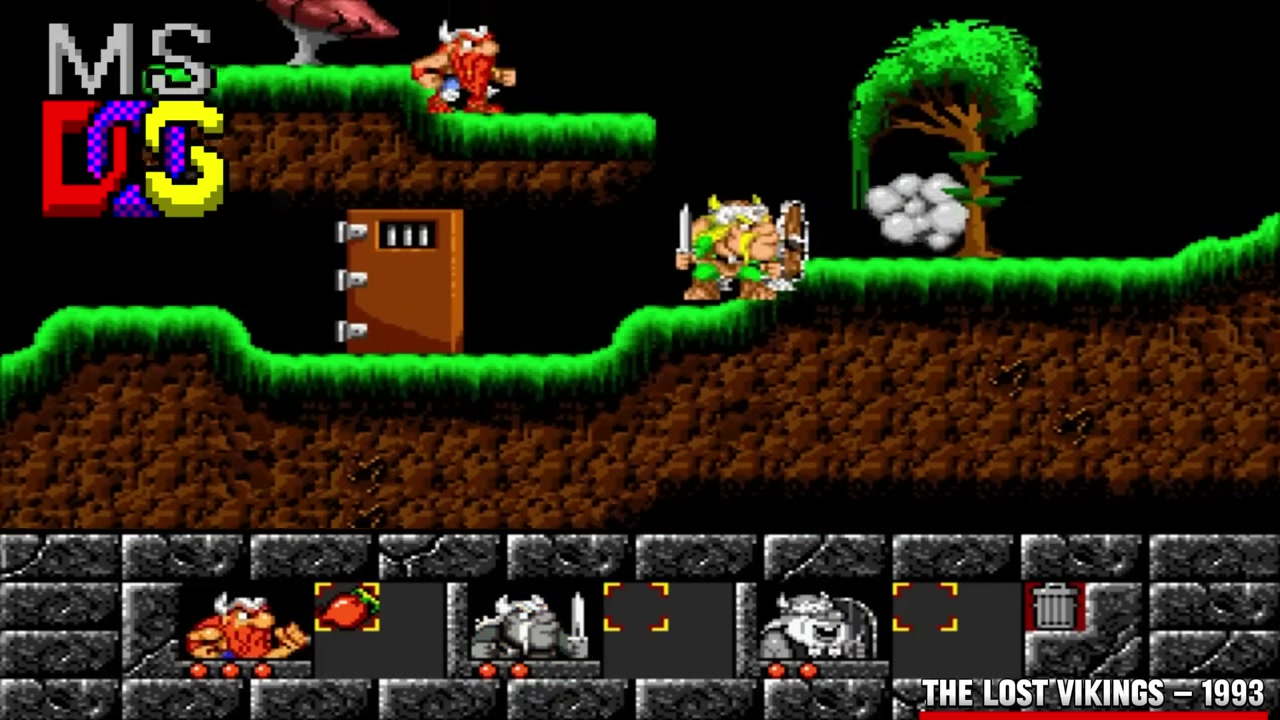
The key point in the source is role interdependence. Erik, Baleog, and Olaf are not optional flavor; they are a puzzle grammar. One character opens routes, one controls combat space, one protects and repositions. That enforced switching turns every level into a timing puzzle where success comes from sequencing skills, not brute force.
3) Jazz Jackrabbit (1994)
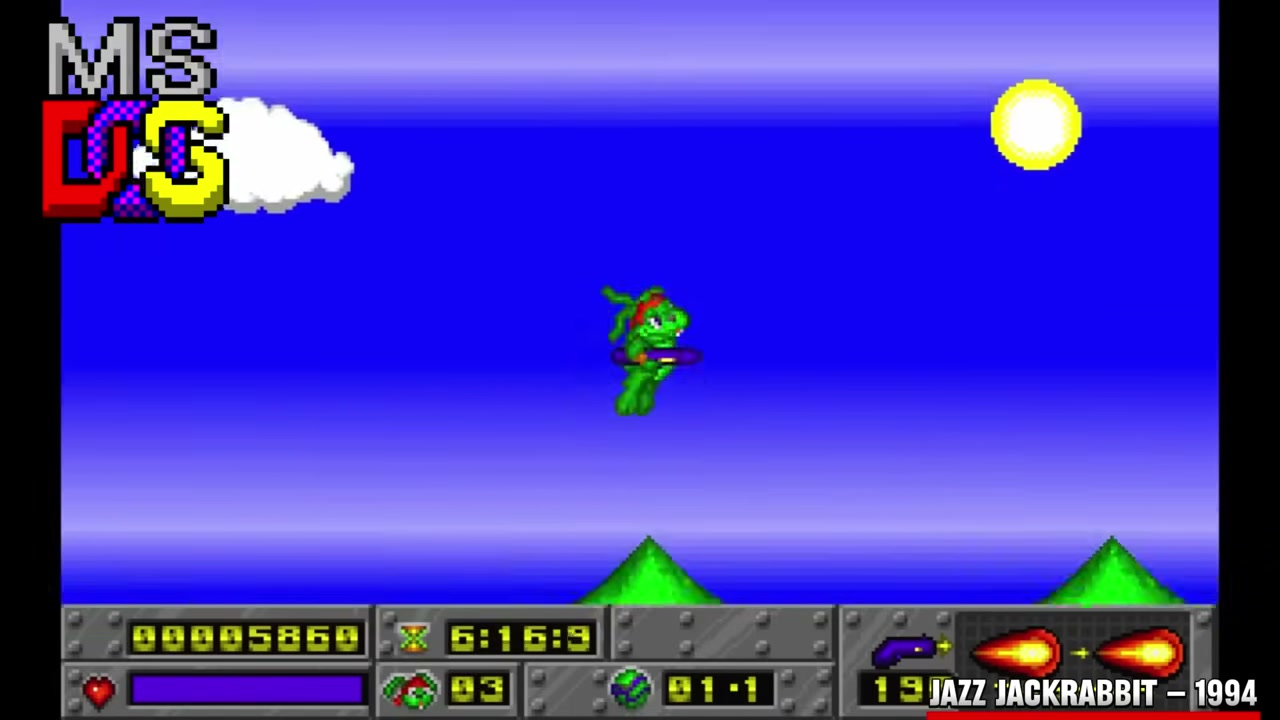
The video highlights momentum as the real star here. Jump arcs and traversal range depend on speed, so movement itself becomes a resource you manage. Add weapon variety and episode structure on top, and Jazz stops being a "PC Sonic clone" narrative and becomes a distinct action-platformer tuned around velocity control.
4) Prince of Persia (1989)
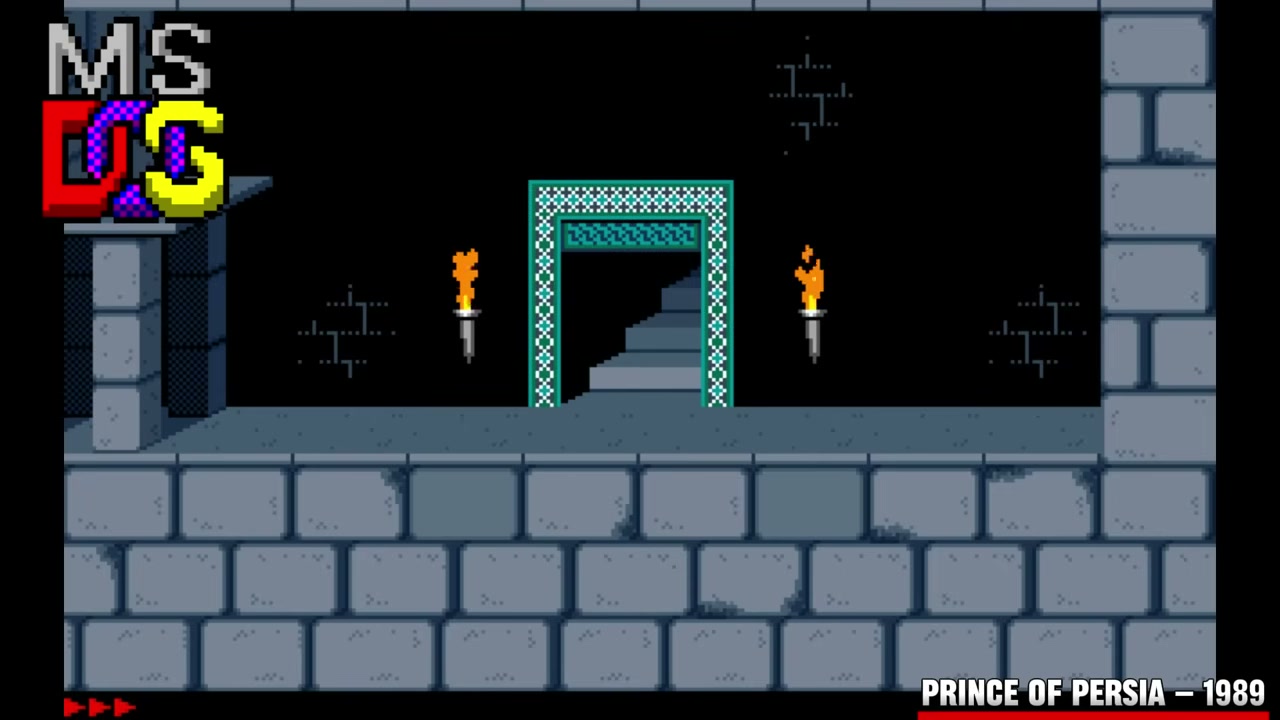
Jordan Mechner's rotoscoped animation gets the spotlight for good reason, but the deeper win is temporal design. A strict 60-minute limit transforms each room into risk management: do you play safe around spikes and guillotines, or push for pace and risk a reset? Sword duels, trap timing, and that mirrored doppelganger sequence keep tension high without needing complicated UI systems.
5) Dangerous Dave (1988)
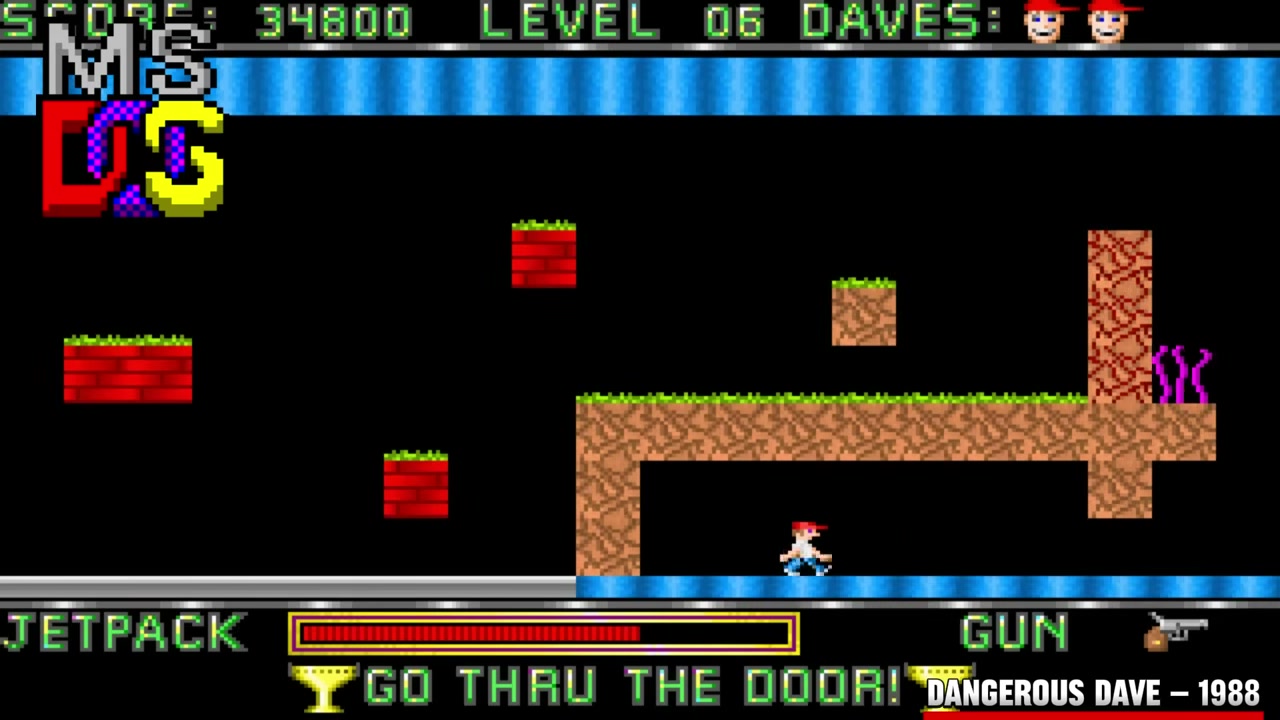
The source video calls out its deceptively harsh structure: finishing a stage is not enough, you must locate the trophy to progress. That single rule changes player behavior from "run to exit" into "learn the whole map." Add odd-feeling jumps, limited survivability, and warp-zone routing, and you get an early example of platform design that teaches through failure.
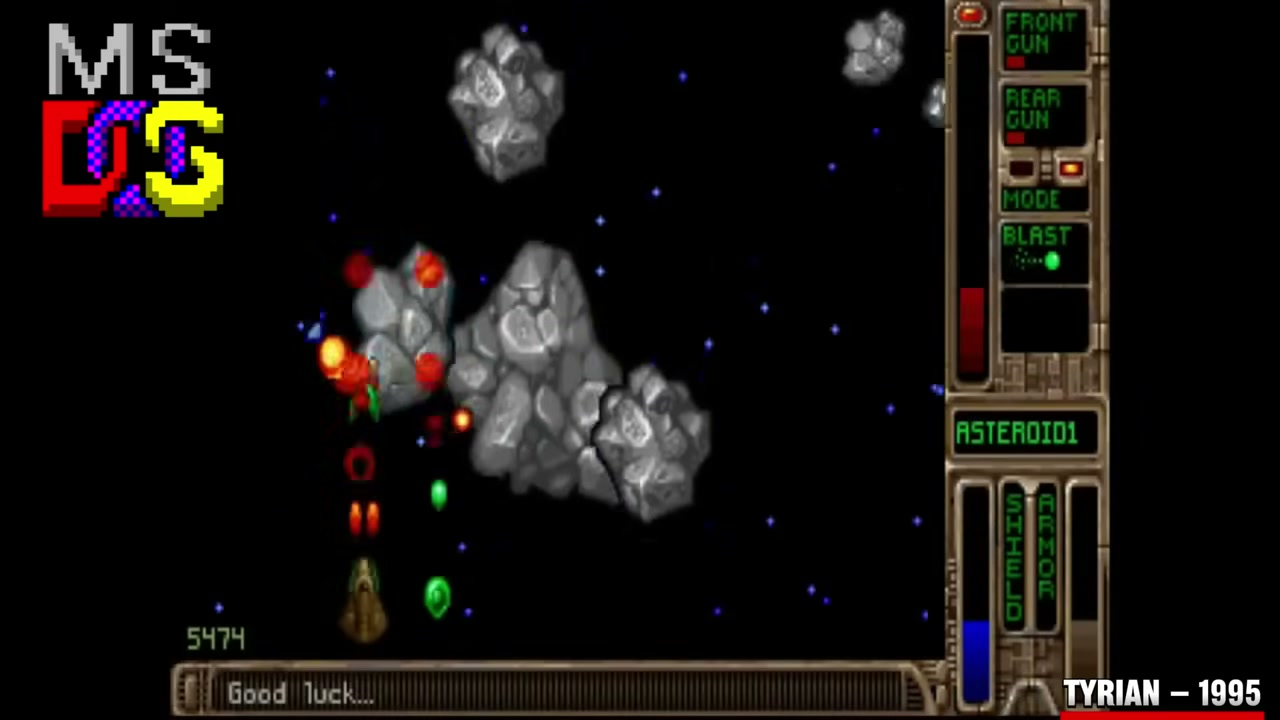
6) Tyrian (1995)
Tyrian's standout feature in the video is systemic loadout depth. Front and rear weapons, generators, armor, and shields all shape playstyle, while shops convert performance into long-term build choices. In other words, it mixes arcade reflex with light economy strategy, which is why replay value stays high long after first completion.
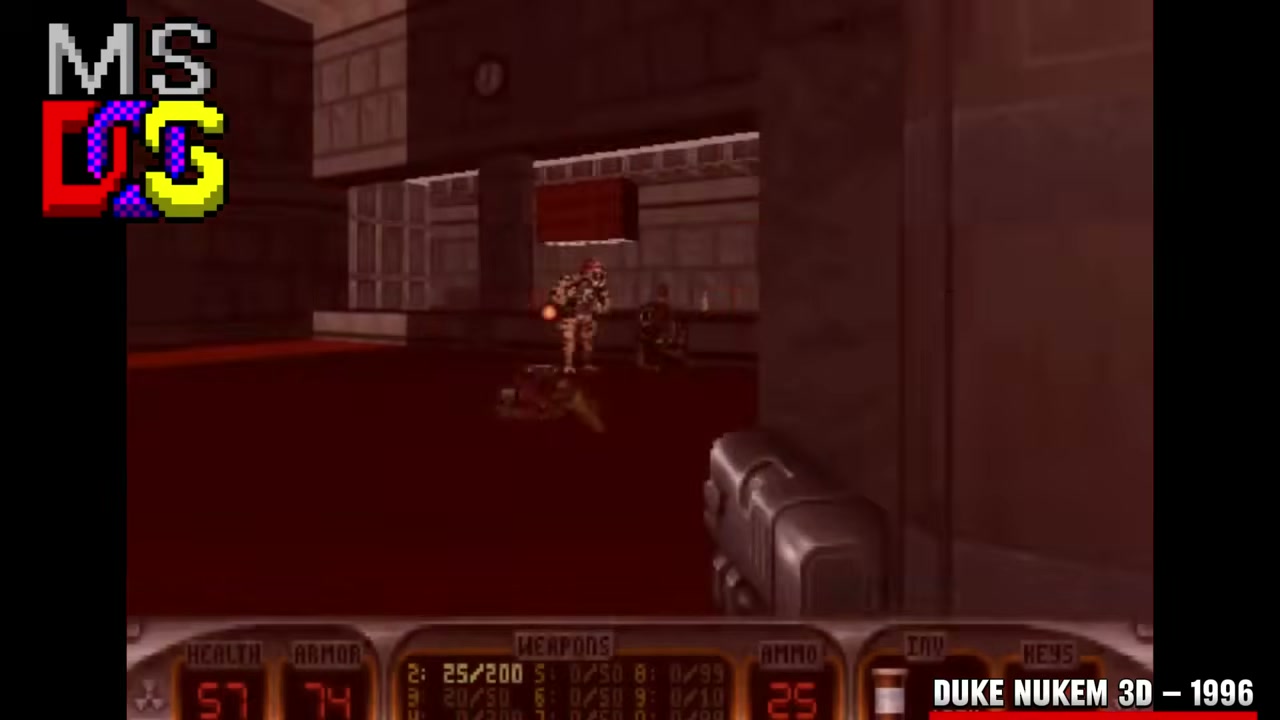
7) Duke Nukem 3D (1996)
The argument here is identity plus interactivity. Duke's personality is loud, but what keeps the game alive is how combat flows through reactive spaces, vertical threats, and weapon cadence. The video also notes how later anniversary updates improved readability (crosshair, 3D options) without erasing the original 2.5D level logic.
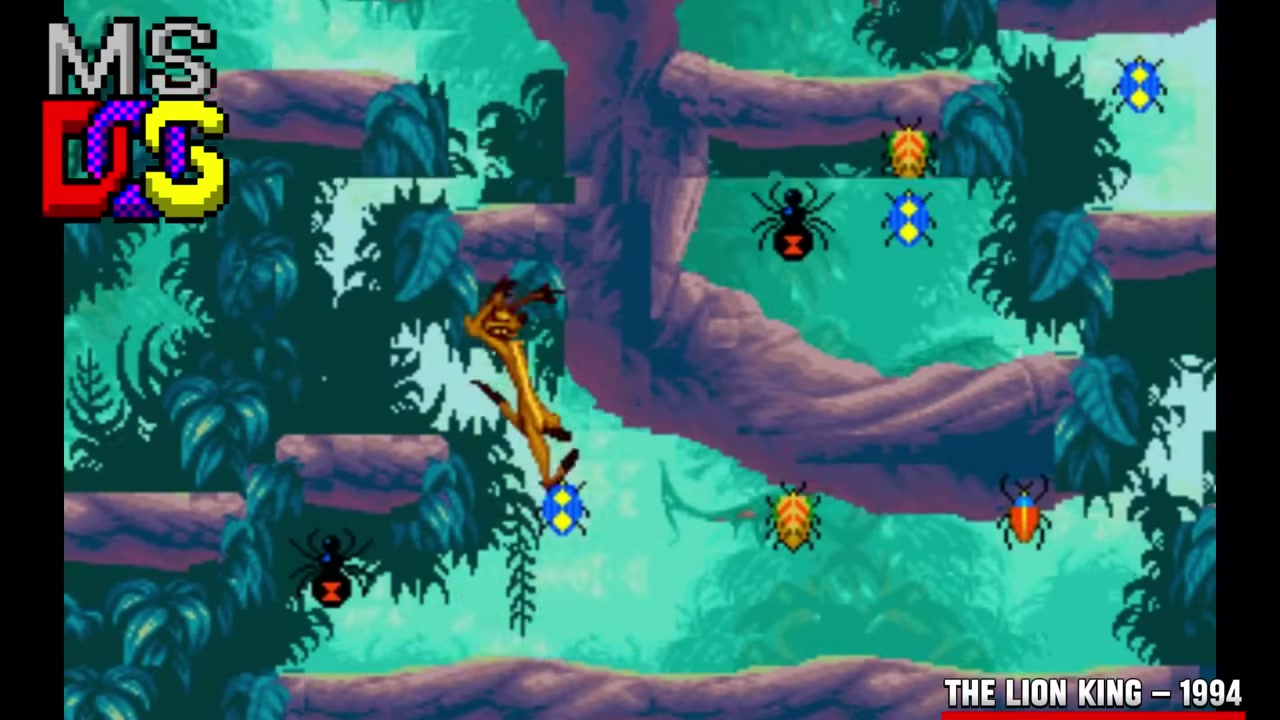
8) The Lion King (1994)
This adaptation works because mechanics evolve with character arc. Cub Simba relies on movement and roar control, then adult Simba introduces more direct combat verbs. The source emphasizes how difficulty remains strict through instant-death hazards, making progression feel earned instead of scripted.
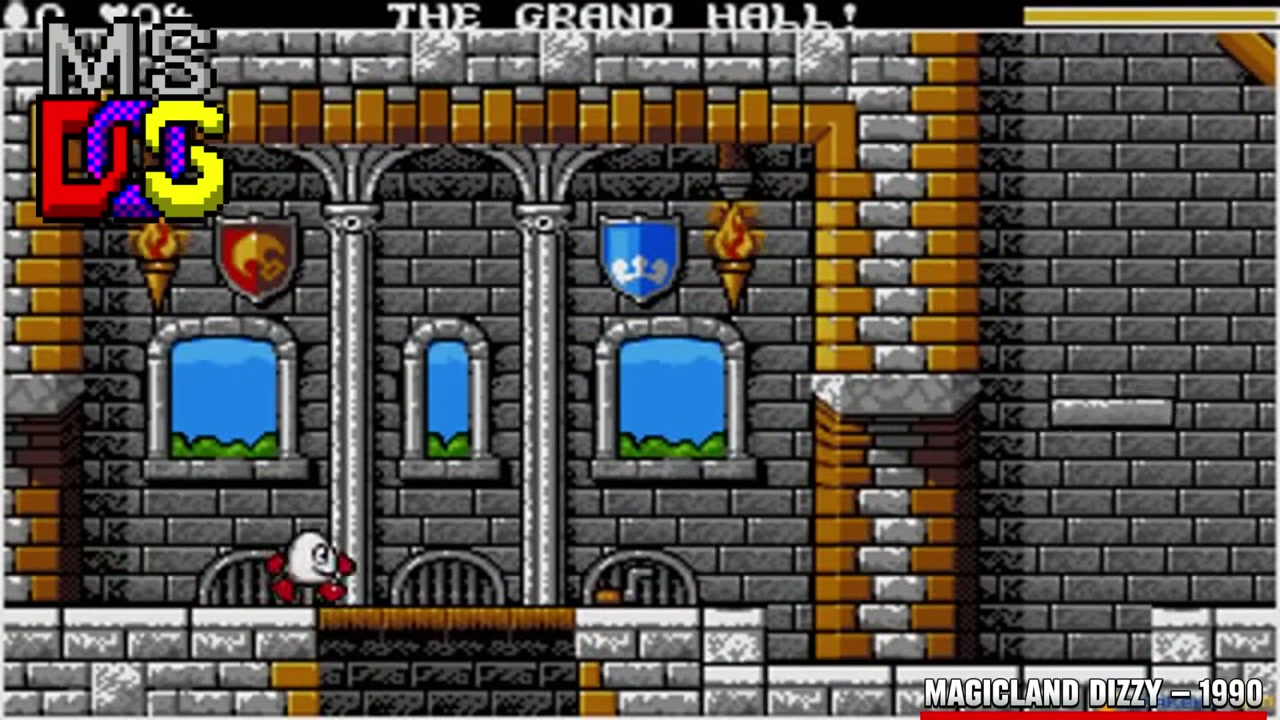
9) Magic Land Dizzy (1990)
The video's strongest point is world logic. Flip-screen traversal, limited inventory slots, and object-use puzzles force mental mapping of the entire space. It is slower and more methodical than action-heavy DOS hits, but that deliberate pace is exactly why puzzle payoffs feel satisfying.
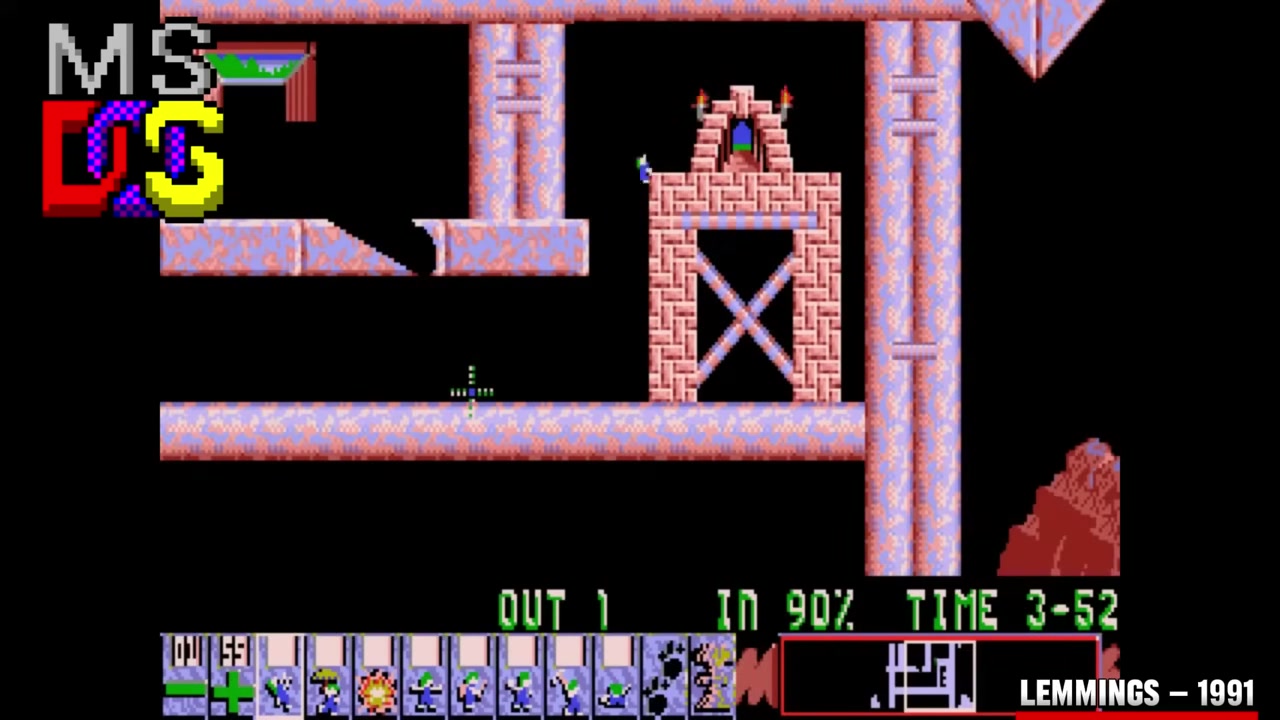
10) Lemmings (1991)
Lemmings turns chaos into design clarity. The source breaks it down: eight role assignments, limited uses, and strict level constraints create a constant triage loop. You are not controlling a hero, you are managing a small disaster system in real time.
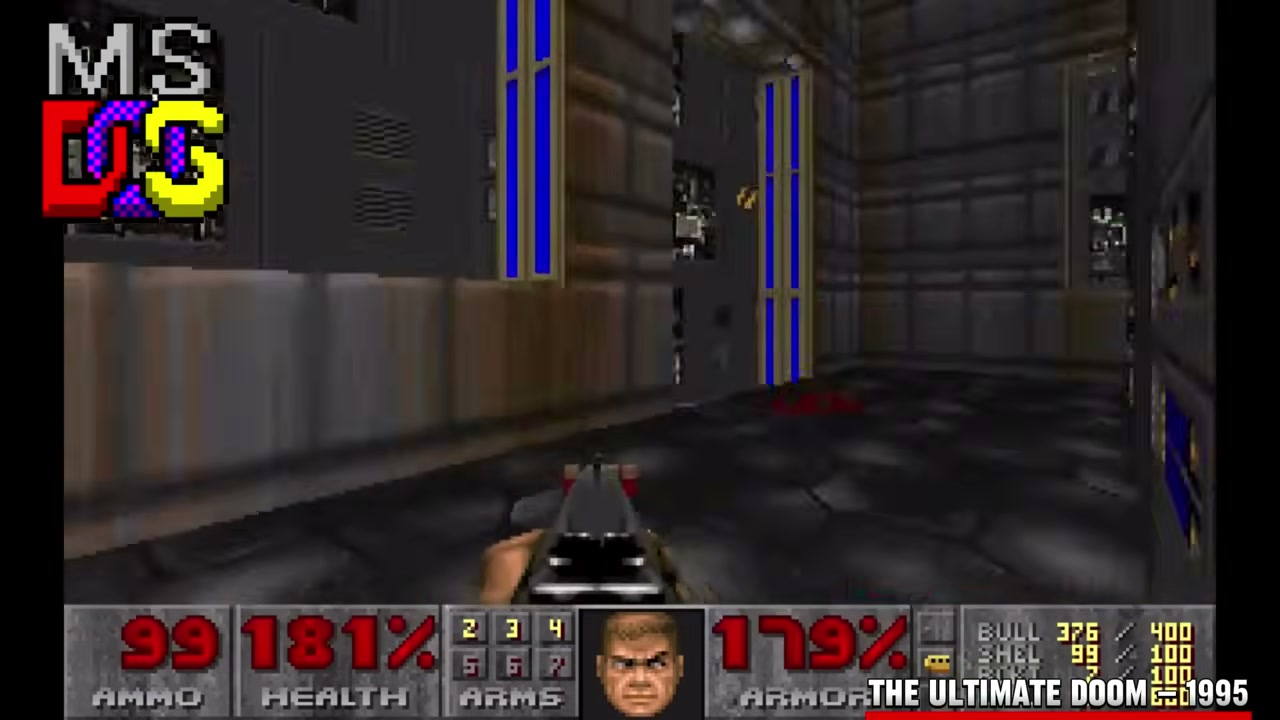
11) The Ultimate Doom (1995)
The video treats The Ultimate Doom as a definitive packaging of core Doom design plus extra pressure through the fourth episode, Thy Flesh Consumed. Fast movement, enemy-density spikes, and maze-heavy maps still feel mechanically clean because every encounter resolves into readable positioning and resource decisions.
What ties all 11 together is that they respect the player's brain. These games are direct about rules, ruthless about mistakes, and generous with mastery payoffs. That design philosophy ages better than visuals ever could.
Use Rebit for the console side of that same habit
Rebit is focused on browser-based retro console libraries, but the same design lesson applies: short sessions work better when the setup disappears. Start with play retro games online, use upload ROM and play online for your legally owned files, and keep cloud saves for retro games in mind for longer campaigns.