We've all been there: it's a Friday night in the 90s, you're standing in the aisle of a Blockbuster video, and you pick a game purely because the screenshots on the back of the box look absolutely mind-blowing. The Super Nintendo was the wild west for pixel artists pushing the absolute limits of color palettes, massive sprites, and hardware tricks.
But man, did some of these development studios sell us a lie.
Sometimes, teams poured so much cartilage space, engineering sweat, and VRAM budget into making a game look like a "next-gen" masterpiece that they completely abandoned the underlying physics, hitboxes, and game loops. These 10 SNES games completely lied to us. They used custom chips and incredible animation cycles to look like absolute top-tier system sellers—but the minute you took the controller in your hands, the illusion completely shattered.
1. Judge Dredd
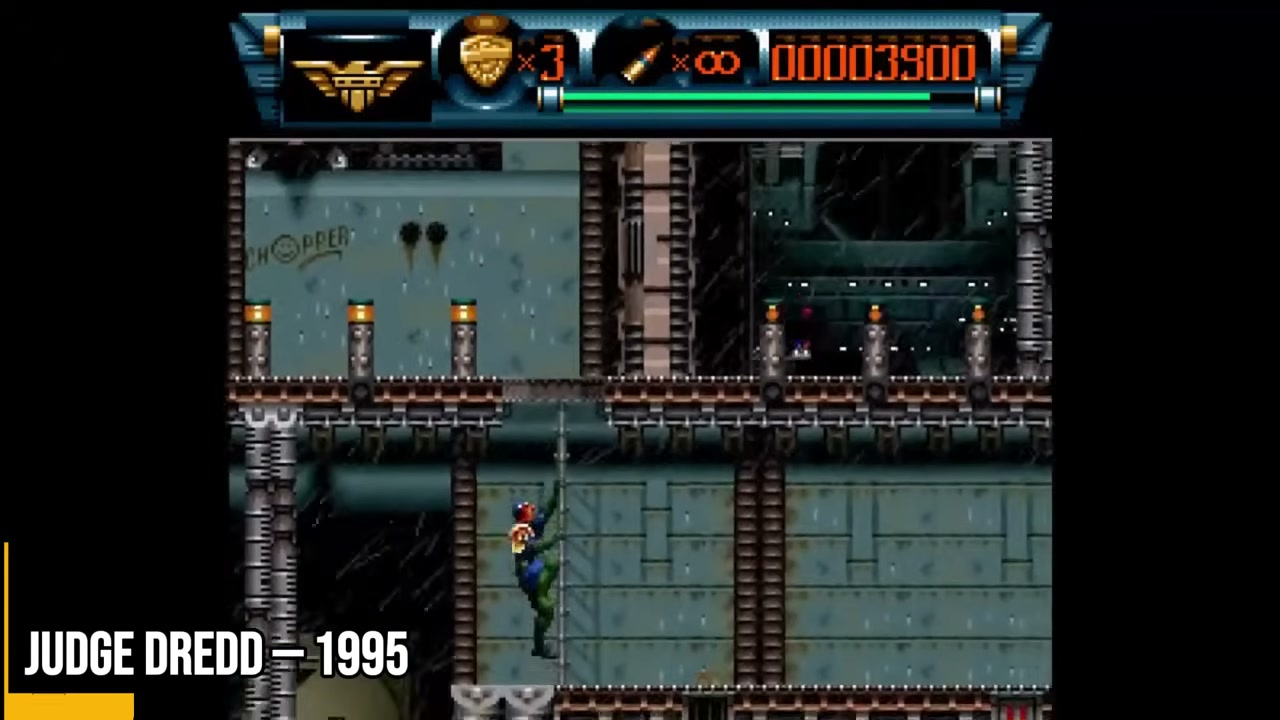
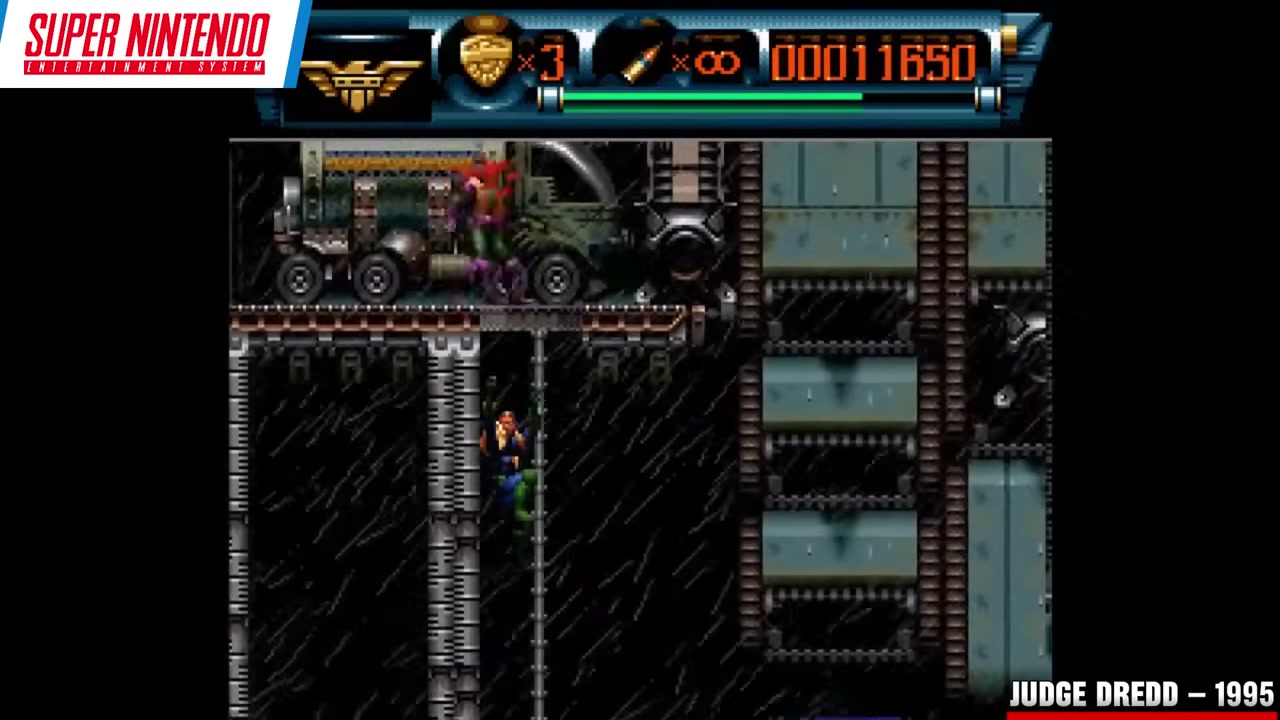 If you loved the 90s comic book aesthetic, Judge Dredd looked like an absolute dream. The pixel artists worked overdrive on the SNES hardware to push incredibly dense, grungy dystopian backgrounds with multi-layered parallax scrolling that made the world feel deep and alive.
But actually trying to play it? It’s a total nightmare. That stunning visual wrapper hides some deeply confusing, maze-like level layouts. Worse, the shooting relies on these sluggish, delayed projectile hitboxes that feel totally disconnected from the gorgeous sprite animations on screen. Your jumps feel floaty, like your dystopian boots are filled with helium instead of lead. They wanted a game that looked amazing in Nintendo Power magazines, but they totally forgot to make the run-and-gun loop feel responsive.
2. Jurassic Park 2: The Chaos Continues
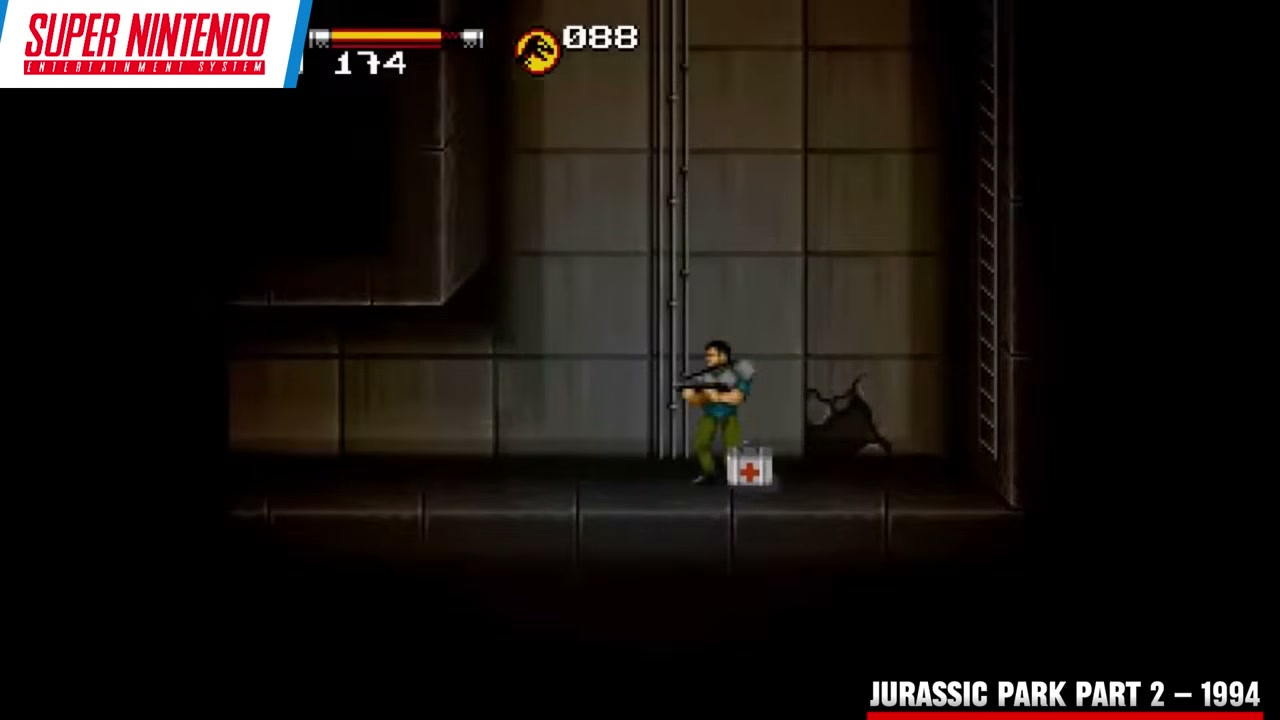 Ocean Software was legendary for trying to squeeze blockbuster cinematic aesthetics onto 16-bit hardware, and Jurassic Park 2 is pure eye candy. The dinosaur sprites are massive, screen-filling beasts, and the atmospheric lighting effects gave the whole game this incredibly premium, dark tone.
The catch? The camera is zoomed in so tight to show off those beautiful, massive sprites that you have a massive blind spot holding you back. You are routinely punished by dinosaurs lunging at you from off-screen. It forces you to make blind leaps of faith with a rigid, heavy control scheme that was clearly built for animation fidelity, not twitch-action survival. It’s gorgeous to look at, but it'll make you want to throw your controller at the wall.
3. Doremi Fantasy
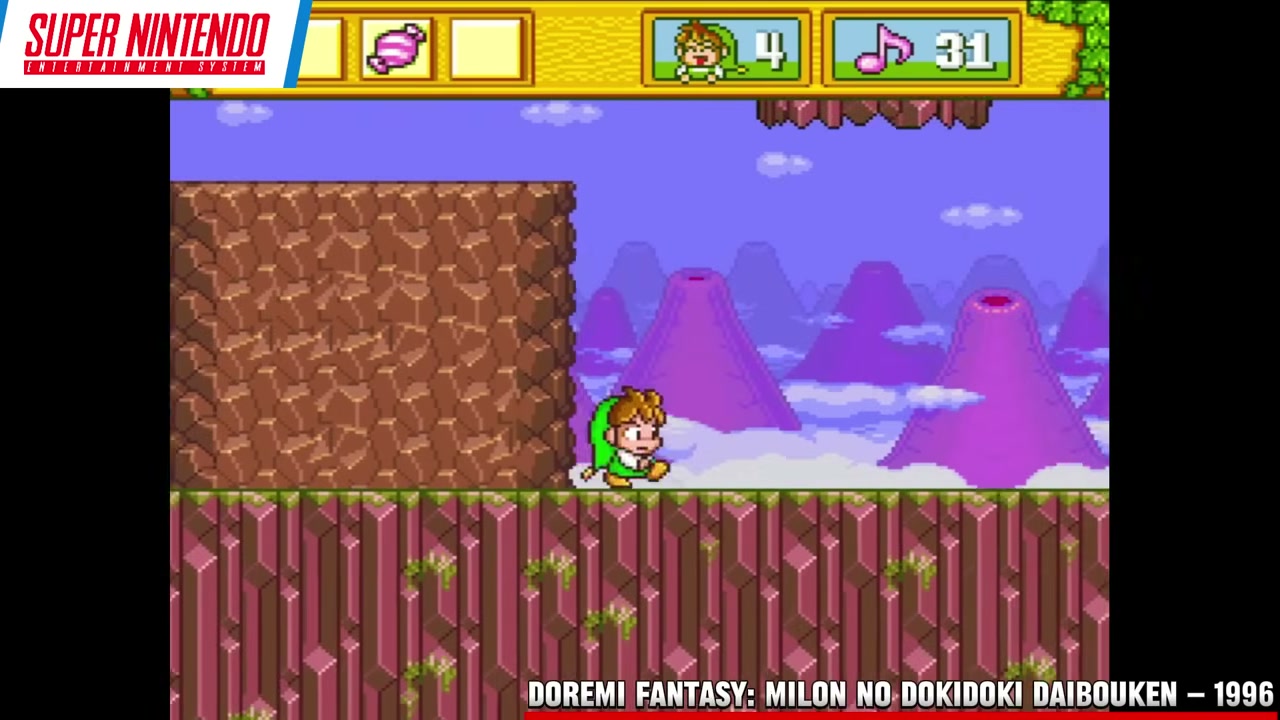 Released late in the Super Famicom's life cycle by Hudson Soft, Doremi Fantasy is a masterclass in utilizing the SNES's 256-color display mode. The frame-by-frame animation is absurdly expressive, looking less like a standard tile-based platformer and more like an interactive, high-budget anime broadcast.
But once the awe wears off, you realize you could basically beat this game in your sleep. Underneath the breathtaking art is a physics engine that feels stuck in 1990. There's no complex momentum, no interesting slope physics, and zero mechanical hooks. It’s an incredibly beautiful, polished shell wrapped around a totally hollow, overly safe platformer that never pushes you to actually play better.
4. Jungle no Uja Tar-chan
 Based on the anime, this Bandai platformer commands your attention immediately. The devs clearly dumped massive amounts of ROM space into the sprite memory banks to ensure Tar-chan's combat movements looked snappy, heavy, and arcade-perfect.
Then you reach the later stages, and the lie is exposed. Because the main character sprite is so huge and detailed, your hitbox is roughly the size of a minivan. Trying to dodge the barrage of cheap, poorly-placed enemy projectiles becomes an exercise in pure frustration. The level design aggressively devolves into tedious, unfair spam—proving once again that smooth animation frames can't patch over a garbage encounter design.
5. Mazinger Z
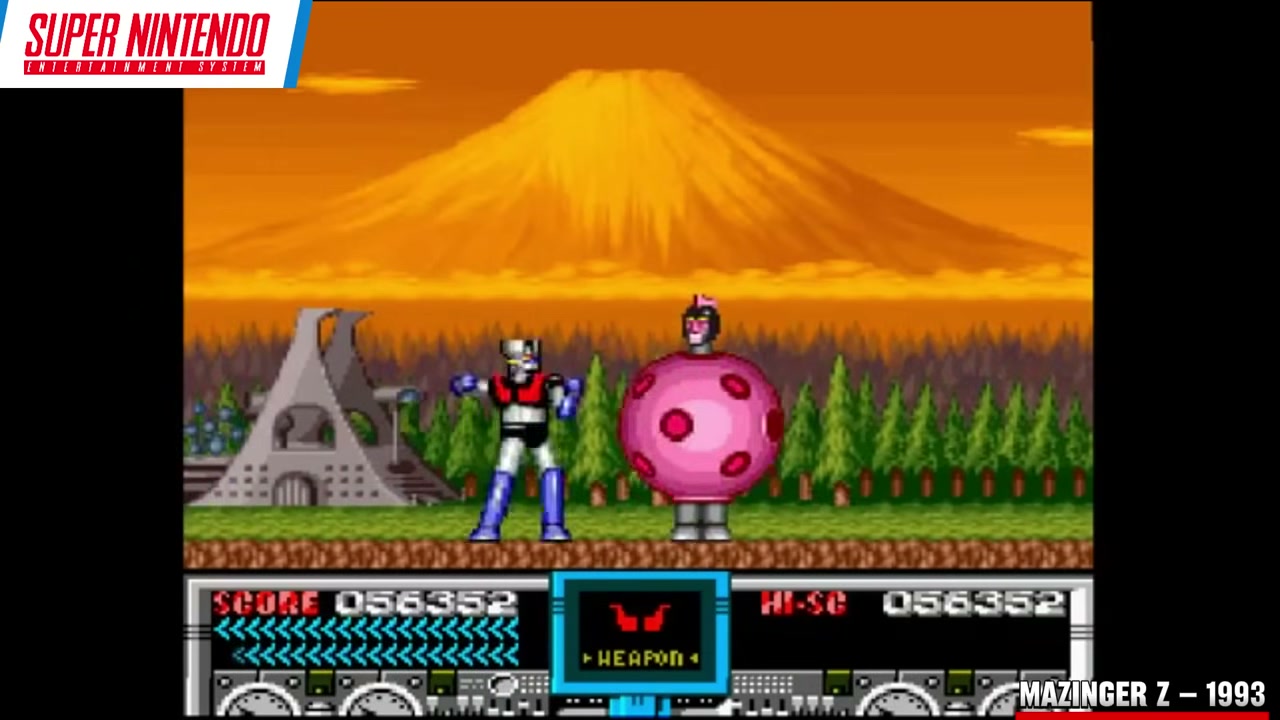 Every mecha fan wants to pilot a giant robot, and Mazinger Z delivered on the visuals by pushing the SNES Picture Processing Unit (PPU) to the absolute brink. Drawing mechs this big without massive sprite flicker requires insane VRAM management, and in stationary screenshots, it looks incredibly weighty and dominant.
But to fit those massive player sprites into 64KB of VRAM, the devs had to ruthlessly downgrade everything else. Enemy variety? Gone. Animation frames? Chopped. Combat logic? Non-existent. You spend the entire game spamming the exact same, mind-numbingly repetitive attack sequence against the same cloned enemies. It’s a tech demo masquerading as a beat 'em up.
6. Miracle Girls
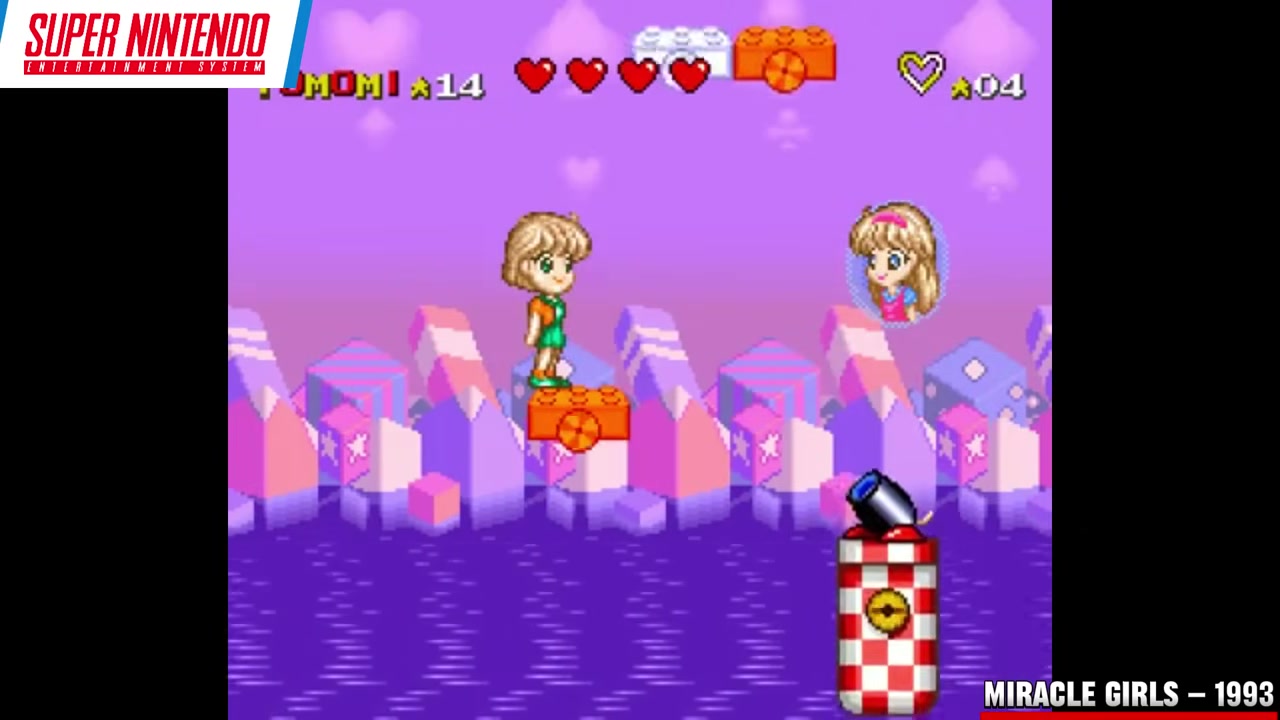 Showcasing the absolute best of the system's soft, pastel palette, Miracle Girls features huge characters and flawless transparency effects for magic spells. It honestly looks like a premium, masterfully crafted puzzle-platformer.
But when you jump, you immediately feel the lack of engineering. The jump arc is entirely baked-in and static—you have absolutely no mid-air momentum control. It handles like a cheap Tiger Electronics handheld game. It is the ultimate exercise in style over substance, hiding entirely forgettable mechanics behind a beautiful coat of pastel paint.
7. Asterix
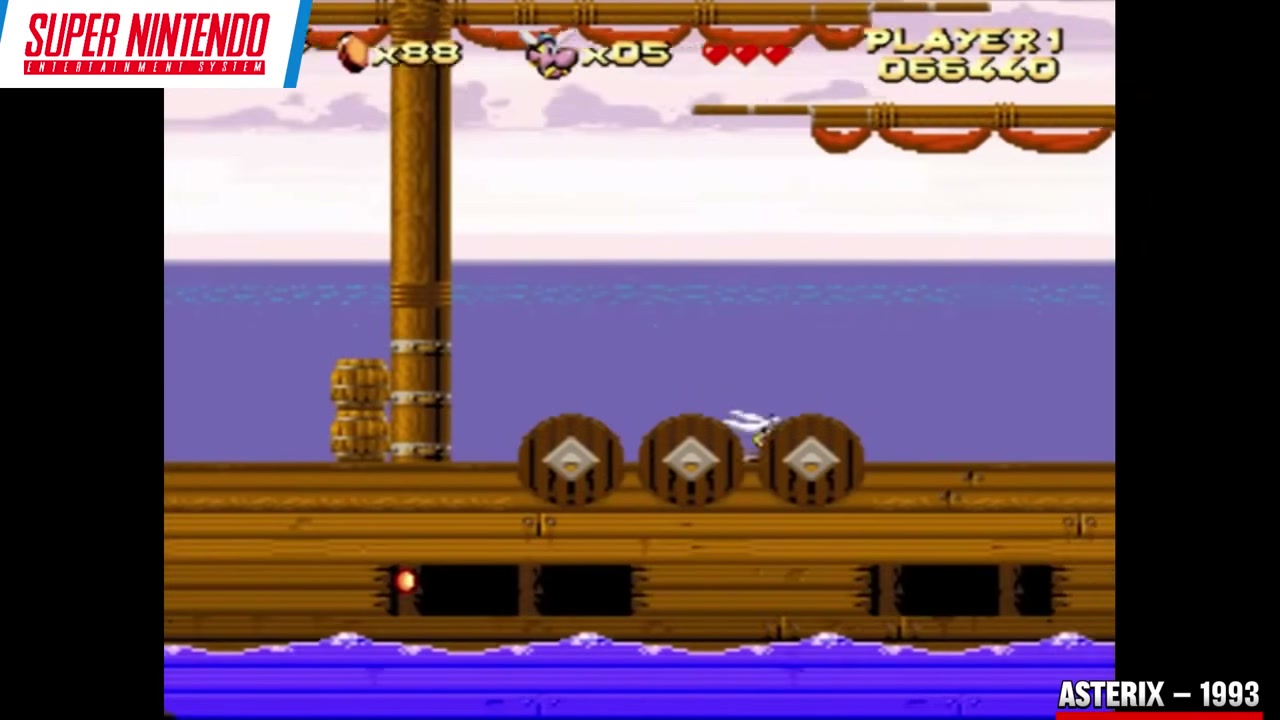 Infogrames has a legendary art style, and this game looks like a vibrant love letter to Super Mario World. The environment tiles pop, and Asterix has incredibly expressive idle and movement animations that give the game a ton of personality.
Then you hit the D-Pad, and it feels like Asterix has butter slathered on the bottom of his sandals. The deceleration curve is hyper-slippery. The run-speed acceleration and jumping physics constantly betray you, resulting in you sliding right off cliffs you definitely meant to stop on. It transforms what looks like a joyful romp into a pure test of patience against broken input accuracy.
8. Virtual Bart
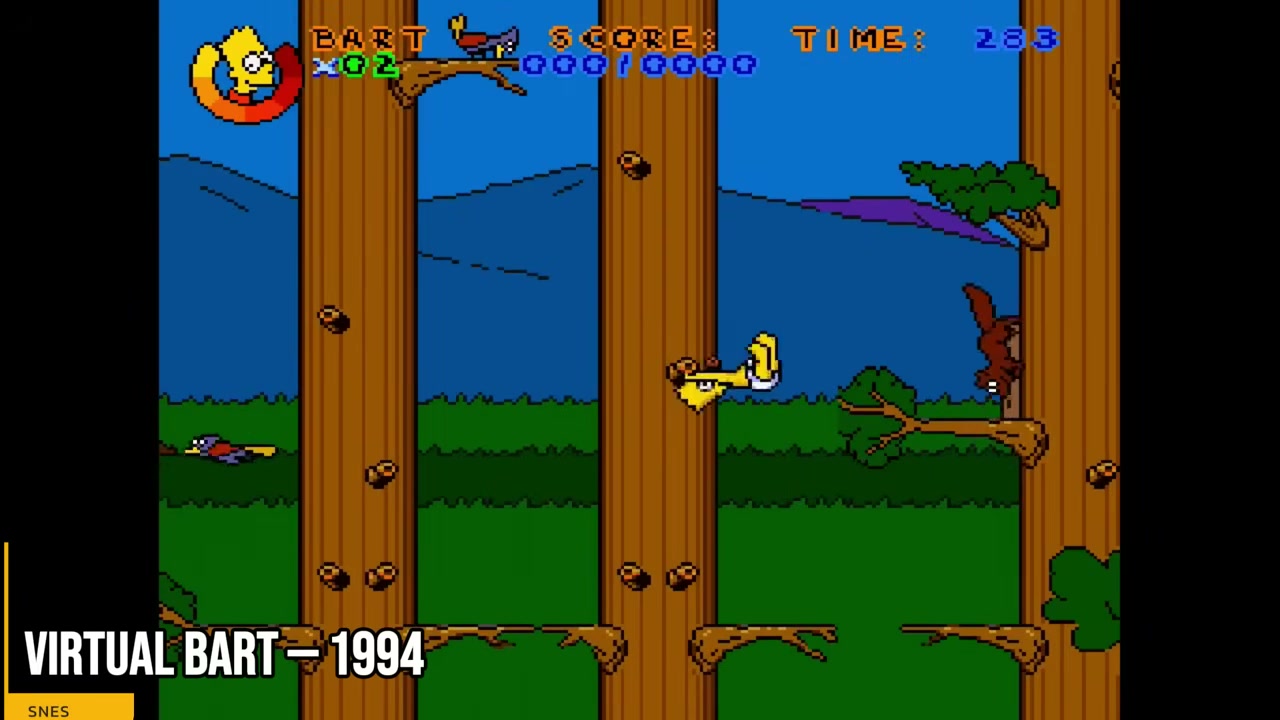 You honestly have to respect the sheer pipeline ambition of Virtual Bart. The absolute madmen at Sculptured Software tried to load totally different game engines into the RAM on the fly: isometric 3D for a bike stage, a Mode 7 scaling engine for a water slide, and 2D physics for dinosaur platforming. It throws wildly different frameworks at you every level, keeping the visuals fresh and incredibly true to The Simpsons' aesthetic.
But because they had to build six different mechanical engines, absolutely none of them got properly playtested. The input delay is heavy, the collision detection is janky across the board, and the wildly inconsistent physics make navigating these beautiful Springfield environments an absolute chore.
9. Stunt Race FX
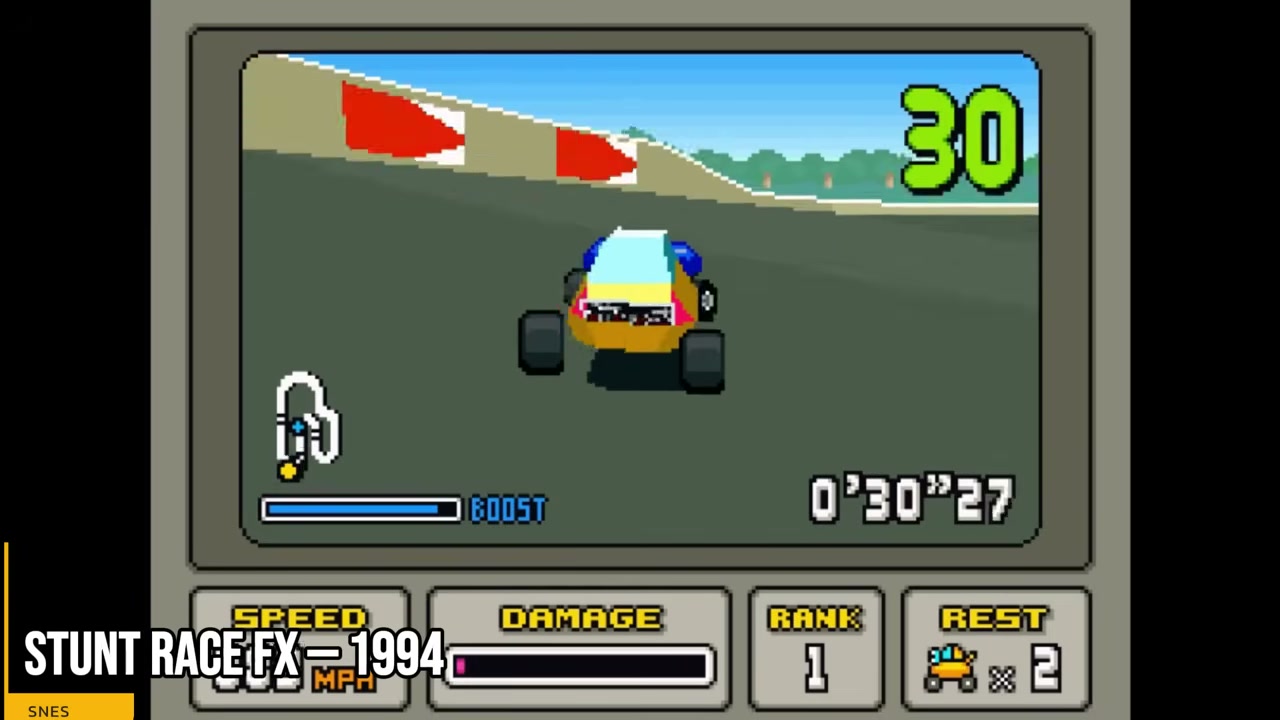 Stunt Race FX was built as pure flexing rights for the SNES's custom Super FX chip. That little cartridge-mounted RISC processor was calculating 3D geometric math natively, rendering true 3D polygons with working suspension physics on a 16-bit console in 1994. From a purely technical standpoint, it is a staggering achievement.
The cost? Shuttling all that polygon math through the narrow SNES data bus caused a massive bottleneck. The game notoriously chugs along at a painful 10 to 15 frames per second. The input response feels like you're trying to steer a truck through wet concrete, completely destroying the actual thrill of racing. It’s an incredible tech demo, but an agonizing game.
10. The Combatribes
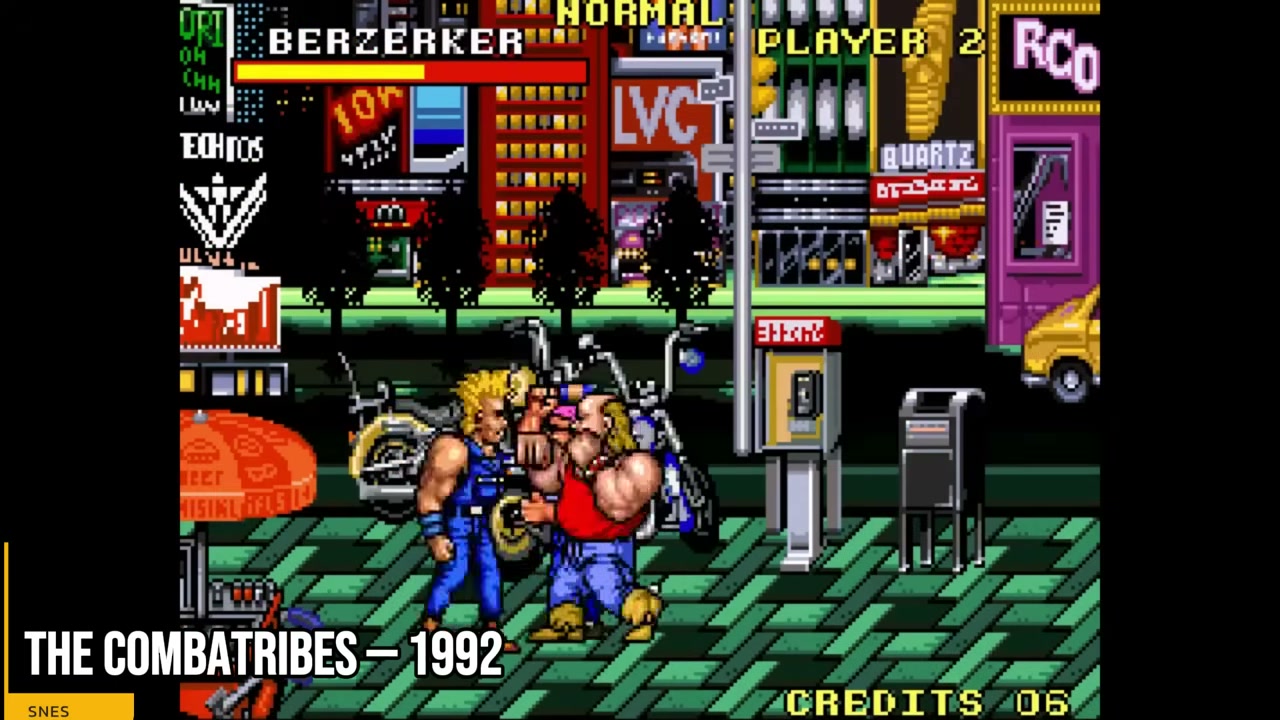 Porting a high-powered Technos arcade brawler to a consumer SNES cartridge meant making brutal sacrifices. The devs admirably managed to retain the game's massive, highly detailed brawler sprites, which completely tricked us into thinking we were getting an arcade-perfect port for our living rooms.
To fit those massive sprites onto the ROM, they surgically gutted the game's logic. All the juicy depth from the arcade original was stripped out. Hitstun animations were cut, AI was lobotomized, and we're left with an incredibly shallow two-button combat system. It's a stark, sad reminder that preserving massive sprites on the SNES often meant sacrificing the very soul that made the game fun to play in the first place.
Play the better SNES picks with better context
When presentation and play actually line up, SNES is still one of the best systems to revisit. Start with play SNES games online, then use play SNES games online with friends if you are planning a shared session. For latency-sensitive games, keep the fix retro netplay lag checklist nearby before judging the controls.
On Rebit, that revisit starts with your own legally owned game files. Rebit does not provide SNES ROM downloads; it gives you the browser library, saves, and netplay layer for games you already have the right to use.