Before the word "Metroidvania" existed, designers were already building its grammar: interconnected maps, backtracking loops, movement-gated progression, and worlds that made curiosity feel like a mechanic. The source video makes a strong case that this genre DNA did not appear overnight with one iconic release. It evolved through multiple systems, often in games people only discovered years later.
1) Vampire Killer (MSX)
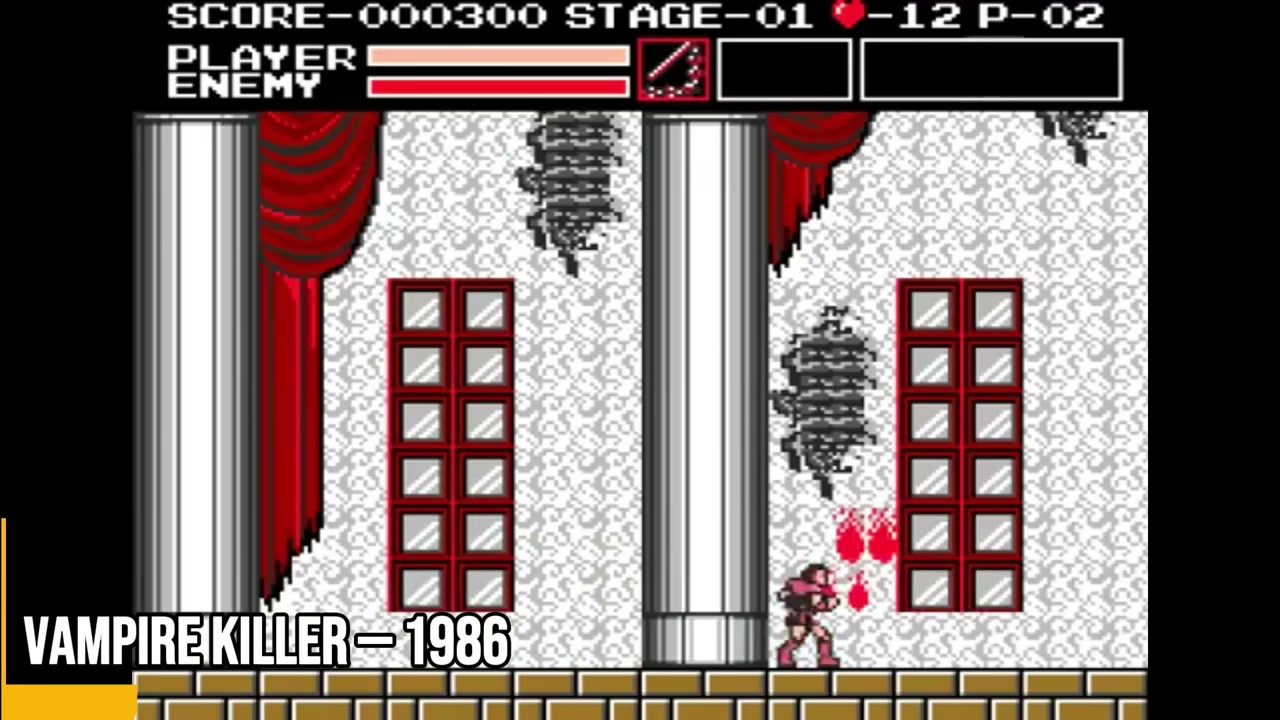
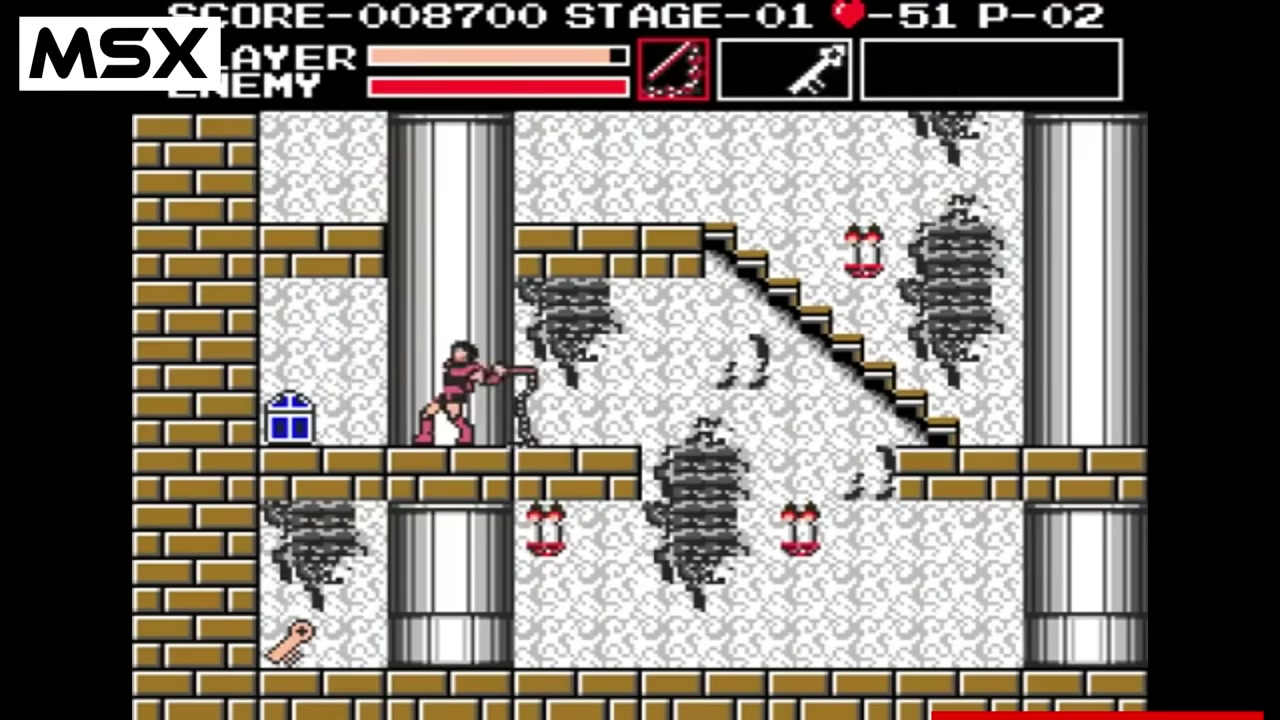
The MSX version of early Castlevania design is far less linear than the NES template most players remember. The video highlights key-based route progression, segmented exploration, and room-to-room navigation that rewards memory instead of pure reflex. That structure feels much closer to later castle-style Metroidvania flow than to a straightforward stage clear.
2) Maze of Galious
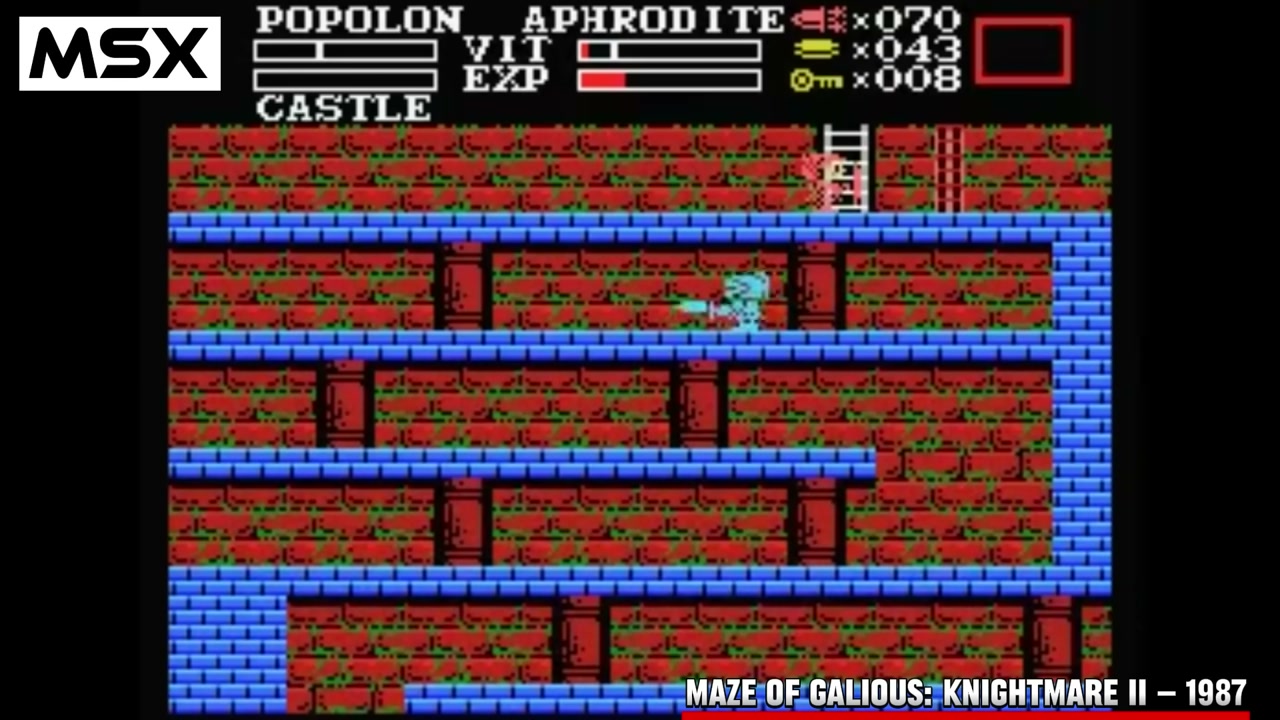
Maze of Galious expands the exploratory side even further: broader labyrinth structure, item-dependent advancement, and heavy emphasis on figuring out where to go next. The video calls out how ambitious this was for 1987, especially its commitment to non-linear routing and punishing trial-and-error traversal.
3) Wonder Boy in Monster World
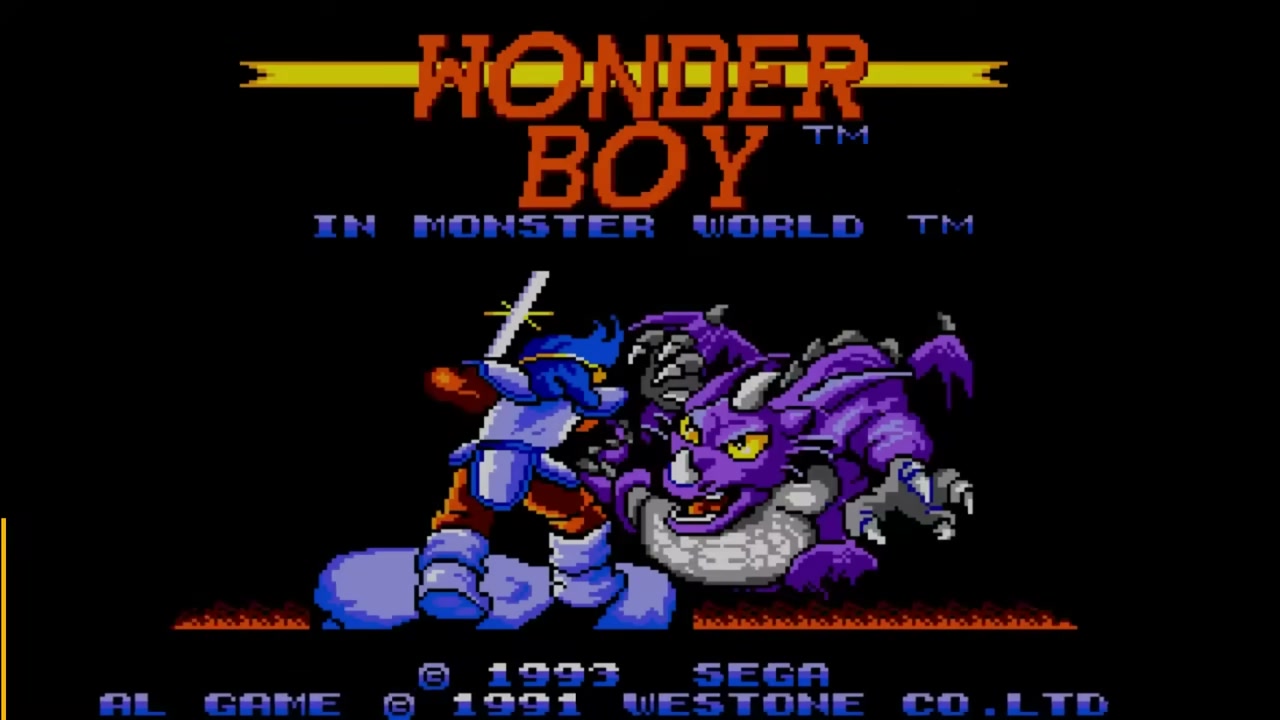
Instead of chasing speed-focused platform trends of its era, Wonder Boy in Monster World slows the pace and invests in RPG progression, gear checks, and map revisits. The result is a stronger exploratory loop where upgrades function as both stat growth and practical access keys.
4) Tails' Adventure
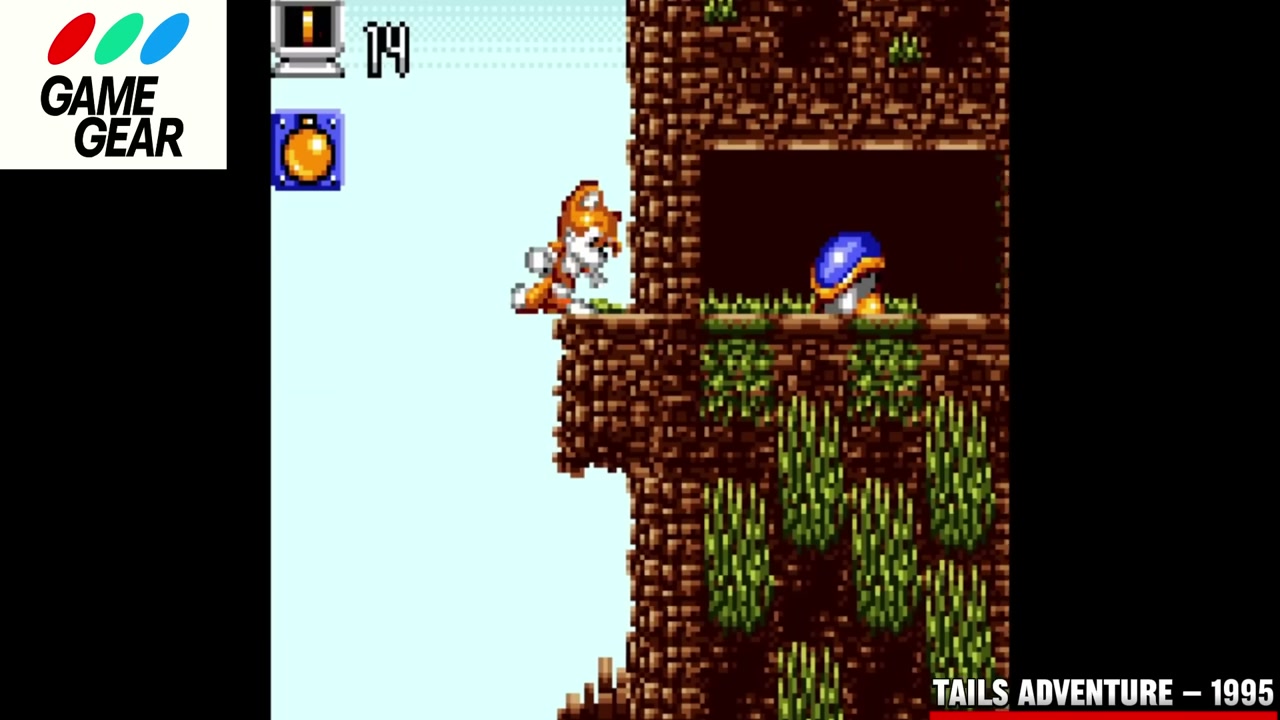
The video frames Tails' Adventure as a major surprise: a Sonic-adjacent title that trades speed spectacle for methodical exploration. Gadget usage, interconnected zones, and deliberate movement pacing make it feel structurally closer to Metroid-inspired design than to mainline Sonic platforming.
5) Spellcaster
Spellcaster stands out as an action-RPG hybrid where progression is tied to abilities and situational use of mechanics, not just bigger numbers. The presentation and pacing are different from other entries on this list, but the design intent is similar: learn systems, unlock options, revisit spaces with better capability.
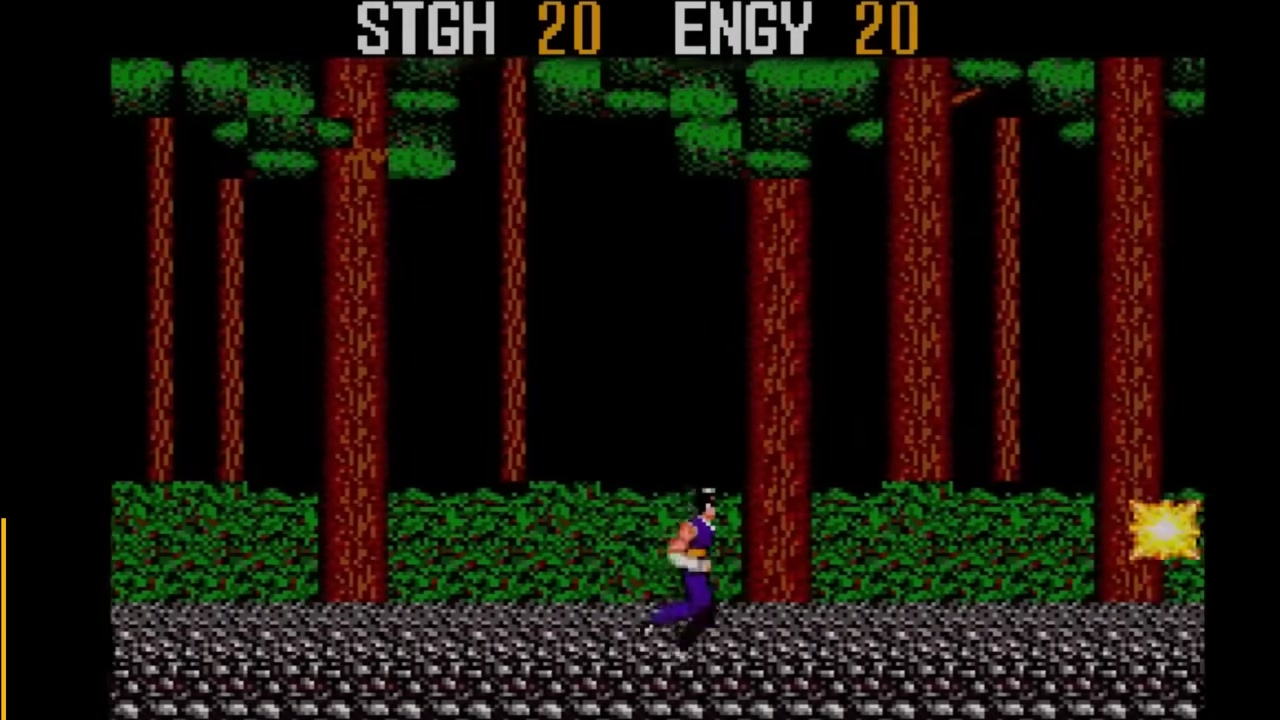
6) Uforia: The Saga
Uforia takes Metroid-style exploration and makes it friendlier without flattening the depth. The key hook is character-based progression: rescuing friends unlocks new playable abilities, and each ability reframes how older areas are traversed. That is classic ability-gating logic, just delivered through character switching.
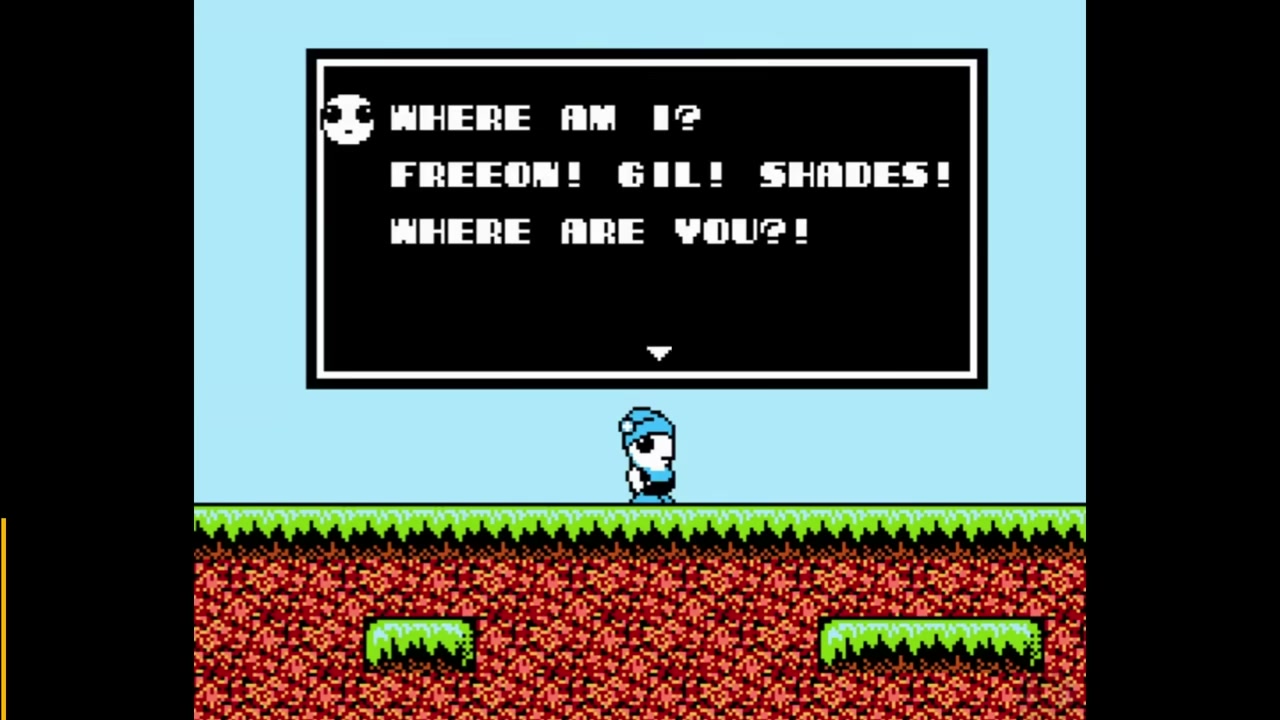
7) Demon's Crest
Demon's Crest is one of the clearest proto-Metroidvania cases in the video: atmospheric world design, transformation-driven access, and repeated returns to previously cleared spaces with new powers. Firebrand's forms are not cosmetic; they are the language of traversal and discovery.
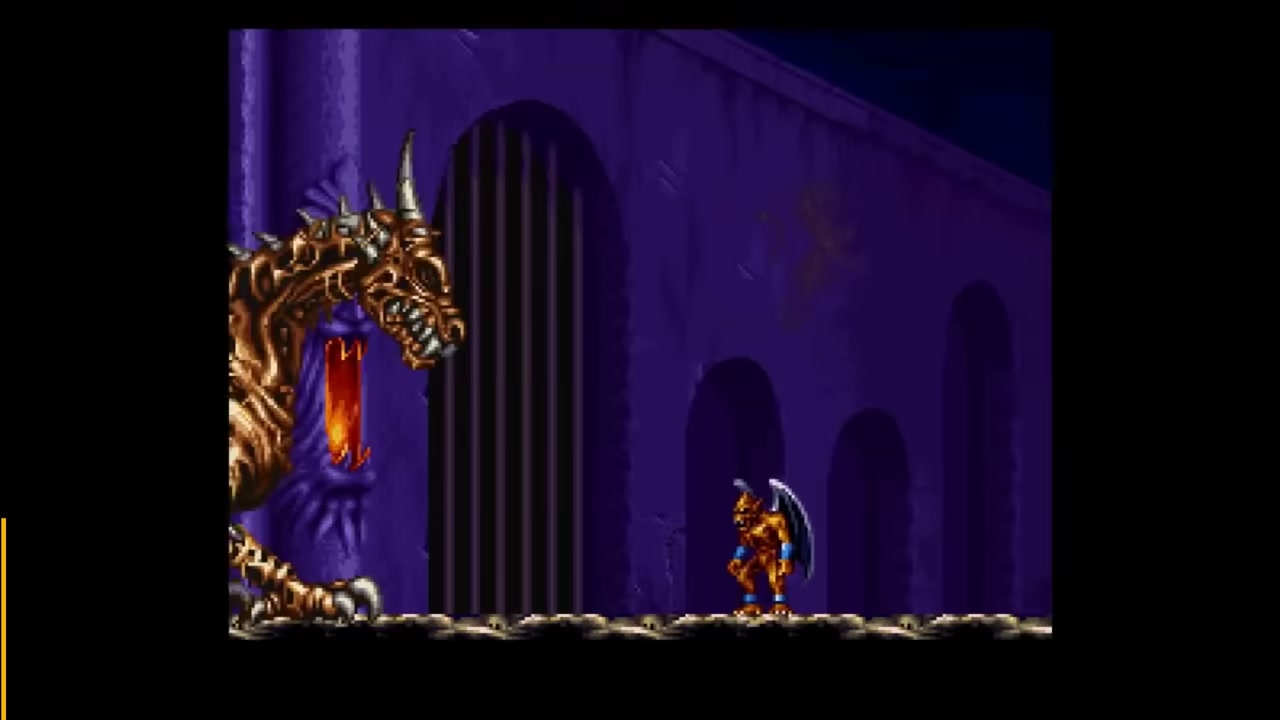
8) Blaster Master
Blaster Master combines vehicle traversal, on-foot segments, and upgrade-driven progression inside a connected world map. The video emphasizes how this blend of macro exploration and micro challenge spaces creates a rhythm that modern Metroidvania players instantly recognize.
9) Shantae (Game Boy Color)
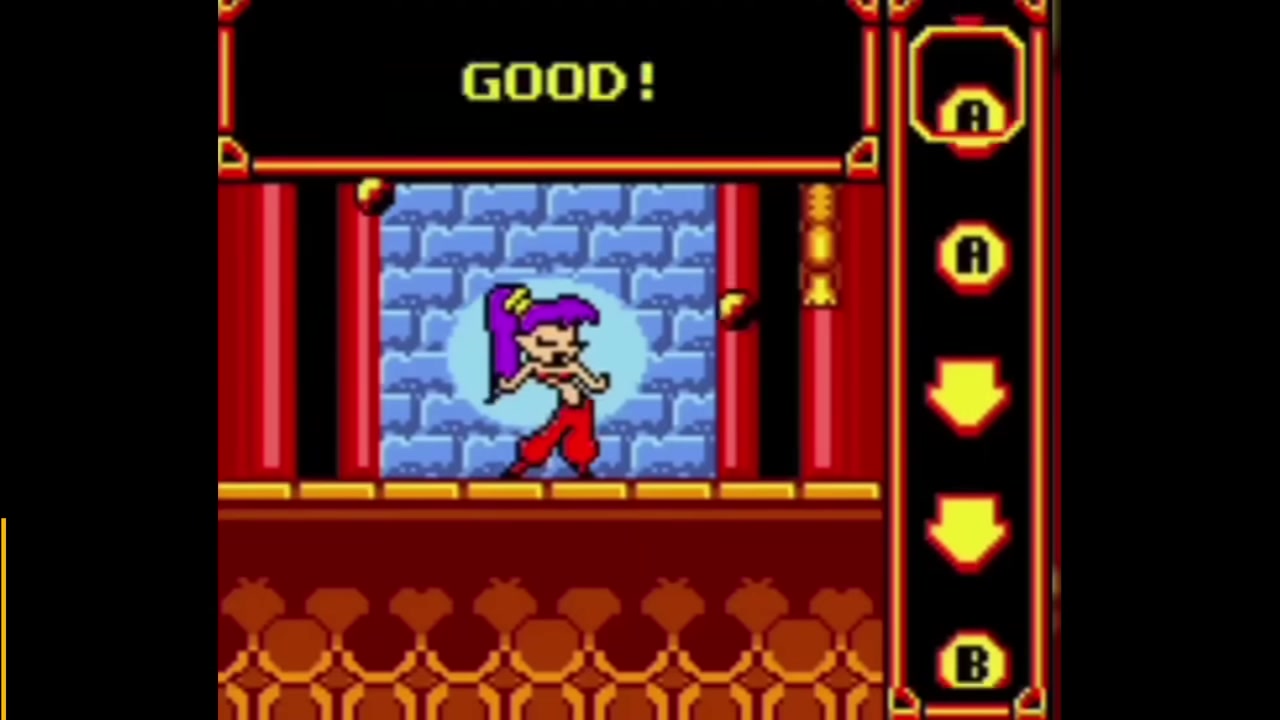
Shantae is presented as a late-era 8-bit technical flex that still prioritizes exploration systems over pure platforming spectacle. Dance transformations open route options, towns and dungeons interlock, and progression feels earned through expanded movement vocabulary.
10) Gargoyle's Quest II
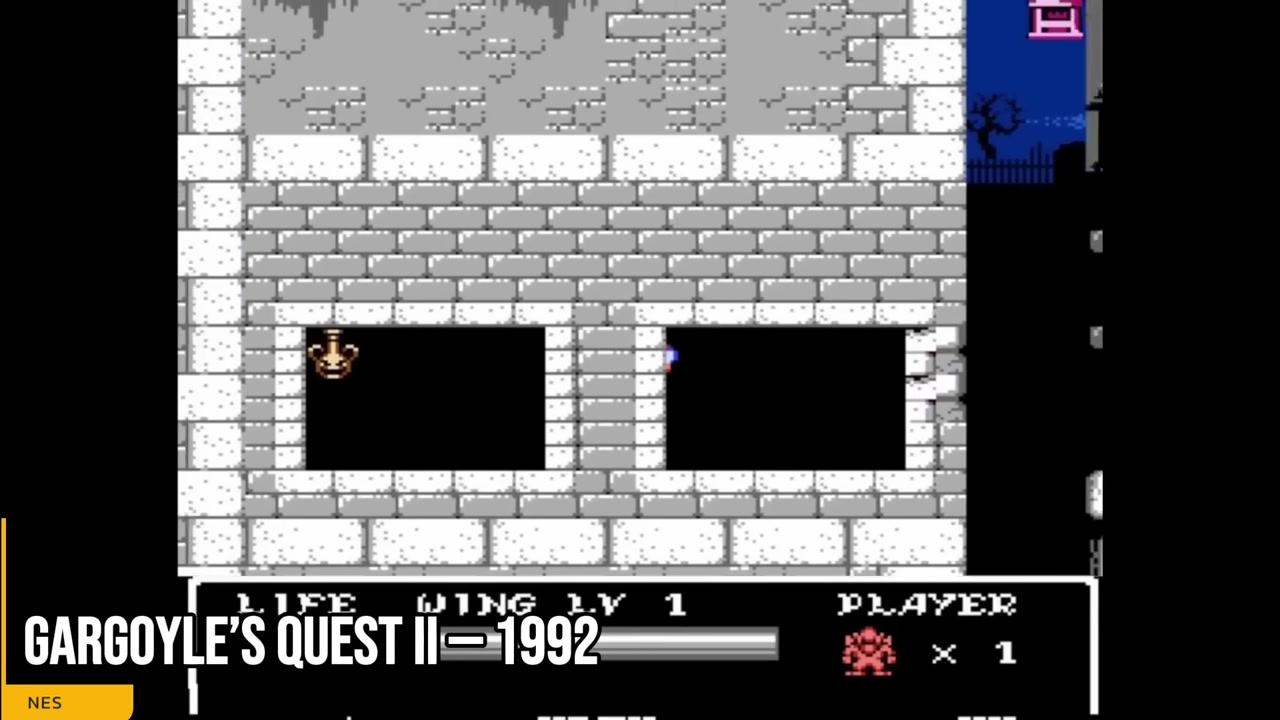
As highlighted in the video, Gargoyle's Quest II extends Firebrand's world with action-RPG structure and movement tools that gate progression. It bridges overworld-style progression and side-scrolling challenge in a way that foreshadows the mixed-structure exploration many later genre favorites would use.
These 10 games are not identical, and that is exactly the point. The Metroidvania formula was not "invented" in one clean moment. It was assembled piece by piece by teams across MSX, Master System, NES, SNES, Game Gear, and Game Boy Color, each contributing a mechanic that later became genre law.
Build a better retro exploration queue
If this list sends you back into older exploration games, start with play retro games online for the general Rebit flow. For the handheld side of the formula, play Game Boy Color games online pairs well with Shantae, while play SNES games online is the better path for Demon's Crest and later 16-bit exploration games.
Rebit does not provide copyrighted ROM downloads or promise support for every system named in this history list. Use legally owned files for supported systems, then build a private exploration queue with saves and system pages that match the game you are actually revisiting.