The PlayStation 1 RPG scene was not a straight line from 16-bit sprites to glossy FMV cinema. It was a design explosion. The video tracks 11 games that show how broad that explosion got: giant mainstream hits, dark puzzle-heavy outliers, tactical experiments, anime tie-ins that overperformed, and imports that felt like they came from a parallel timeline.
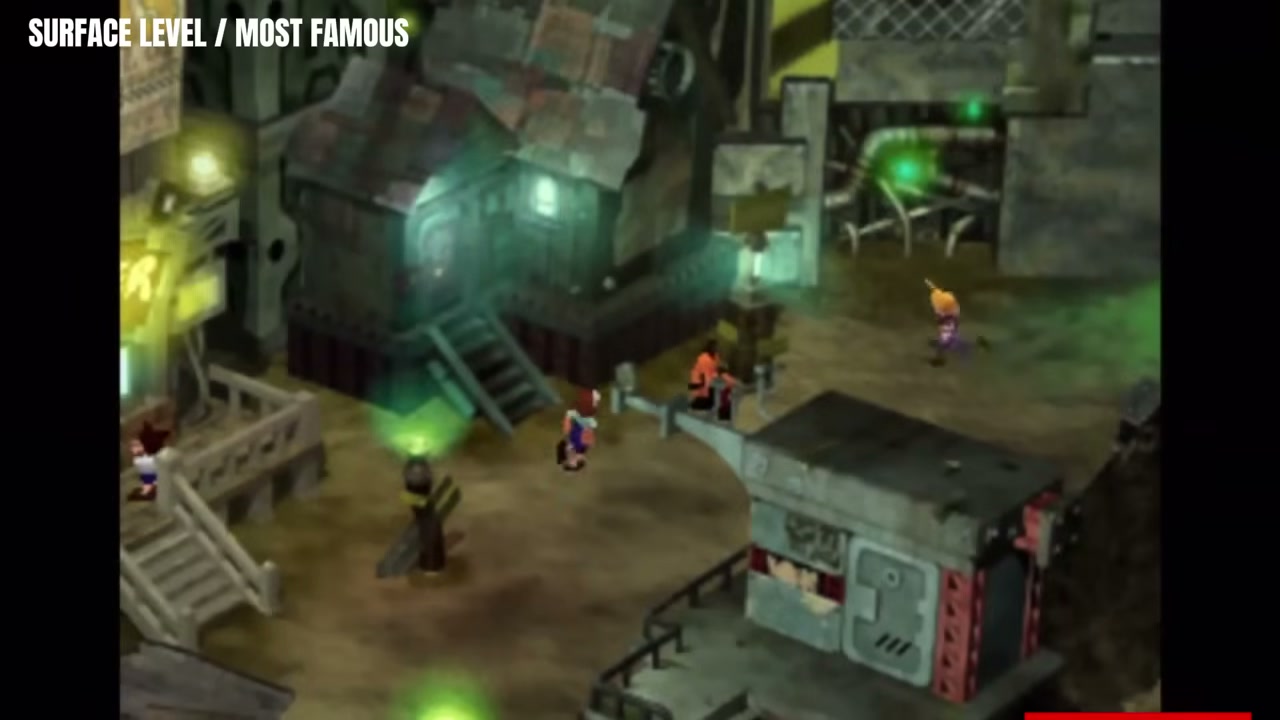
1) Final Fantasy VII
Squaresoft used the PS1 hardware like a stage trick: low-poly character models over richly pre-rendered backgrounds, then cinematic camera work and FMV to sell scale the polygon budget could not render in real time. Under the spectacle, the Materia system let players build wildly different roles from the same party members, which made progression feel personal rather than class-locked.
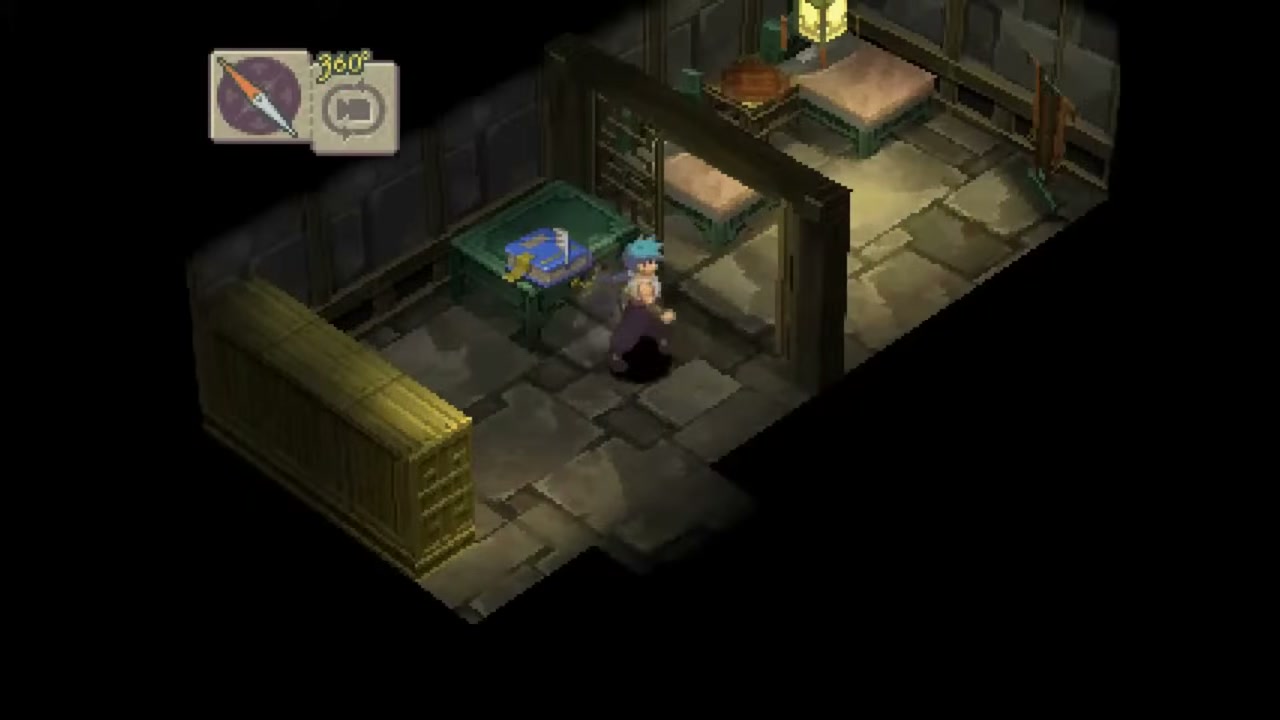
2) Breath of Fire 4
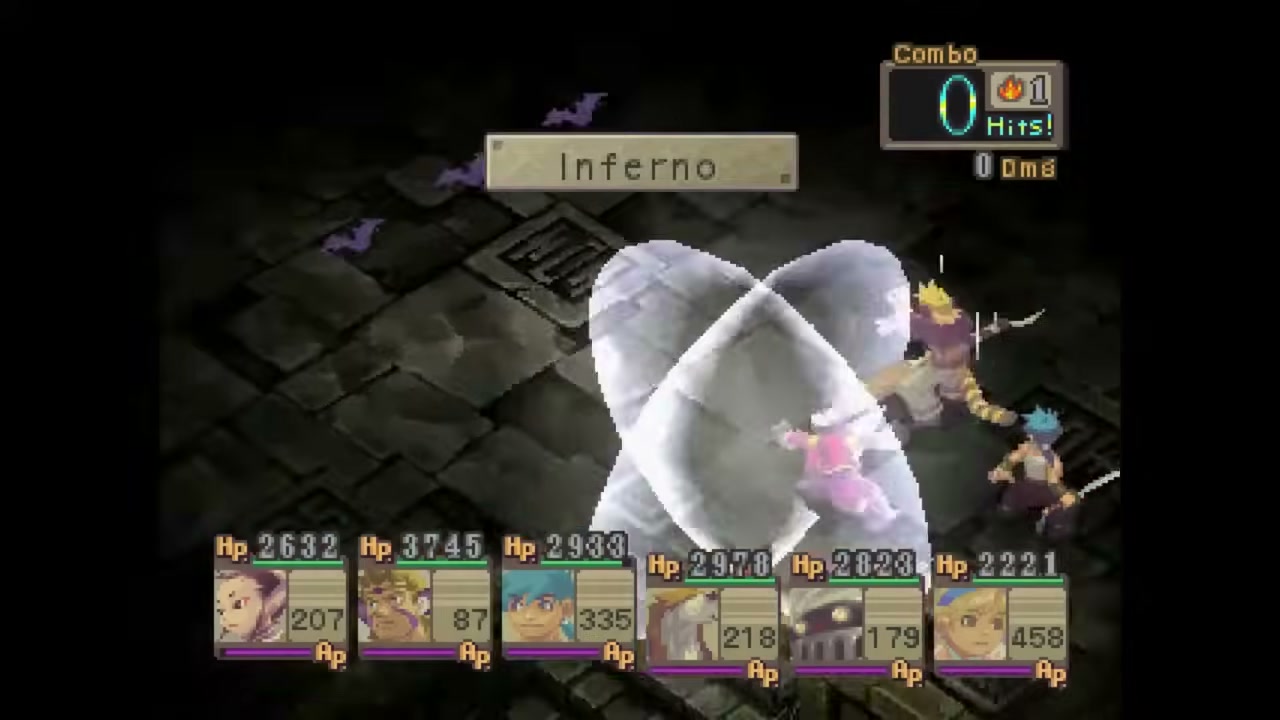
Capcom went the opposite direction of the polygon arms race. Breath of Fire 4 leaned into gorgeous sprite animation and painterly backgrounds, then layered in systems depth through chained combo attacks and dragon-gene transformations. The dual perspective story structure, where the player also follows the antagonist, gave the game unusual narrative weight for the era.
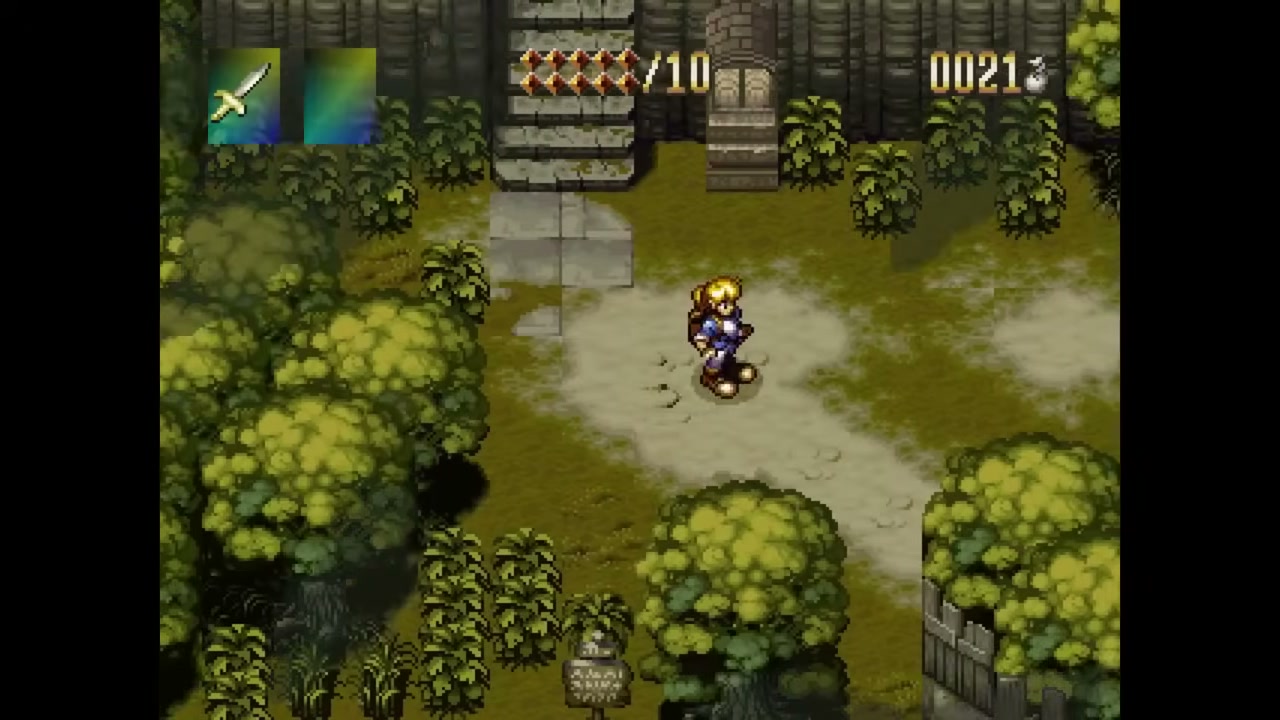
3) Alundra
Alundra is where the mood shifts from heroic fantasy to psychological dread. Its dream-entry premise was not just story flavor; dungeon design, hazards, and puzzle logic all reinforced themes of grief, fear, and guilt. Combat mattered, but level architecture and trap timing were the real gatekeepers.
4) Legend of Legaia
Legend of Legaia took menu-based turn combat and punched a hole through it with directional combo input. Players stacked high/mid/low commands to build Arts strings, turning regular encounters into execution and routing decisions instead of repetitive command loops. That system made mechanical mastery visible every fight.
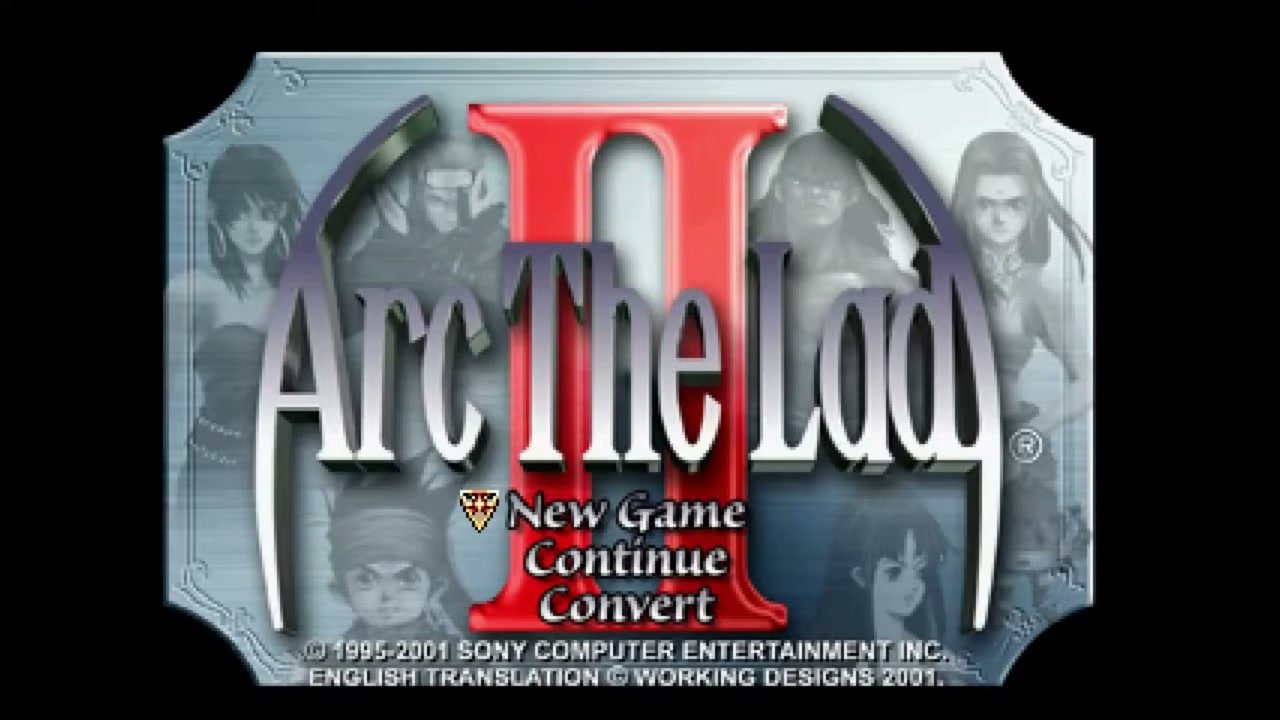
5) Ark: The Lad 2
Ark: The Lad 2 pushed tactical RPG structure toward a bleaker war-story tone. Battles were map-native, positioning mattered, and the broad recruitable cast felt grounded in ordinary people caught in geopolitical collapse. It traded power fantasy for attrition and consequence.
6) Persona 2
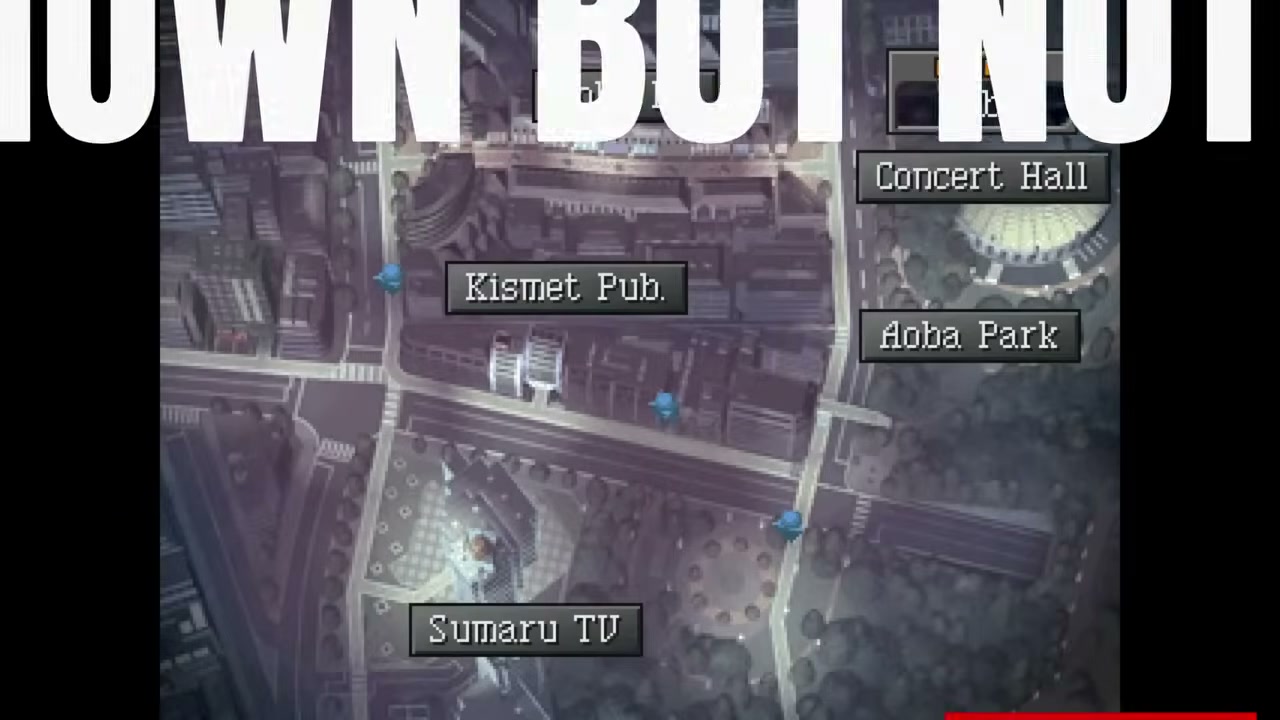
Persona 2 already had the modern series DNA, but with a harsher edge: rumor-as-reality mechanics, urban anxiety, and social paranoia used as world rules instead of optional lore. Demon negotiation and fusion interactions tied theme and mechanics together, making belief systems literal gameplay inputs.
7) Rurouni Kenshin RPG
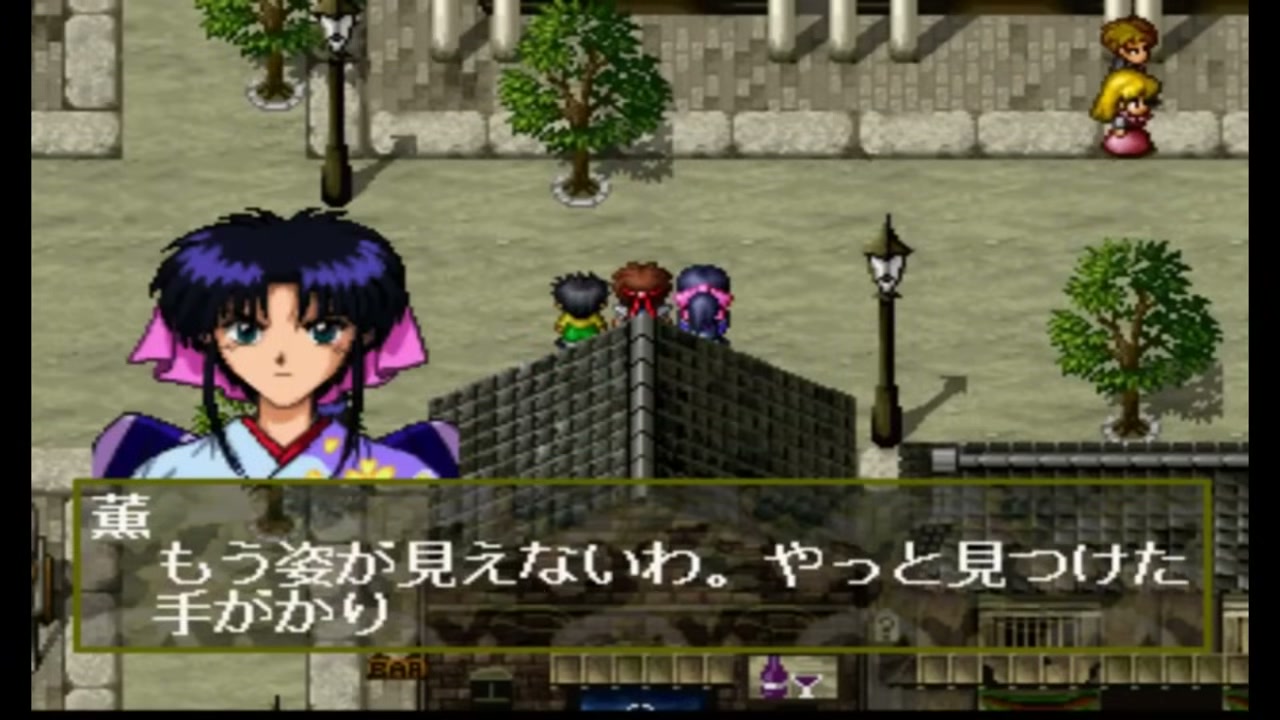
This tie-in could have been disposable licensing filler. Instead, it delivered sharp pixel craft, strong music direction, and a combat structure that let players script attack sequences across strike levels. It felt built by a team that respected the source and still wanted to ship a real game.
8) Dragon Quest Monsters 1 & 2
The PS1 version of Dragon Quest Monsters 1 and 2 doubled down on collection and synthesis design: capture, train, fuse, repeat, then discover unexpected lineage outcomes from experimentation. Its presentation stayed intentionally old-school, but the breeding loop offered huge strategic depth.
9) Neoroot
Neoroot is one of those late-90s experiments that feels impossible to greenlight today. It blended PC-style point-and-click adventure logic with cinematic console RPG pacing, all wrapped in early 3D presentation. Uneven? Yes. Boring? Never. It is pure transitional-era design energy.
10) Shinken Densetsu
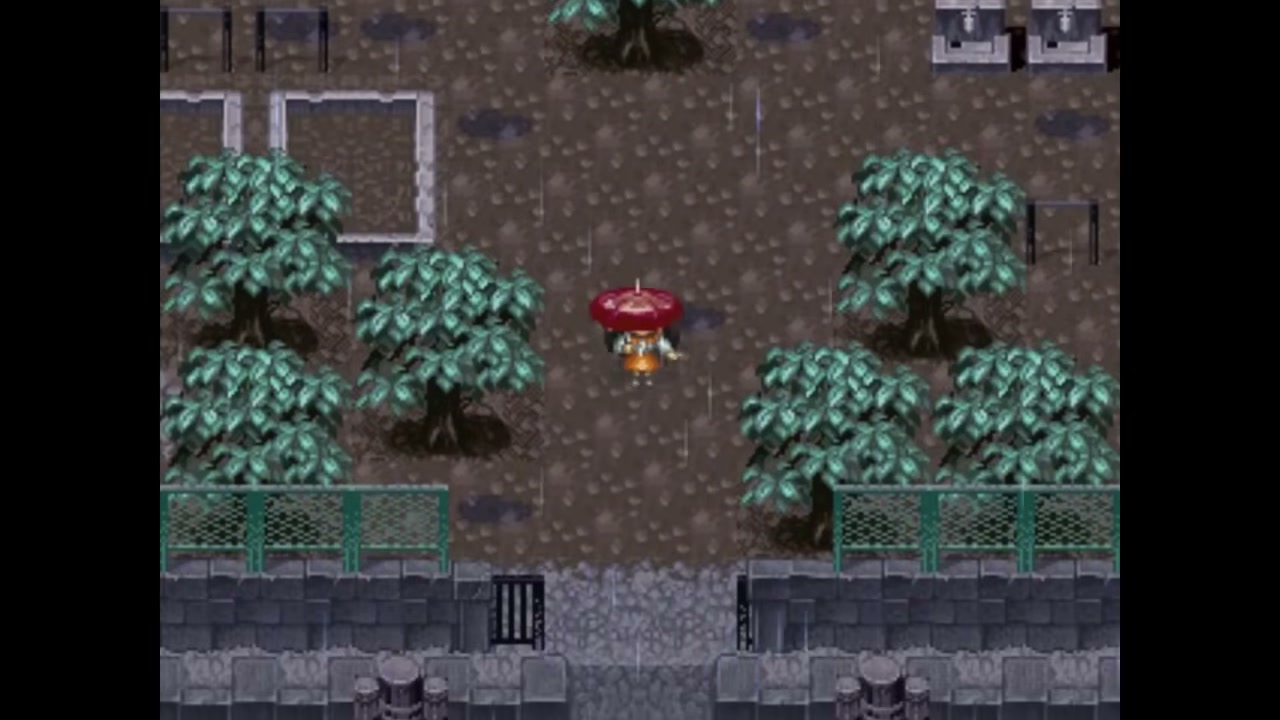
Shinken Densetsu stood out through perspective and tone: a rescue narrative framed through an adopted dog protagonist, supported by intentionally stylized visuals and emotionally loaded music. It favored atmosphere and character feeling over brute technical showmanship.
11) Shu Auden
Shu Auden closes the list with a title many players outside its release context never touched. Full Chinese voice work and expressive character modeling gave it a distinct cultural and audiovisual identity on the platform. It is exactly the kind of "lost to time" game that makes PS1 deep dives so rewarding.
What this full set of 11 games proves is simple: PS1 RPG history is not just blockbuster memory. It is a wild archive of genre mutation, where teams were testing combat languages, narrative structures, and visual techniques in public, cartridge generation constraints finally gone and CD-era ambition fully unleashed.
Revisit PS1 RPGs without losing progress
Long RPGs need a safer save routine than quick arcade games. Start with play PS1 games online, then use best PS1 games for short browser sessions when you want lower-commitment picks. For multi-session RPGs, the cloud saves for retro games workflow is the companion read.
Rebit is useful here because PS1 RPGs punish sloppy save habits. It does not provide disc images or copyrighted ROM downloads; bring legally owned game files, verify saves early, and let cloud saves protect long-form progress.