Part of the Master System magic is that it rarely won by brute force. It won by design choices that squeezed strange, ambitious ideas out of 8-bit constraints. The source video's second list is a perfect cross-section of that era: games that solved different design problems with mechanics-first thinking, whether through character asymmetry, weapon modularity, or smarter difficulty shaping.
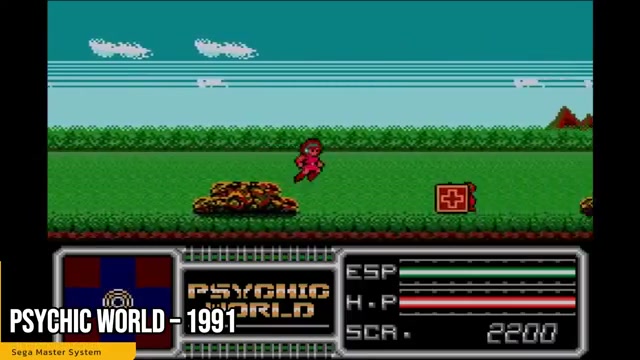
1) Psychic World
Psychic World looks like a straightforward action-platformer until the ESP toolkit starts driving progression. Lucia's powers are not cosmetic attacks; they are route tools. Ice creates traversal options, fire and wind reshape encounters, and power usage introduces resource pressure that rewards planning over panic jumps.
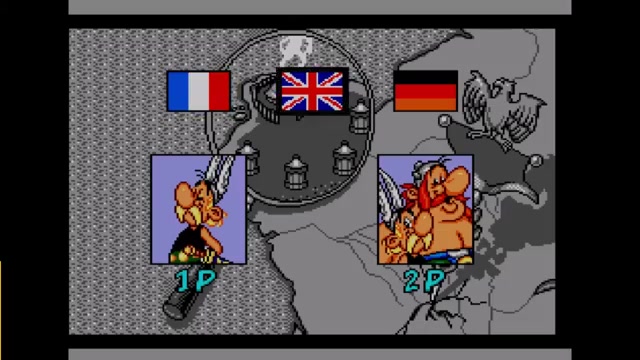
2) Asterix and the Secret Mission
This is where licensed-game assumptions get blown up. Asterix and Obelix are not simple palette swaps; they change how stages are approached. One leans toward speed and agility while the other emphasizes weight and power, giving the same level different rhythm depending on who you pick.
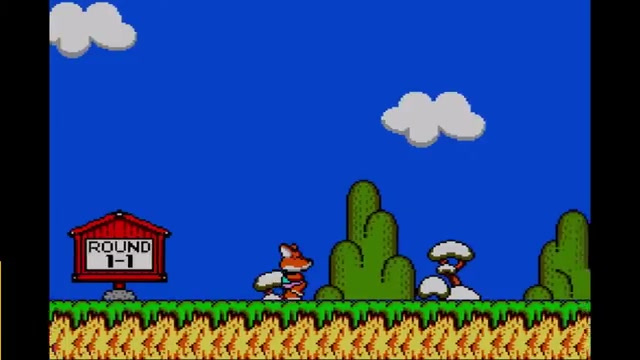
3) Psycho Fox
Psycho Fox turns transformation into system design instead of one-off gimmickry. Each animal form has a clear tradeoff profile, so movement and combat routes become pre-play decisions. That mechanical identity is why it still feels interesting beyond nostalgia.
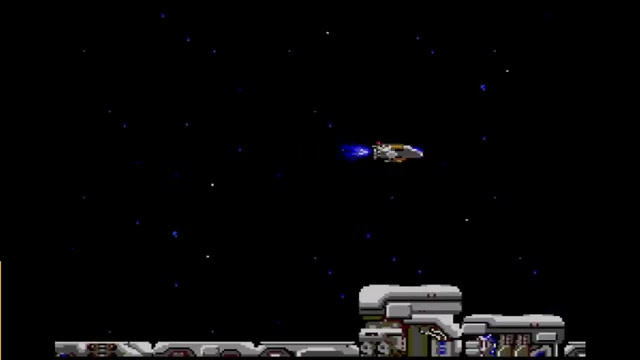
4) R-Type
R-Type on Master System is a clinic in defensive-offensive duality through the Force pod. Attaching, detaching, and repositioning that module changes the game from pure shooting into spatial control. It is less about reflex alone and more about managing angle, threat lanes, and timing windows.
5) Land of Illusion
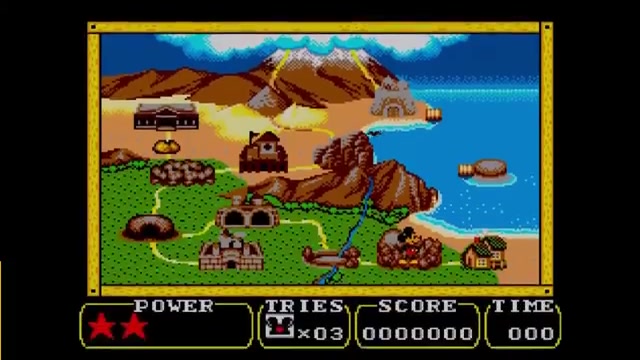
Land of Illusion demonstrates how polish and readability can outperform raw difficulty. Tight controls, forgiving continue structure, and strong checkpointing made it accessible without turning it into autopilot. This is a good example of 8-bit platform design growing up without becoming sterile.
6) RoboCop versus the Terminator
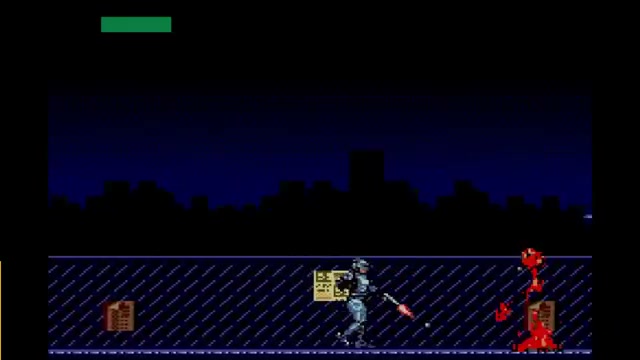
This one is rough in places, but technically fascinating. The game pushes big sprites, aggressive visual styling, and effects that clearly chase 16-bit energy on weaker hardware. The result is uneven, yet it captures that late-cycle Master System mentality: if the ceiling exists, try to crack it.
7) Shinobi
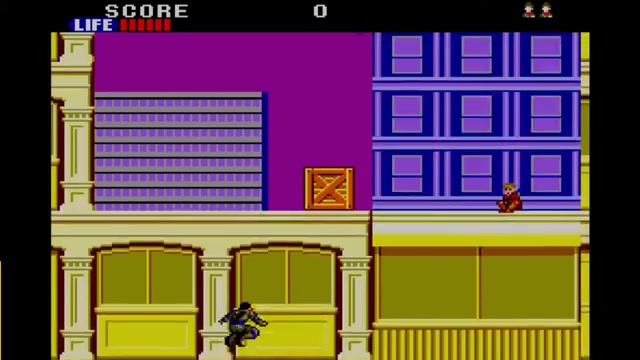
Shinobi on Master System is not a straight arcade clone, and that is exactly why it works at home. The adaptation tones down all-or-nothing punishment while preserving high-pressure pacing. It translates coin-op intensity into a longer-session console structure without losing the series' identity.
8) Chuck Rock 2: Son of Chuck
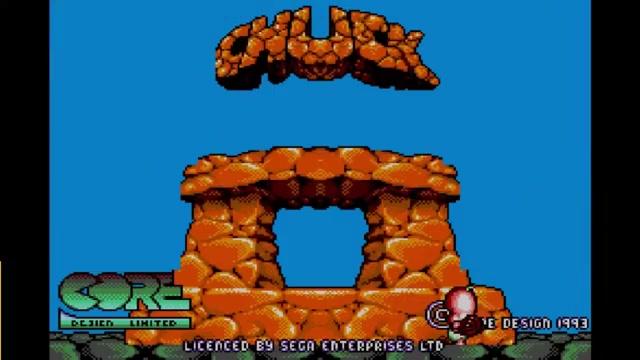
Chuck Rock 2 leans into readability and momentum. It keeps enough of the first game's personality while streamlining feel and stage flow, then layers in secrets and collectibles that reward replay rather than brute memorization. It is a cleaner, more modern-feeling platform loop for the hardware era.
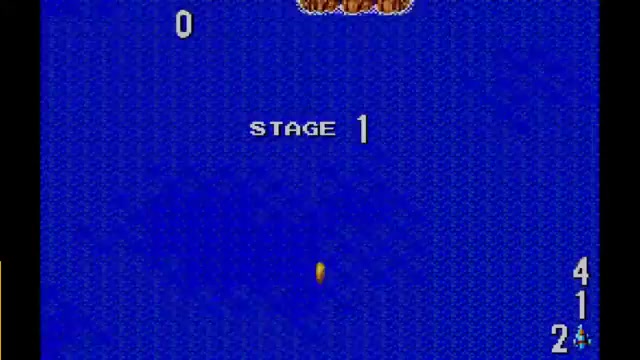
9) Power Strike 2
Power Strike 2 is peak late-era vertical shooter engineering on Master System. Speed, enemy density, and upgrade scaling are tuned to feel explosive without collapsing into visual mush. You can see the team prioritizing boss readability and weapon feedback with ruthless efficiency.
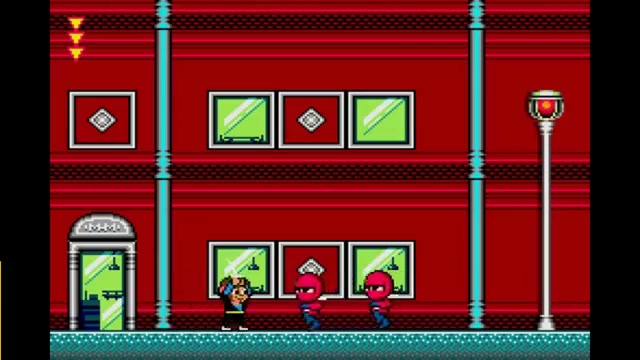
10) Alex Kidd in Shinobi World
This crossover could have been a novelty cash-in. Instead, it blends Alex Kidd's approachable platform DNA with Shinobi-style ninja mechanics in a way that stays coherent. Mobility options and attack cadence make it feel distinct rather than stitched together.
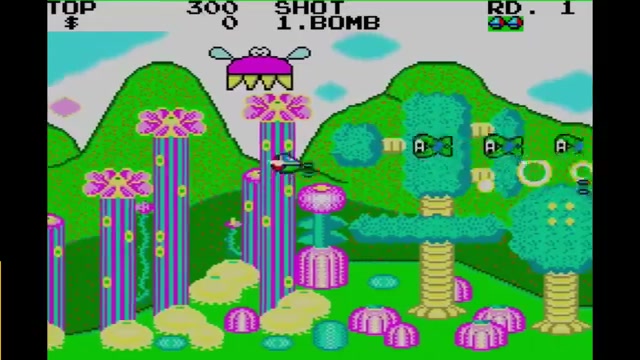
11) Fantasy Zone
Fantasy Zone still feels radical because it rejects forced-scroll orthodoxy. Instead of autopilot left-to-right pressure, it uses freeform looping spaces, objective cleanup, and shop economy decisions. You are balancing route efficiency, spending risk, and survivability at the same time.
What ties these 11 games together is not genre. It is design bravery under hardware limits. The Master System could not always outmuscle competitors, but in the right hands it produced games with systems-thinking that still feels sharp decades later.
Play this era with the right expectations
Rebit does not need every system to have the same session shape. If this list made you curious about 8-bit and early-console design, start with play retro games online, then compare Master System ideas against play NES games online and play Game Boy games online for cleaner modern browser sessions.
Rebit does not provide copyrighted ROM downloads, and Master System coverage here is a design comparison rather than a supported-system promise. Bring legally owned files for systems Rebit supports, then use the browser library to study adjacent 8-bit ideas without confusing the setup path.