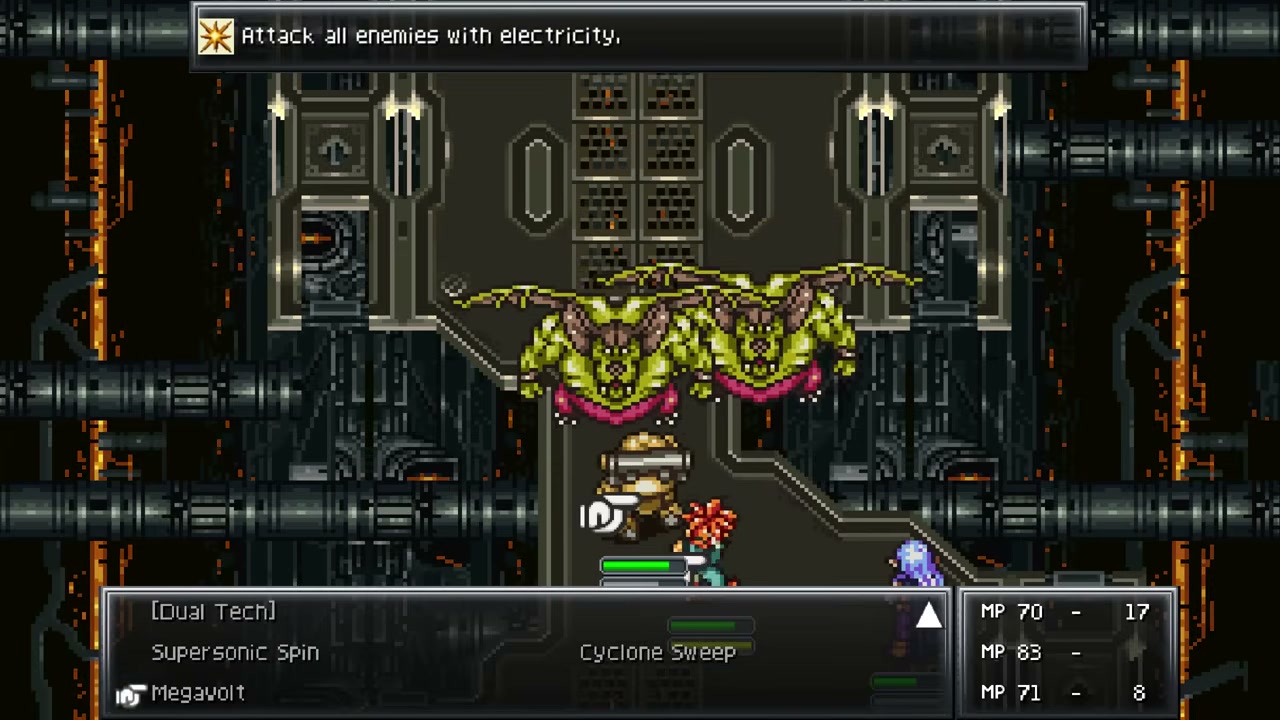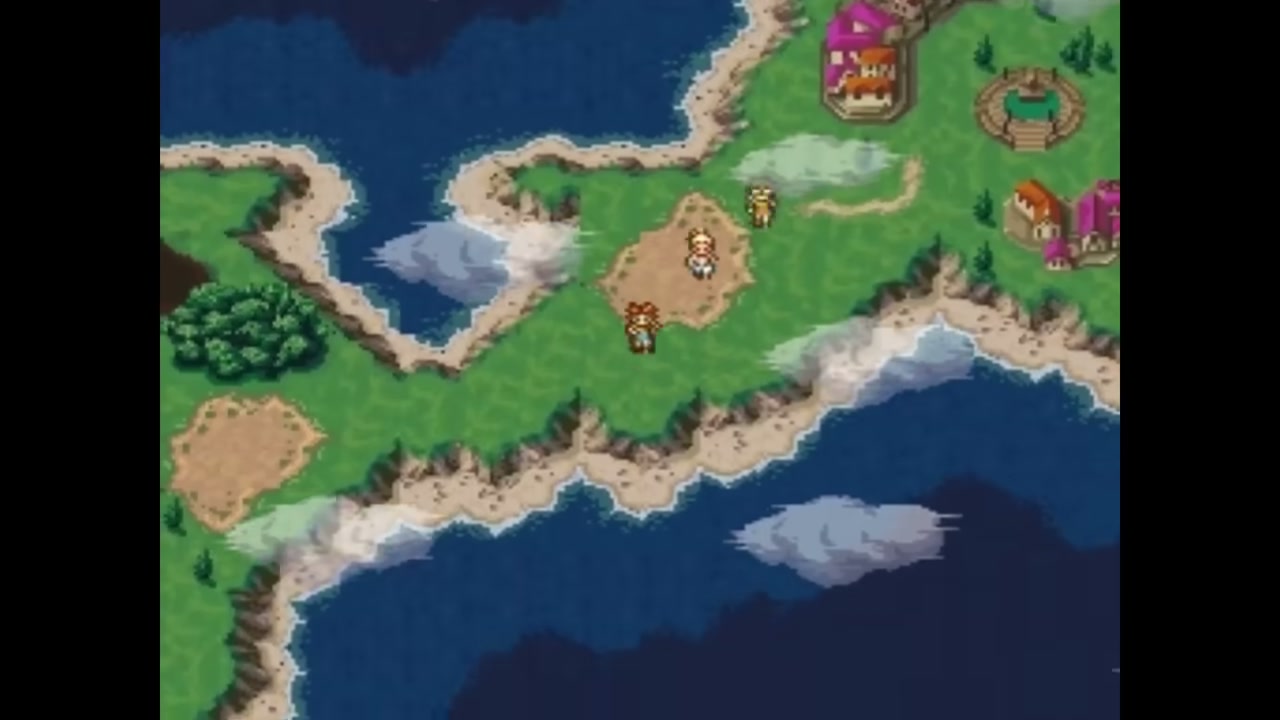
I have replayed Chrono Trigger at different ages, on different screens, in different moods, and it keeps doing the same thing to me: it disarms me first, then it devastates me. The source video makes the same argument in a way I deeply agree with. This game is not just "one of the best SNES RPGs." It is an early, undeniable proof that games can carry the same emotional charge we usually reserve for novels, films, and symphonies.
What always gets me is that Chrono Trigger does this without showing off. It does not scream for your attention with complexity in the first hour. It earns trust quietly, then starts asking bigger and bigger emotional questions.
The Opening Feels Small on Purpose, and That Is Why It Works
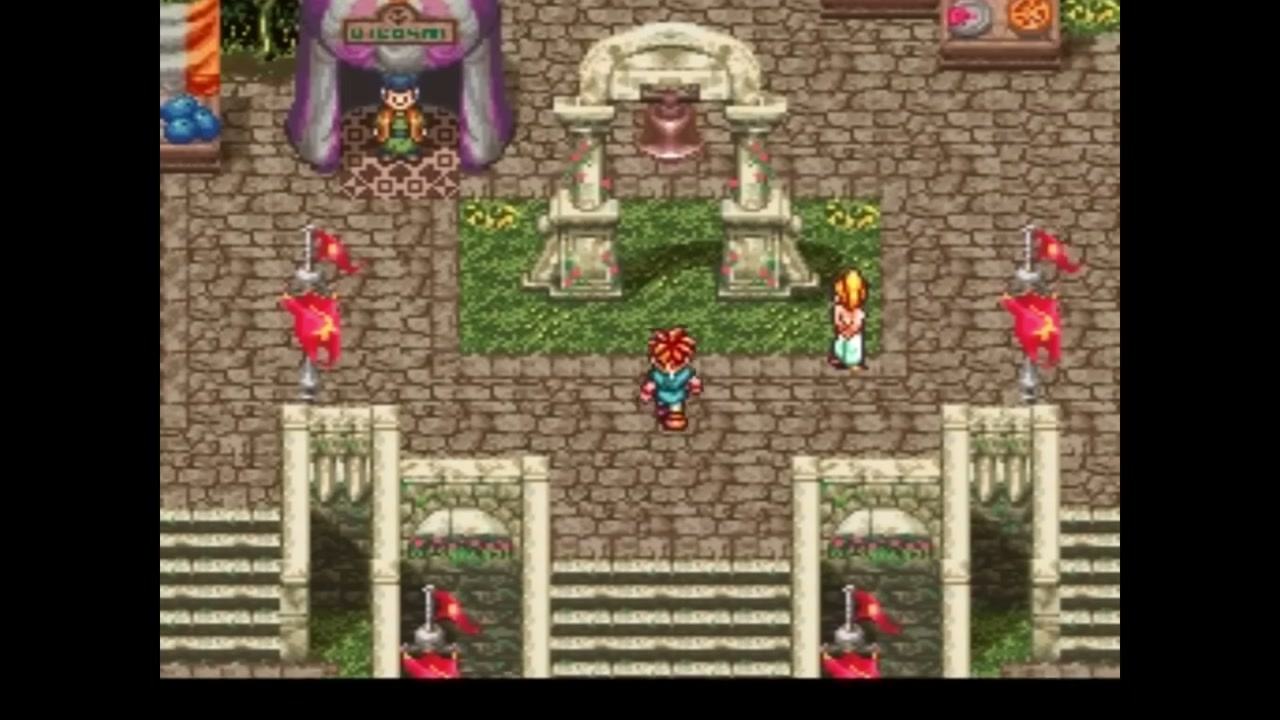
The video's point about the opening is exactly right: Crono waking up, sunlight through the window, the gentle vibe of Guardia, the Millennial Fair atmosphere. It all feels so safe. So normal. So charming. The first time I played it as a kid, I read that tone as simple "RPG setup." Now I read it as deliberate narrative misdirection.
Chrono Trigger gives us peace before it gives us consequence. That contrast is the key.
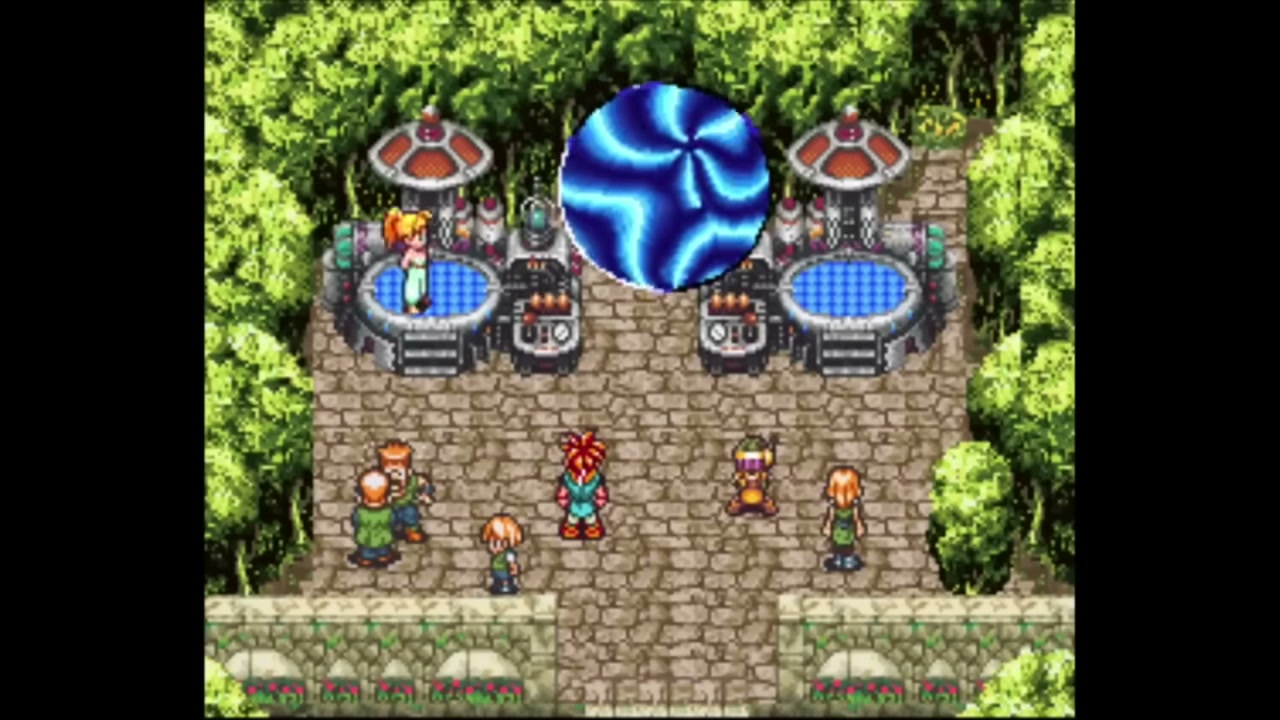
When Marle steps into the Telepod and vanishes, the story doesn't just "begin." The game quietly tells you: this world is more fragile than it looks, and your assumptions are now invalid. In hindsight, that scene is one of the cleanest inciting incidents in the genre.
It Is Wildly Ambitious, But Never Feels Messy
One thing the source video articulates well is the paradox at the center of Chrono Trigger: if you summarize the plot, it sounds absurdly dense. Time gates. Ancient catastrophes. Magical civilizations. End-of-world stakes. Multiple eras with political and cultural continuity.
And yet when you play it, it feels natural.
I think that is because the game does not dump lore first. It introduces pressure first. You learn each era through immediate human stakes, not encyclopedia text. Then the larger cosmology starts connecting behind the scenes. The pendant matters later. A villain reframes later. A mystery you thought was decorative becomes structural.
That design is hard even now. In 1995, it was borderline miraculous.
The Chapter Structure Gives the Story Real Momentum
The video mentions the chapter naming, and I wish more retrospectives focused on this. Chrono Trigger's chapters are not cosmetic labels; they are pacing architecture. Each segment behaves like a dramatic unit with setup, escalation, and payoff.
As a player, you feel that rhythm even if you are not consciously analyzing it. You're never stuck in narrative sludge for long. You're always moving toward resolution, and each resolution opens into a bigger question.
This is also why the game ages so well on replay. You can see the craftsmanship in how each chapter hands off tension to the next.
The Trial Still Hits Me Harder Than Most Modern "Choice" Systems
I remember the first time I reached Crono's trial and realized the game remembered what I did at the fair. Little things. Seemingly throwaway behaviors. Suddenly turned into legal evidence of character.
That moment changed how I looked at role-playing games.
Chrono Trigger does not ask you to choose from big neon morality buttons. It watches what you do when you think nothing is at stake. Then it reflects that behavior back at you. That is narratively elegant, mechanically lightweight, and emotionally sharp.
Even now, with decades of "your choices matter" marketing, the trial sequence feels more honest than a lot of modern implementations.
2300 AD and Zeal: The Point Where the Game Grows Teeth
The source video calls out the tonal shock of 2300 AD, and I felt that too. Up to that point, you can still pretend this is a bright heroic adventure with occasional danger. Then the future shows you collapse, scarcity, and social exhaustion. The stakes become civilizational.
And then Zeal arrives.
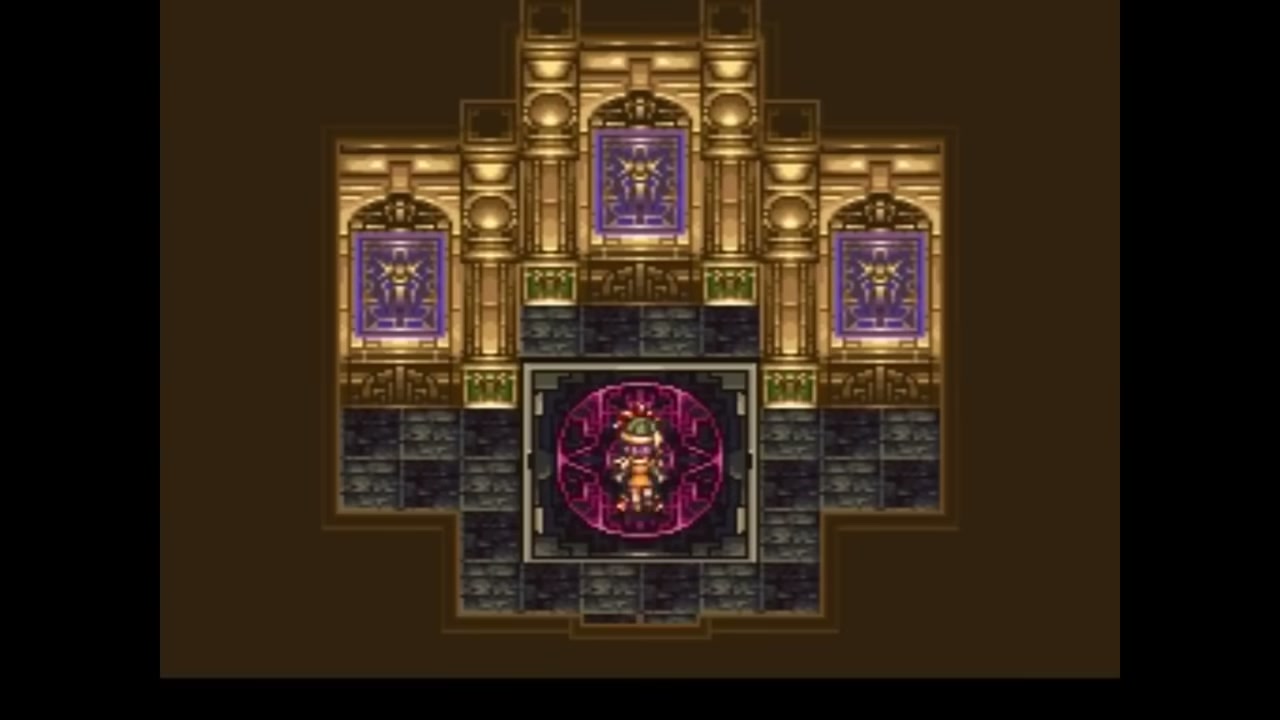
I still think Zeal is one of the most haunting locations in 16-bit RPG history. On first glance, it is gorgeous fantasy excess. On closer inspection, it is a social order built on hierarchy, extraction, and ritualized denial. The floating elegance masks systemic cruelty.
That is where Chrono Trigger stops being "just" a great adventure and starts feeling literary. Time travel stops being a gameplay gimmick and becomes a thematic lens: different eras are arguments about power, responsibility, and what people sacrifice in pursuit of permanence.
Mitsuda's Score Does More Than Set Mood
I loved that the source video spent serious time on the soundtrack because too many writeups treat game music like wallpaper. Chrono Trigger's music is not wallpaper. It is narrative glue.
Yasunori Mitsuda's writing, with Nobuo Uematsu stepping in to help complete the score, gives the game an emotional continuity that transcends era changes. You can jump across centuries, but the soundtrack keeps your heart oriented.
The recurring melodic shapes the video points out, especially those rising gestures, are part of why the game feels so coherent. It is not just "good tracks." It is thematic composition. Memory in musical form.
Personally, this is the piece that stayed with me longest. Long after I forgot specific enemy formations or item routes, I could still hear those themes in my head with absolute clarity.
New Game+ and Multiple Endings Reframe Agency, Not Just Replay Value
People rightly praise Chrono Trigger for pioneering New Game+, but I think the bigger achievement is narrative: replaying is integrated into the game's philosophy of time, causality, and consequence.
When a second run lets you face the final boss at different points and unlock different endings, that is not just bonus content. That is the game making its core idea playable. Your relationship to fate changes because your temporal position changes.
Even the "standard" ending carries that bittersweet Chrono Trigger signature: reunion, separation, altered timelines, uncertain goodbyes. It understands that victory and loss can coexist.
Why This Still Feels Personal
When people say they love Chrono Trigger, I don't think they only mean "this is objectively well designed." I think they mean the game met them at the right age, with the right emotional honesty, and left a mark.
The source video argues nostalgia is not enough to explain its legacy, and I agree. Nostalgia can make us fond. It cannot make us return for decades unless there is real craft underneath.
Chrono Trigger lasts because its creators respected the player's emotional intelligence. They trusted subtlety. They trusted pacing. They trusted music. They trusted that mechanics could carry theme.
That is why, even now, it still feels less like a product from the 16-bit era and more like a timeless piece of authored expression.
And honestly, that is the highest compliment I can give any game.
Revisit it with modern save habits
If you are returning to Chrono Trigger now, start with play SNES games online, then protect the run with cloud saves for retro games. For moving progress between devices, the practical follow-up is how to move retro saves between devices.
Rebit does not provide ROM downloads for Chrono Trigger or any other copyrighted game. Bring a legally owned SNES file, confirm your save loads, and use browser states as a backup for long sessions rather than a replacement for in-game saving.