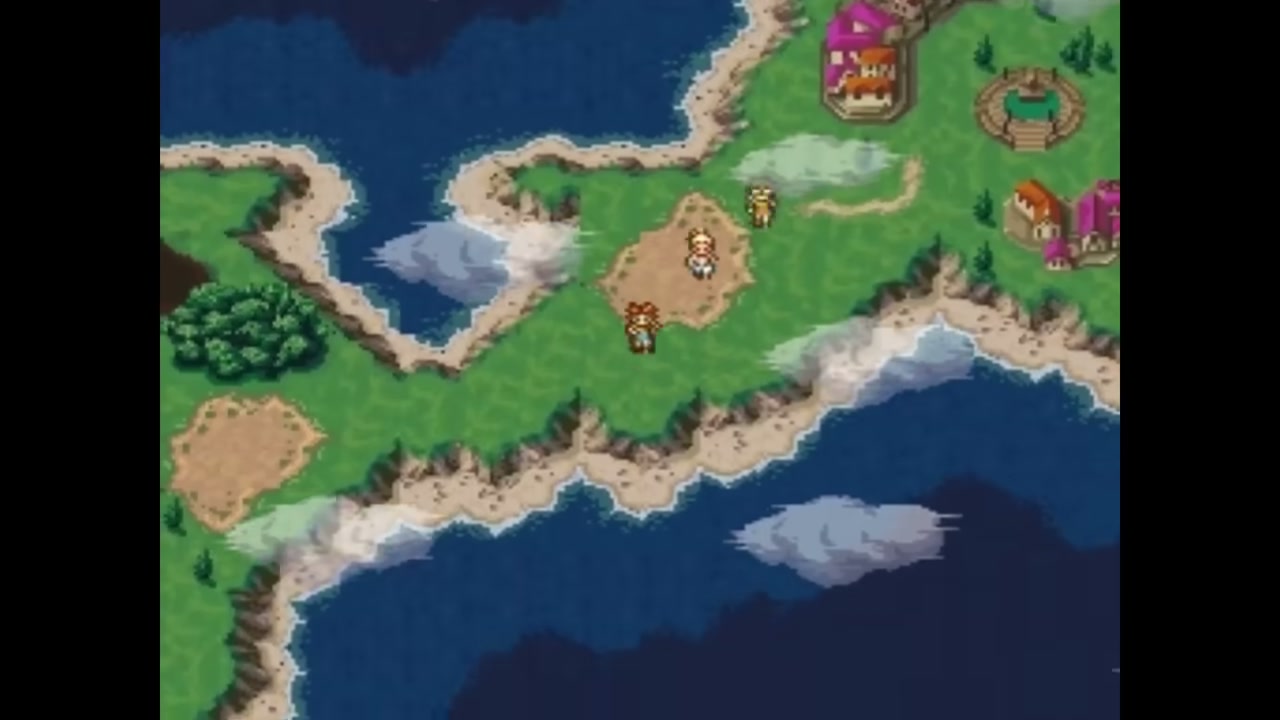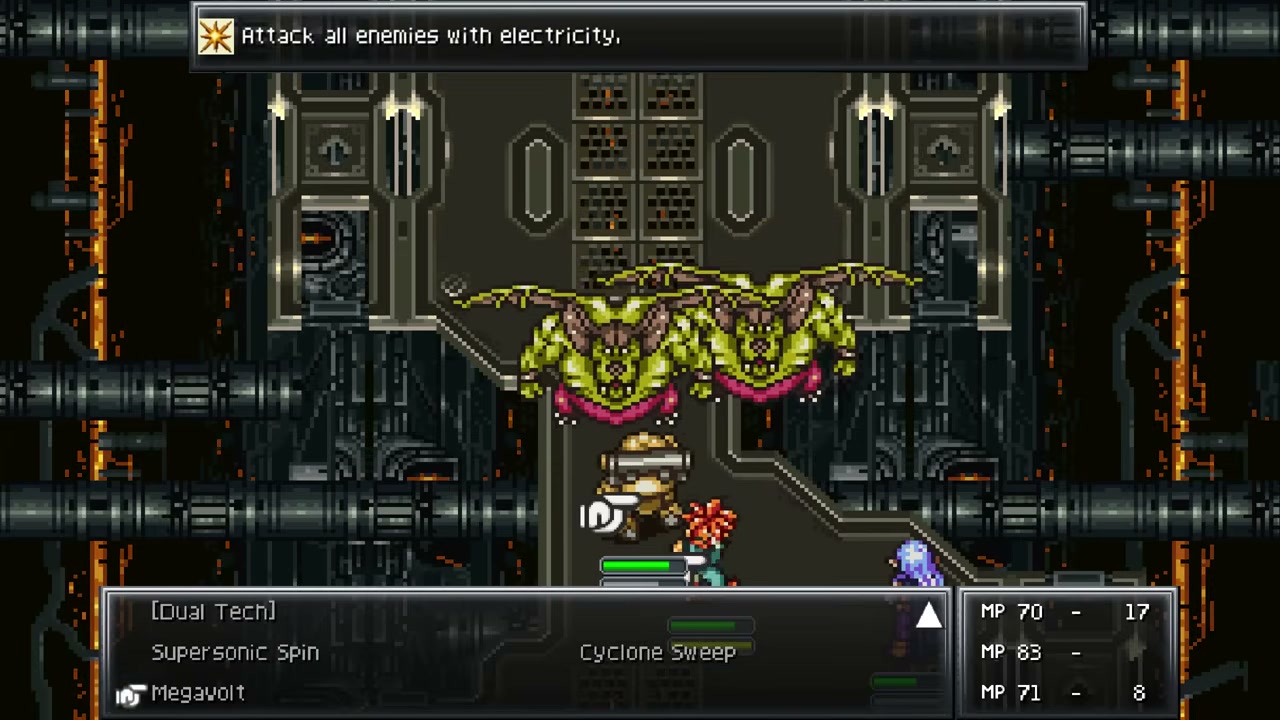
Chrono Trigger gets praised so often that the praise can turn into white noise. The video essay I pulled from argues something sharper: the main storyline is great 16-bit adventure material, but the game’s most meaningful writing is buried in content many players never see. That argument hits hard because it explains why one player shrugs and another treats this cartridge like sacred text.
The creator calls the game "perfect" even while admitting the central plot can feel straightforward on a first pass. That sounds contradictory until you zoom in on structure. Chrono Trigger avoids a lot of JRPG bloat that made the era notorious: long grind walls, menu busywork, and filler dungeons that feel like punishment. The pacing keeps moving, combat systems stay readable, and progression rarely asks you to brute-force numbers for hours. In 1995, that was already unusual. In 2026, it still feels weirdly disciplined.
Perfect Pacing, Then a Hidden Second Layer
The transcript points out several now-standard features that Chrono Trigger helped normalize: multiple endings and New Game Plus. But the real trick is how the game uses those systems to hide a second narrative layer in plain sight.
A linear playthrough gives you the broad beats: time gates, Lavos, Zeal, world-ending stakes. It works. But according to the video, roughly the last 20-30% of emotional payoff is in missable routes that require curiosity, memory, and deliberate backtracking across eras. You have to listen to NPC breadcrumbs, connect cause and effect between timelines, and choose to do the hard thing when the critical path is already available.
That design can frustrate completionists, sure. But it also does something rare: it makes your attention level part of the theme. If you coast, you get a decent time-travel epic. If you dig, you get a game about free will, identity, and whether people can rewrite themselves.
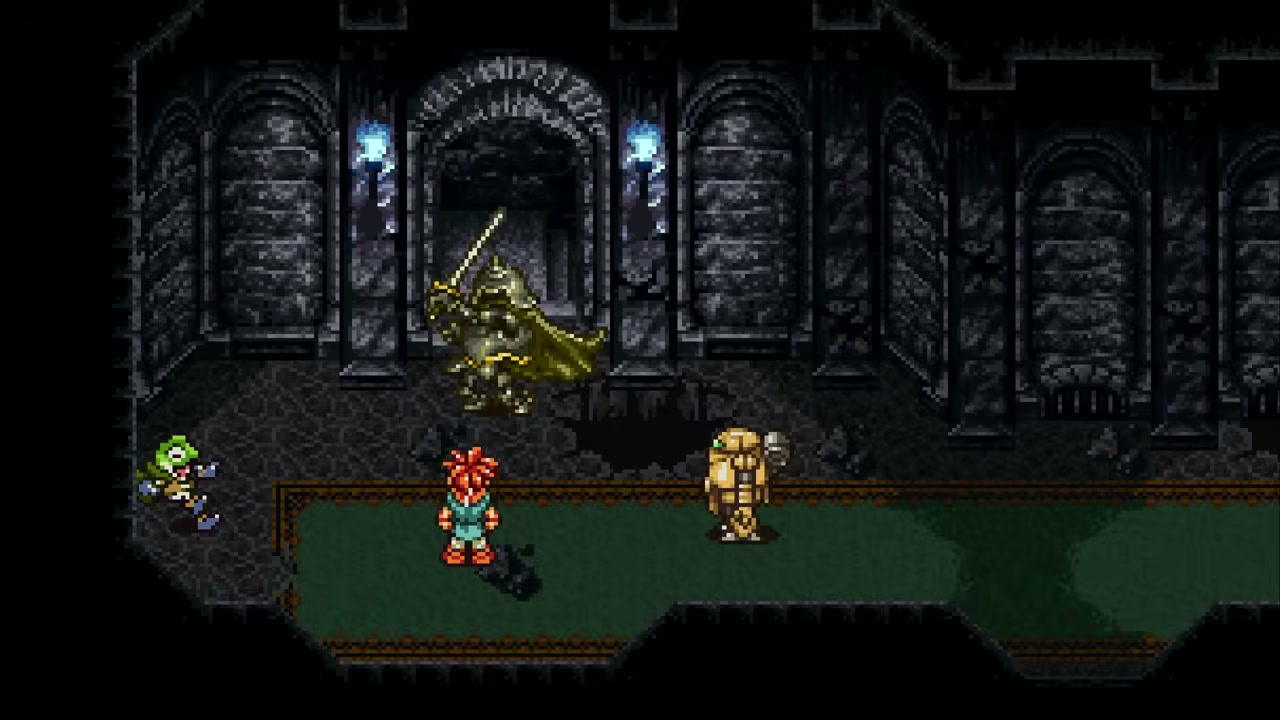
Frog, Robo, and the Identity Rewrite Machine
The strongest section in the source video is the Glenn/Frog breakdown. The core claim: the main story introduces his guilt, but the side quest is where he actually resolves it.
In the Northern Ruins thread, the point is not "hero fixes everything." The point is subtler: Glenn develops the will to confront what broke him. The transcript emphasizes that this is the real closure trigger, not mere plot cleanup. That distinction matters because it reframes Chrono Trigger from "save the world RPG" to "self-authorship RPG."
Then the essay maps the same pattern to other characters:
- Robo rejects his assigned identity (Prometheus) in favor of chosen memory and relationship.
- Magus/Janus oscillates between vengeance, grief, and one of the bleakest optional outcomes in the game.
- Marle/Nadia pushes against a socially imposed role rather than passively accepting it.
The game doesn’t always resolve those arcs in mandatory scenes. You earn those resolutions. That’s the whole thesis: optional quests are not optional emotionally. They are the narrative engine.
Zeal, Lavos, and the Game’s Big Philosophical Swing
Where the video gets deliciously nerdy is the Zeal/Lavos interpretation. The argument threads together Dreamstone, the Mammon Machine, the Black Omen, and late-game gate dialogue into one idea: Chrono Trigger repeatedly pits deterministic catastrophe against acts of will.
This is not about proving a metaphysics textbook inside a SNES ROM. It is about symbolism. Zeal represents desire without limits. Lavos represents scale and inevitability. The heroes represent stubborn refusal.
The transcript’s reading of the Black Omen is especially strong: one ruler’s obsession tears through multiple timelines, literally warping history. That image turns abstract philosophy into level geometry. You are not told fate is being contested. You walk through a structure that visually says history itself is under siege.
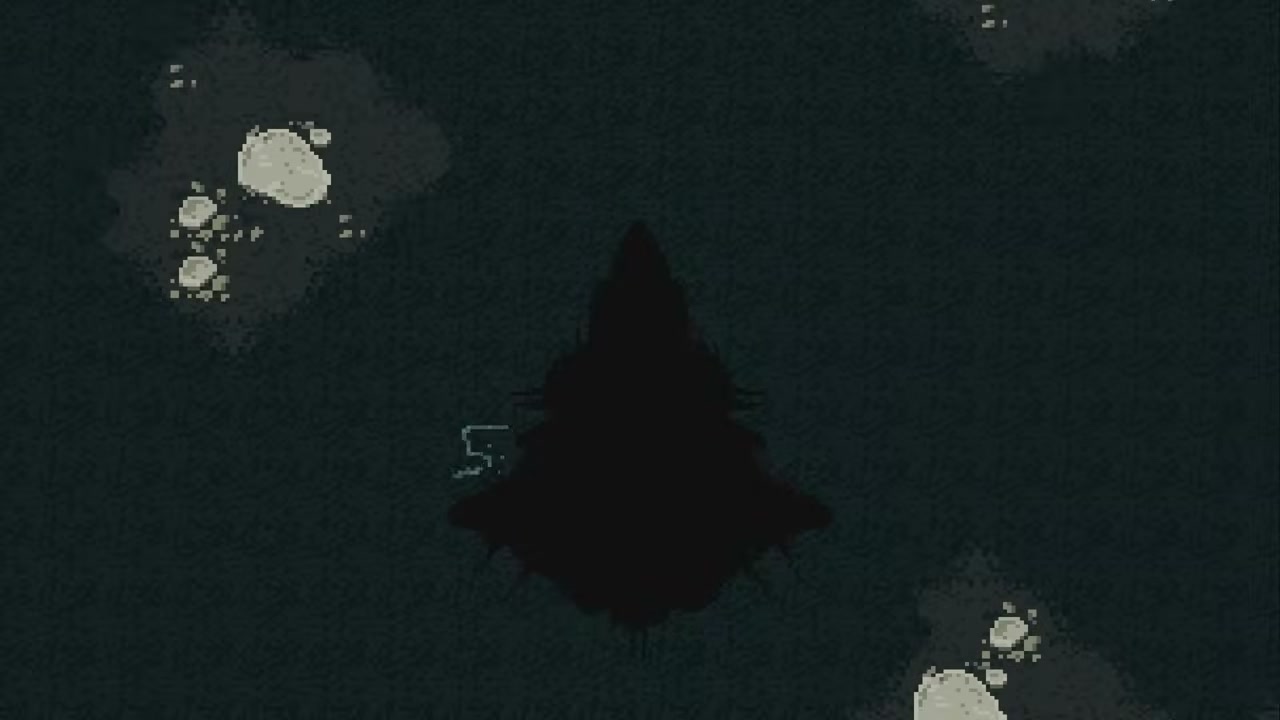
By the final act, the essay argues that Chrono Trigger’s "optional content" is basically a playable statement: the harder, less convenient routes are where meaning concentrates. That is as true for the player as it is for the cast.
So if you only saw the credits once in the 90s after a weekend rental, you got a fantastic RPG. If you chased side routes, endings, and character closures, you got something else entirely: a game that treats human choice as messy, costly, and still worth betting on.
That is why this thing refuses to age out. Not because nostalgia says so, but because its design still trusts players to do interpretive work and rewards them when they do.
Keep long RPG sessions recoverable
Chrono Trigger is exactly the kind of game where progress deserves a clean save habit. If you are revisiting SNES RPGs, start with play SNES games online, then read cloud saves for retro games and how to move retro saves between devices before a long optional-quest run.
On Rebit, use a legally owned SNES file and keep both in-game saves and manual states organized before branching into late-game side quests. Rebit does not provide ROM downloads; it gives your existing library a safer browser save workflow.